


 English
 中文简体
中文简体 Español
How to choose the best gel pen for everyday writing?
Content
- 1 Understanding Tip Size and What It Does to Your Writing
- 2 Ink Quality: Smoothness, Drying Time, and Longevity
- 3 Grip Comfort and Body Design for Extended Writing
- 4 Paper Compatibility: Why the Right Surface Changes Everything
- 5 Retractable vs. Capped: Which Mechanism Suits Daily Use?
- 6 Special Considerations: Left-Handed Writers and Pressure-Sensitive Needs
- 7 A Practical Checklist Before You Buy
- 8 Final Recommendation
For everyday writing, tip size, ink smoothness, and grip comfort are the three factors that determine whether a gel pen feels like a pleasure or a chore. A 0.5mm tip with fast-drying, low-smear ink and a rubberized grip will cover the vast majority of daily writing needs — from signing documents to taking notes. Everything else is refinement. The sections below explain each factor in depth so you can make a confident, informed decision.
Understanding Tip Size and What It Does to Your Writing
Tip size — measured in millimeters — directly controls line width, ink consumption, and how much detail you can write in a small space. Most gel pens on the market fall into three practical categories:
| Tip Size | Line Width | Best For | Ink Usage |
|---|---|---|---|
| 0.38mm | Extra fine | Compact notes, detailed annotation | Low |
| 0.5mm | Fine | General everyday use | Medium |
| 0.7mm | Medium | Signatures, bold writing, larger scripts | High |
0.5mm is the most versatile size for everyday writing — fine enough for neatly lined notebook paper, yet broad enough to write comfortably for extended periods without hand fatigue. Writers who work in small planners or on narrow-ruled paper often prefer 0.38mm, while those who write large or want a more expressive, visible line gravitate toward 0.7mm.
It is also worth noting that a smaller tip does not automatically mean more precision — the quality of the tip material matters too. Stainless steel and tungsten carbide tips maintain their shape over thousands of writing strokes, whereas lower-grade metal tips can deform slightly over time, causing irregular ink flow.
Ink Quality: Smoothness, Drying Time, and Longevity
Gel ink is water-based, which is why it flows more smoothly than traditional ballpoint oil-based ink. However, not all gel inks are created equal. The three qualities to prioritize are:
Smoothness and Flow Consistency
A high-quality gel pen should lay down ink evenly from the very first stroke without requiring warm-up scratching. Skipping — where the pen momentarily stops depositing ink mid-stroke — is one of the most common complaints about lower-grade gel pens. This usually happens when air enters the ink cartridge or when the ink viscosity is poorly calibrated. Premium gel inks use tightly controlled viscosity formulas that keep flow consistent even after the pen sits unused for several weeks.
Drying Time and Smear Resistance
Because gel ink is water-based, it can smear if the hand drags across the page before the ink fully sets. Fast-drying gel inks typically set on standard paper in under 3 seconds, which is fast enough for most right-handed writers. Left-handed writers, who often write over their own fresh lines, should specifically look for pens marketed as "quick-dry" or "smear-resistant," as these formulations use accelerated drying agents. Pigment-based gel inks also tend to dry faster and resist water better than dye-based alternatives.
Ink Volume and Refillability
For everyday writers, ink volume determines how long a single pen lasts. A standard gel pen cartridge can typically write between 300 and 500 meters of continuous line depending on tip size and ink density. Pens with higher-capacity ink reservoirs cost more upfront but often work out cheaper over time. Many well-designed gel pens also support refill cartridges, which reduce both cost and plastic waste significantly over months of regular use.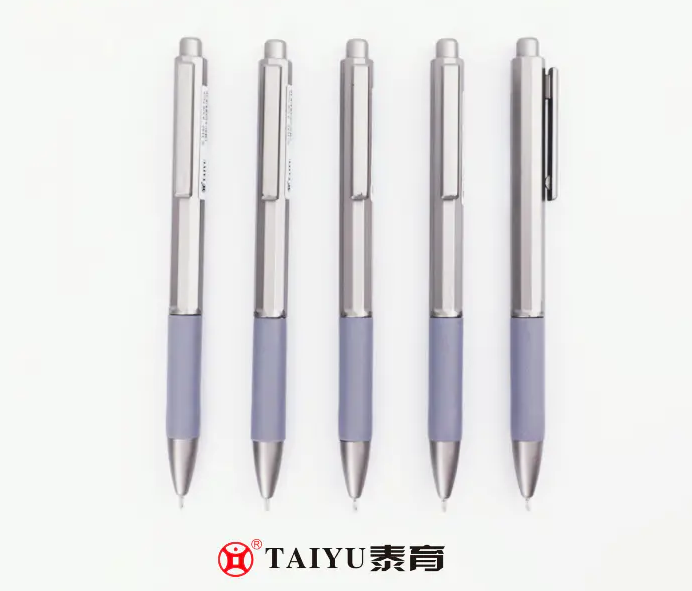
Grip Comfort and Body Design for Extended Writing
If you write for more than 20 to 30 minutes at a time, grip design becomes a serious ergonomic consideration. The grip zone — the section of the pen where your fingers meet the barrel — can be made from bare plastic, textured plastic, rubber, or silicone. Each has different implications:
- Bare plastic grips are the least comfortable over long sessions; fingers tend to slip and compensate by gripping harder, causing fatigue.
- Rubber or silicone grips absorb pressure and reduce the tendency to over-grip, which is the primary cause of writing-related hand fatigue.
- Ribbed or contoured grips guide the fingers into a natural tripod hold, which promotes efficient ink transfer and reduces lateral strain on the wrist.
Heavier pens (above 15 grams) require more muscular effort to control, which some writers find tiring. Lightweight pens in the 8–12 gram range are generally preferred for extended note-taking or journaling. However, some writers find that a slightly heavier pen encourages a lighter grip and better posture — it is worth testing both to find your preference.
Barrel diameter is another underappreciated factor. Thinner barrels (under 10mm) demand more muscular engagement in the fingers, while medium barrels between 10mm and 13mm allow a more relaxed hold. People with larger hands or those who experience joint discomfort may benefit from slightly wider barrel designs.
Paper Compatibility: Why the Right Surface Changes Everything
Gel pens interact differently with different paper types, and choosing a pen without considering your paper can lead to frustrating results — including bleed-through, feathering, or ink balling.
- Standard copy paper (75–80 gsm): Most gel pens perform adequately here, but thinner papers may show bleed-through with 0.7mm tips. A 0.5mm tip with medium-viscosity ink is a safe choice.
- Notebook paper (60–70 gsm): Lighter paper is more prone to feathering. Choose pens with low-bleed ink formulas or thinner tips to keep lines clean and legible.
- Planner or coated paper: Gel ink can sit on coated surfaces longer before absorbing, increasing the risk of smearing. Quick-dry formulas are especially important here.
- Premium or thick paper (90gsm+): Heavier, more porous paper handles almost any gel ink well, giving the smoothest and most consistent writing experience across tip sizes.
If you frequently switch between paper types, opt for a pen with medium-viscosity ink and a 0.5mm tip — this combination handles the widest range of surfaces reliably.
Retractable vs. Capped: Which Mechanism Suits Daily Use?
The choice between a retractable (click) gel pen and a capped gel pen comes down to how you use a pen throughout your day.
Retractable Gel Pens
Retractable pens are significantly more convenient for high-frequency use — in meetings, classrooms, or at a desk where you pick up and set down the pen dozens of times an hour. There is no cap to lose and no cap to accidentally leave off. The trade-off is that the retractable mechanism adds slight mechanical complexity, and if the pen is left retracted for very long periods (several months), the tip may dry slightly. In practice, for everyday active use, retractable designs are the more practical choice for most people.
Capped Gel Pens
Capped pens provide a hermetic seal that better protects the ink from drying out during extended periods of non-use. They are the preferred choice for occasional writers, artists, or those storing pens in a stationary case for weeks at a time. A capped pen left unused for two to three months will typically restart more reliably than its retractable counterpart. However, for daily writers who use a pen continuously, this advantage rarely comes into play.
Special Considerations: Left-Handed Writers and Pressure-Sensitive Needs
Left-handed writers face a unique challenge: their hand drags through freshly laid ink as they write across the page, leading to smearing and staining. The most effective solution is to choose a gel pen with a fast-drying ink that sets in under 2 seconds on standard paper. Needle-point tips (0.4mm and below) also help because they deposit less ink per stroke, reducing the amount of wet ink the hand can disturb.
Writers who press heavily on the page should avoid extra-fine tips (0.38mm), as the additional pressure can cause the tip to skate or dig into softer paper surfaces. A slightly wider tip (0.5mm–0.7mm) distributes pressure more evenly, extending the life of both the tip and the paper.
For individuals managing hand fatigue or conditions such as arthritis, a gel pen with a wide, cushioned rubber grip and a medium-weight barrel can make a meaningful difference in writing comfort over long sessions.
A Practical Checklist Before You Buy
Before committing to a gel pen for everyday use, run through these practical questions:
- What tip size suits my handwriting style? Smaller, neater handwriting → 0.38mm or 0.5mm. Larger, bolder writing → 0.5mm or 0.7mm.
- Am I left-handed or do I smear easily? If yes, prioritize quick-dry ink formulations specifically.
- How long do I write in a single sitting? Over 30 minutes daily → invest in a pen with a rubberized, ergonomic grip.
- What paper do I mostly write on? Thin or coated paper needs lower-bleed, faster-drying ink.
- Do I need the pen to last in storage? Occasional use → capped pen. Daily active use → retractable.
- Is refillability important to me? If you write heavily or care about sustainability, check whether the pen supports replacement cartridges.
Answering these six questions honestly will narrow your choices dramatically and steer you toward a gel pen that genuinely suits your daily writing life — rather than one that simply looks appealing on a shelf or in an online listing.
Final Recommendation
For the majority of everyday writers, the ideal gel pen has a 0.5mm stainless steel or tungsten carbide tip, fast-drying pigment-based ink, a rubberized ergonomic grip, and a retractable mechanism. It should be refillable if you write regularly, and it should be tested on your actual paper before committing to a multi-pack purchase. No single pen is perfect for every person — but by prioritizing tip size, ink quality, and grip comfort in that order, you will find a gel pen that makes writing noticeably easier, faster, and more enjoyable every single day.
LATEST POST
Let’s create something amazing together
contact usFeatured Products
-
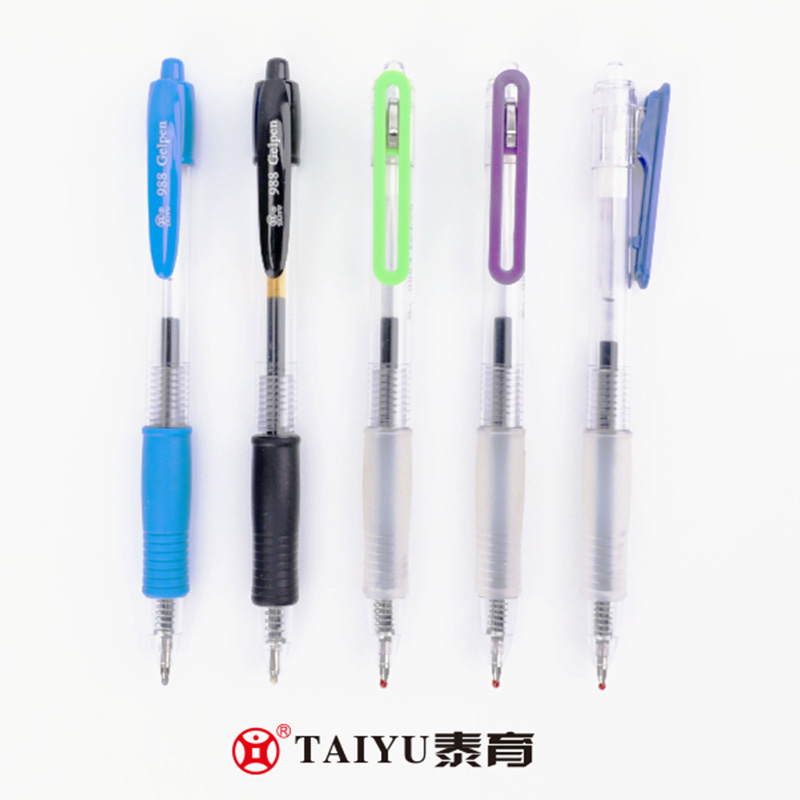
Office Use Gel Pen With Rubber And Flexible Clip Costomized Color Gel Pen 988
-
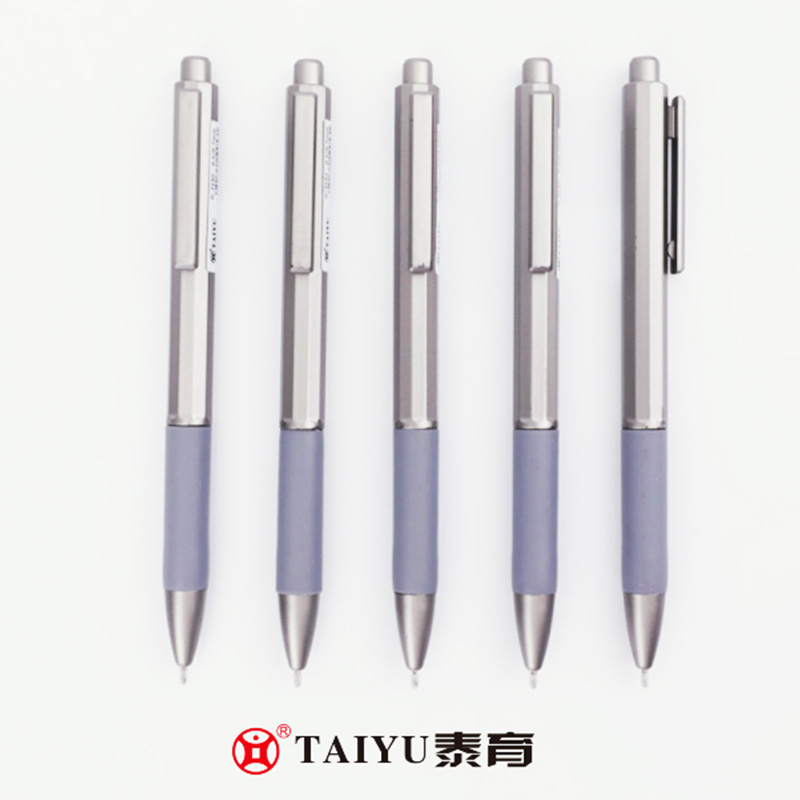
Office Use Gel Pen With Rubber Costomized Color Gel Pen 3192
-
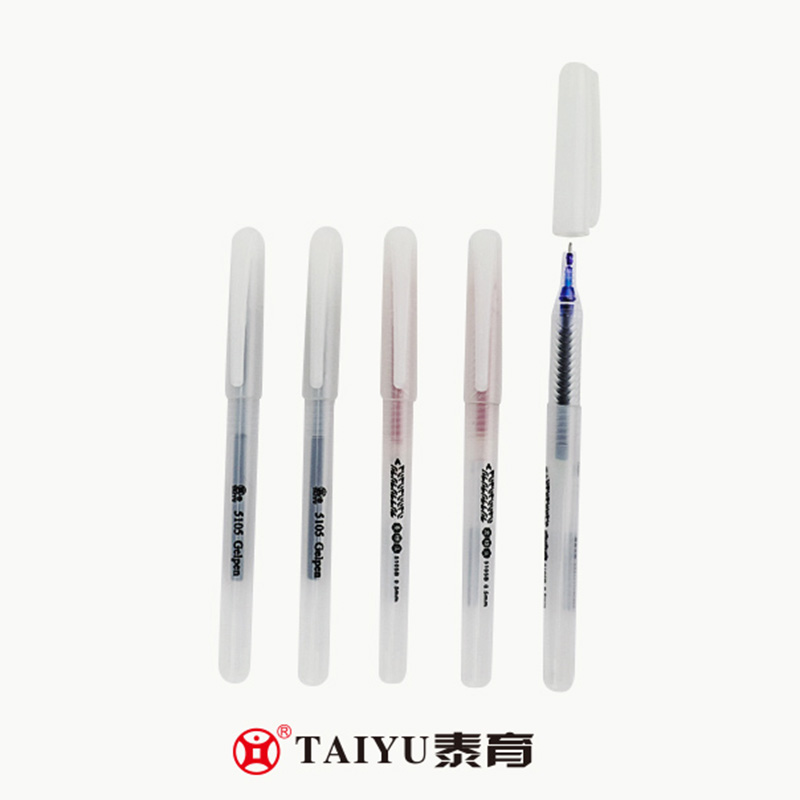
Student Use Gel Pen With Cap Costomized Color Gel Pen 5015
-
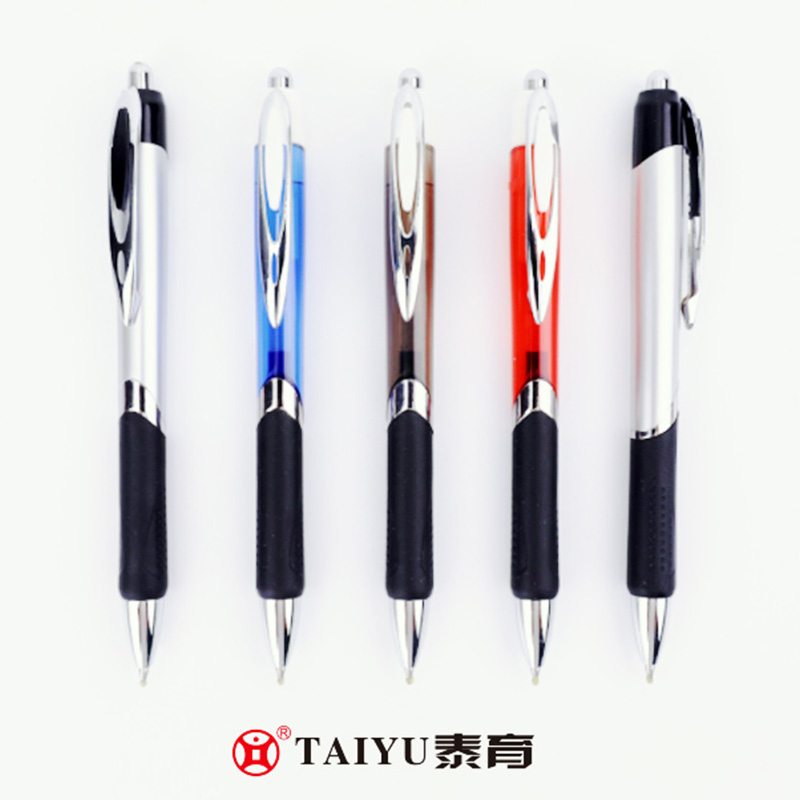
Office Use Gel Pen Designs With Grip And Write Smoothly Gel Pen 3166
-
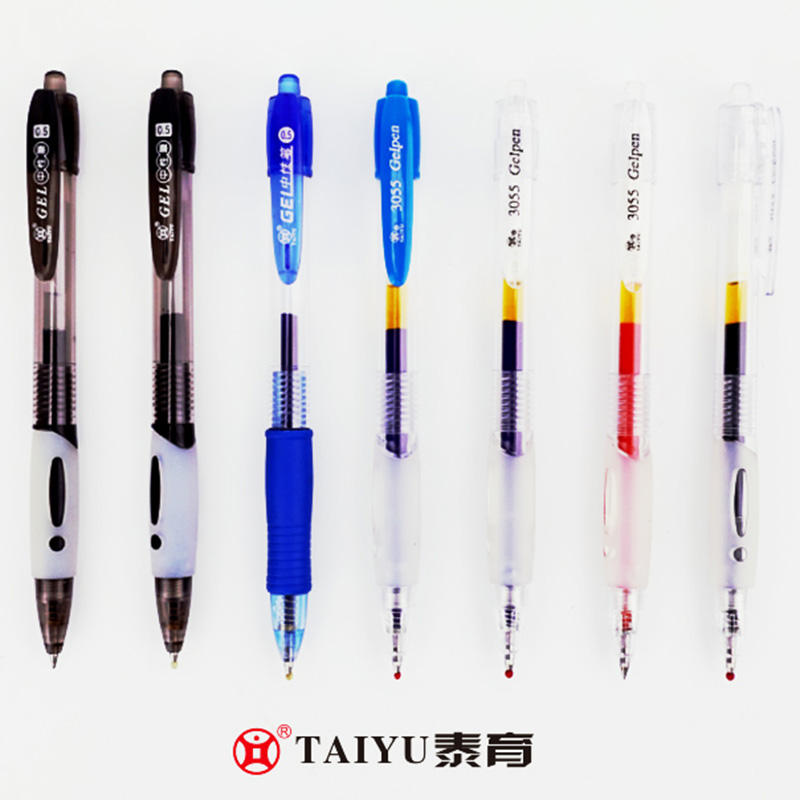
Office Use Pressing Gel Pen Simple Style Costomized Color Gel Pen 3055
-
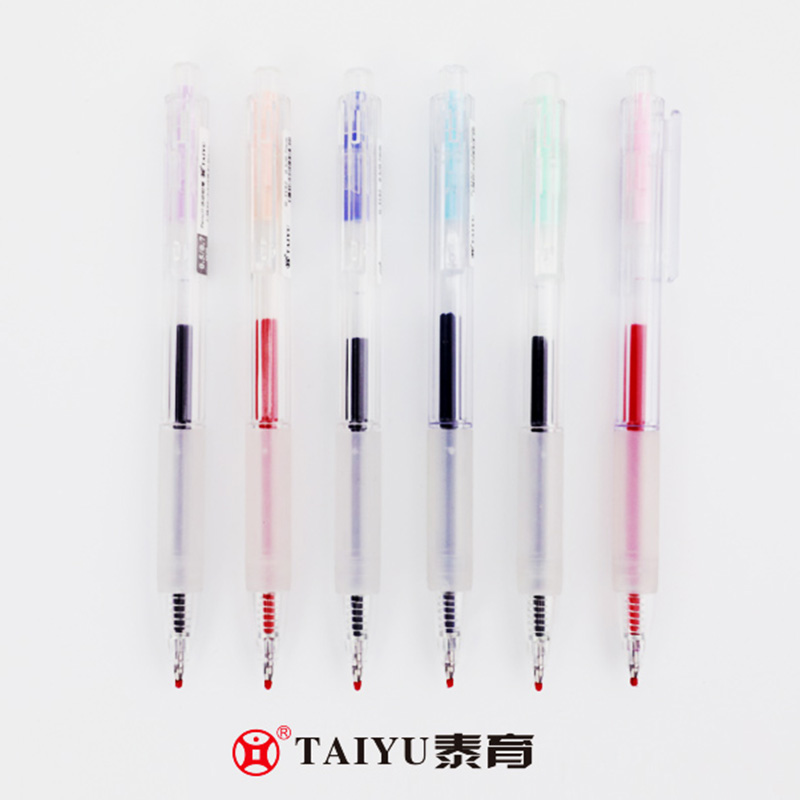
Student Use Gel Pen With Cap With Macaron Color Design Gel Pen 3192
-
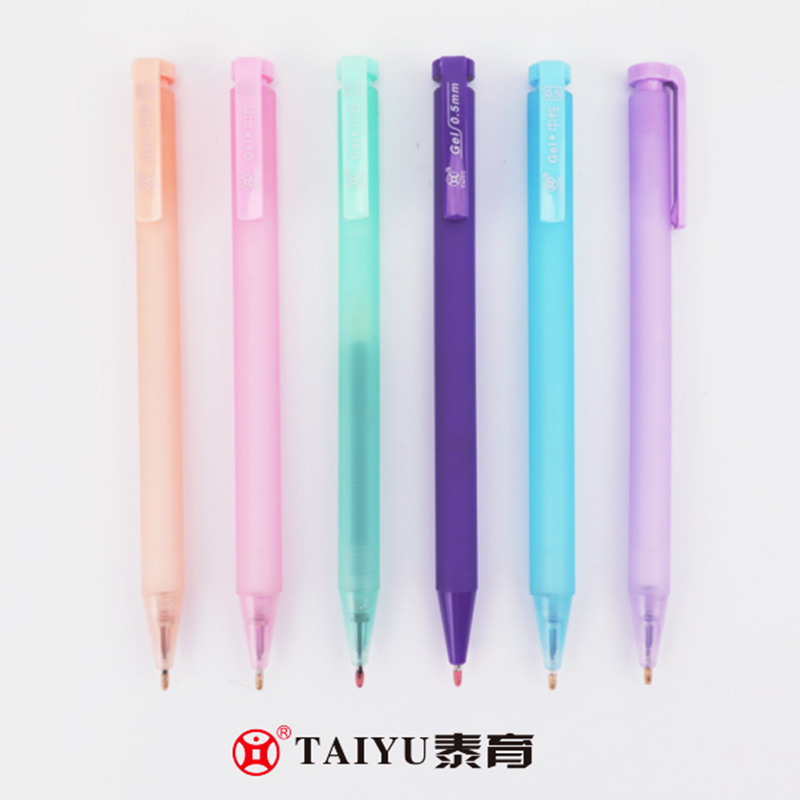
Students Use The Popular New Transparent Matte Designgel Gel Pen 3147A
-
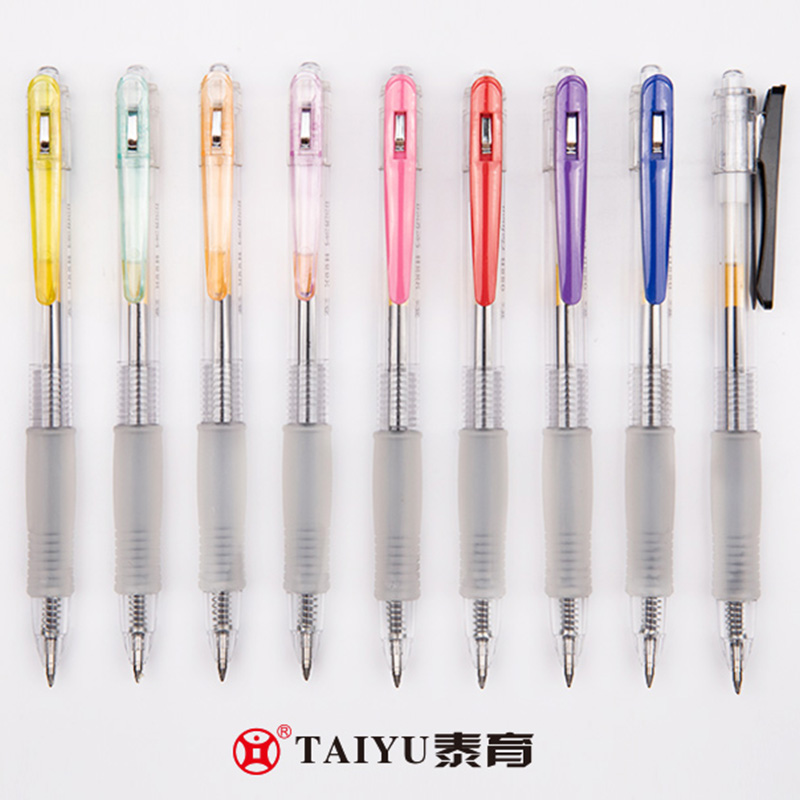
Student Use Pressing Gel Pen With Grip And Pen Holder For Comfortable Writing Gel Pen 988
-
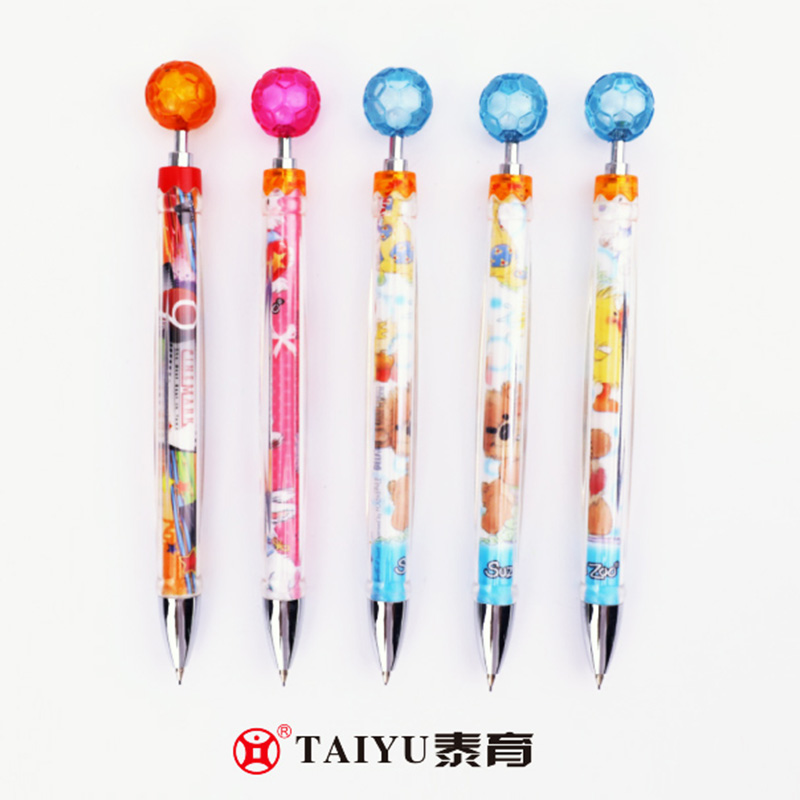
Student Use Mechanical Pencil With Cartoon Design And Colored Acrylic Pressing Head Mechanical Pencil 2140
-
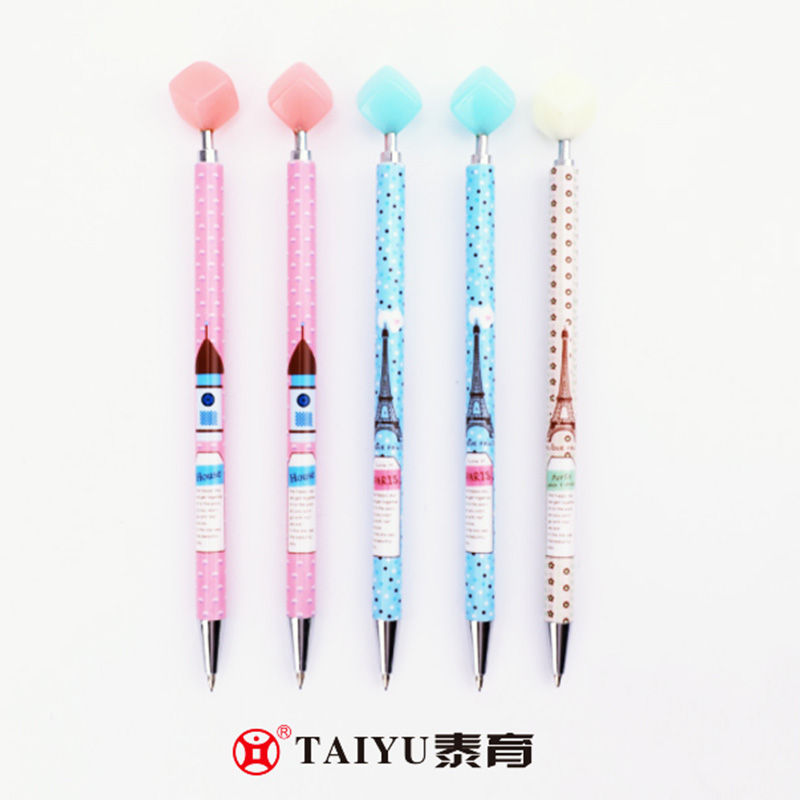
Student Use Mechanical Pencil With Popular And Selling Style Mechanical Pencil 2124
-
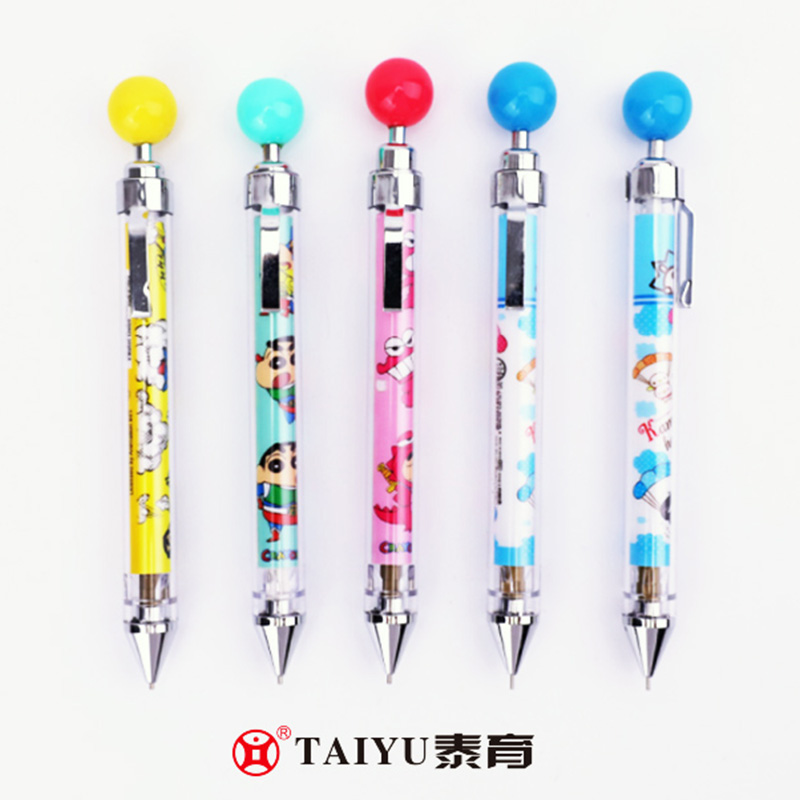
Student Use Mechanical Pencil With Metal Nib And Comfortable Writing Mechanical Pencil 2093
-
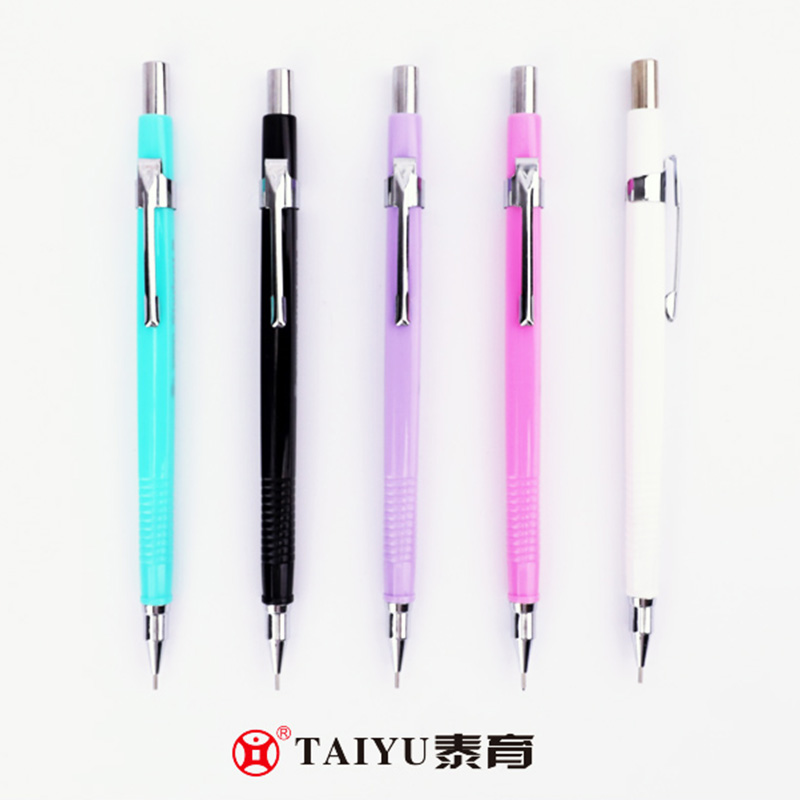
Students Use Mechanical Pencil With Metal Nib Costomized Color Mechanical Pencil 2000D

-
 +86-13056726165 (WeChat / WhatsApp)
-
 [email protected]
-
Hongkong office:RM03,24/F HoKing Comm CTR,2-16 Fayuen St,Mong Kok,HongKong,China
Tel:+852 62195386 Ningbo Factory:Guanhaiwei Industrial West Zone, Cixi, Zhejiang, China Tel:+86-0573-63630076


