


 English
 中文简体
中文简体 Español
How to use silk crayons?
Content
- 1 What Are Silk Crayons and How Do They Differ from Regular Crayons
- 2 Materials You Need Before You Start
- 3 Step-by-Step: How to Use Silk Crayons on Fabric
- 4 Best Fabrics for Silk Crayons
- 5 Creative Techniques to Try
- 6 Caring for Silk-Crayon-Decorated Fabric
- 7 Common Mistakes and How to Avoid Them
- 8 Project Ideas for Beginners and Beyond
Silk crayons are used by applying color directly onto fabric with gentle strokes, then heat-setting the pigment with an iron or dryer to make it permanent and washable. The key steps are: prep your fabric, apply color, blend if desired, and heat-fix. Whether you're decorating scarves, t-shirts, or canvas tote bags, silk crayons deliver vibrant, translucent results that work beautifully on natural fibers like silk, cotton, and linen.
What Are Silk Crayons and How Do They Differ from Regular Crayons
Silk crayons are specially formulated fabric crayons made with textile-grade pigments that bond to fabric fibers when heat is applied. Unlike wax crayons for paper, silk crayons:
- Contain dyes or pigments that penetrate fabric rather than sitting on the surface
- Require heat activation to become wash-resistant
- Produce translucent, watercolor-like effects rather than opaque marks
- Can be blended while wet or dry for seamless color gradients
They work best on natural or semi-natural fabrics—silk, cotton, linen, and rayon—because plant and animal fibers absorb the dye molecules more readily than synthetics like polyester.
Materials You Need Before You Start
Gathering everything in advance makes the process smooth and mess-free.
| Item | Purpose | Notes |
|---|---|---|
| Silk crayons | Applying color | Start with a basic 8–12 color set |
| Natural-fiber fabric | Receiving the dye | Pre-washed, light or white tones work best |
| Cardboard or foam board | Work surface inside garments | Prevents bleed-through to back layers |
| Iron or heat press | Heat-setting the pigment | Medium-high heat, no steam |
| Parchment or pressing cloth | Protects iron from wax residue | Always place between iron and fabric |
| Masking tape or stencils | Creating clean edges | Optional for geometric designs |
Step-by-Step: How to Use Silk Crayons on Fabric
Step 1 — Prepare Your Fabric
Wash and dry your fabric before starting to remove any sizing or finishes that could block dye absorption. Iron out wrinkles so you have a smooth, flat surface. Lay the fabric on a firm, heat-resistant work surface, and slip a piece of cardboard inside garments to prevent color from bleeding through.
Step 2 — Sketch Your Design (Optional)
Lightly sketch your design with a water-soluble fabric pen if you want a guide. You can also place a printed template underneath a thin or semi-sheer fabric and trace over it—the design will show through enough to follow.
Step 3 — Apply Color
Draw directly onto the fabric with the silk crayon using light, even pressure. Keep in mind:
- Light pressure creates soft, translucent washes of color
- Firm pressure deposits more pigment for deeper, more saturated tones
- Layering colors while they are still "fresh" makes blending easier
- Work from light colors to dark to avoid muddying your palette
Step 4 — Blend Colors
Silk crayons blend easily. You can blend by:
- Finger blending: rub gently with a fingertip at the meeting point of two colors
- Dry brush: use a soft paintbrush to stroke across the boundary
- Layering strokes: overlap colors in short cross-hatching motions
This technique is especially effective for sky gradients, floral petals, or abstract backgrounds.
Step 5 — Heat-Set the Design
Heat-setting is the most critical step to make your design permanent. Without it, colors will wash out. Here is how to do it correctly:
- Allow the fabric to rest flat for at least 10 minutes after coloring
- Place a sheet of parchment paper or a pressing cloth over the design
- Set your iron to medium-high heat with no steam
- Press firmly for 30–45 seconds per section, moving the iron slowly
- Lift the parchment and check—colors should appear brighter and more fixed
- Repeat from the reverse side of the fabric for deeper penetration
After heat-setting, wait at least 24 hours before the first wash.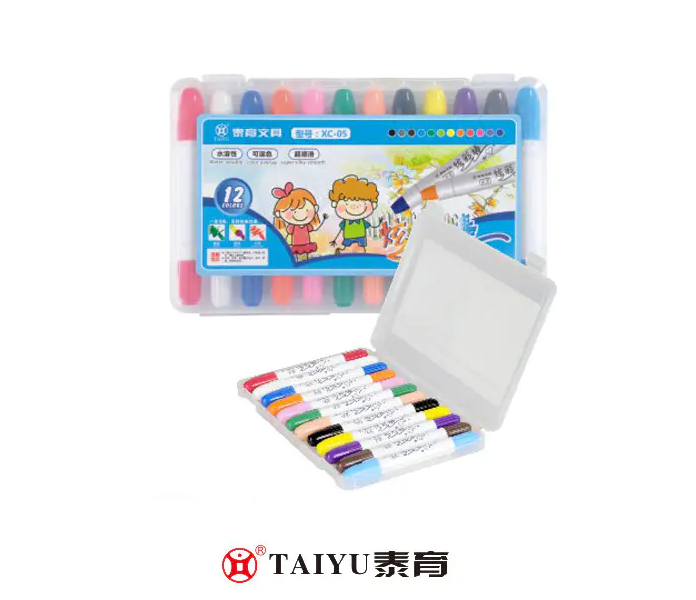
Best Fabrics for Silk Crayons
The fiber content of your fabric dramatically affects the final result. Natural fibers absorb dye most readily.
- Silk: The richest results—colors appear luminous and deeply saturated. Ideal for scarves and decorative pieces.
- Cotton: Absorbs color well; slightly more matte finish than silk. Great for t-shirts and tote bags.
- Linen: Textured surface adds an artistic, handmade quality. Works well for home décor items.
- Rayon/Viscose: Good dye uptake; soft drape makes it suitable for wearable art.
- Polyester (avoid): Poor pigment absorption; colors appear faded even after heat-setting.
For best color intensity, choose white or very pale fabrics. Darker base colors will absorb and mask the translucent crayon pigments.
Creative Techniques to Try
Resist Techniques
Apply rubber cement or masking tape to sections of your fabric before coloring. Once the crayon pigment is applied and heat-set, remove the resist to reveal crisp, uncolored shapes beneath.
Texture Rubbings
Place textured objects—leaves, lace, coins, or corrugated cardboard—underneath the fabric and rub the crayon over the top. The texture transfers through the fabric, creating detailed relief patterns with almost no drawing skill required.
Layered Washes
Apply a first layer of color, heat-set, and then add a second layer on top. Because the heat-set pigment is now fixed, you can build up translucent layers without the colors mixing into mud—similar to watercolor glazing.
Stenciling
Cut stencil shapes from acetate or card stock, hold them flat against the fabric, and color within the openings. This method produces clean, repeatable motifs—useful for borders, geometric patterns, or lettering.
Wet-on-Wet Spreading
Lightly dampen the fabric before applying the crayon. The pigment spreads and bleeds in unpredictable ways, creating soft watercolor-like blooms that are especially beautiful for floral or abstract backgrounds.
Caring for Silk-Crayon-Decorated Fabric
Proper care extends the life of your designs significantly.
- First wash: Wait 24–48 hours after heat-setting, then wash in cool water on a gentle cycle
- Detergent: Use a mild, color-safe detergent without bleach or optical brighteners
- Drying: Air-dry or tumble-dry on low; high heat can cause slight color migration over time
- Ironing: Always iron from the reverse side or place a pressing cloth over the design
- Storage: Store folded garments away from prolonged direct sunlight to prevent gradual fading
When properly heat-set and cared for, silk crayon designs can remain vibrant through 30 or more wash cycles without significant color loss.
Common Mistakes and How to Avoid Them
| Mistake | Why It Happens | How to Avoid It |
|---|---|---|
| Colors wash out | Insufficient heat-setting time | Press 30–45 sec per section, both sides |
| Wax residue on iron | No pressing cloth used | Always use parchment or pressing cloth |
| Color bleeds through to back | No barrier inside garment | Insert cardboard between fabric layers |
| Muddy blended colors | Blending darks into lights | Always work light colors first, then add darks |
| Dull, pale results | Dark or synthetic fabric used | Use white or light-toned natural fiber fabric |
Project Ideas for Beginners and Beyond
Silk crayons are versatile enough for quick beginner projects and ambitious artistic work alike.
Beginner-Friendly Projects
- Plain cotton tote bags with simple flower or leaf designs
- Cotton handkerchiefs with corner motifs
- Fabric bookmarks cut from cotton muslin
Intermediate Projects
- Silk scarves with ombré or botanical illustrations
- Customized linen cushion covers
- Hand-decorated children's clothing using texture rubbings
Advanced Projects
- Layered multi-color wearable art pieces combining resist and wet-on-wet techniques
- Landscape or portrait compositions on large cotton canvas
- Patchwork art quilts where each panel uses a different blending technique
LATEST POST
Let’s create something amazing together
contact usFeatured Products
-
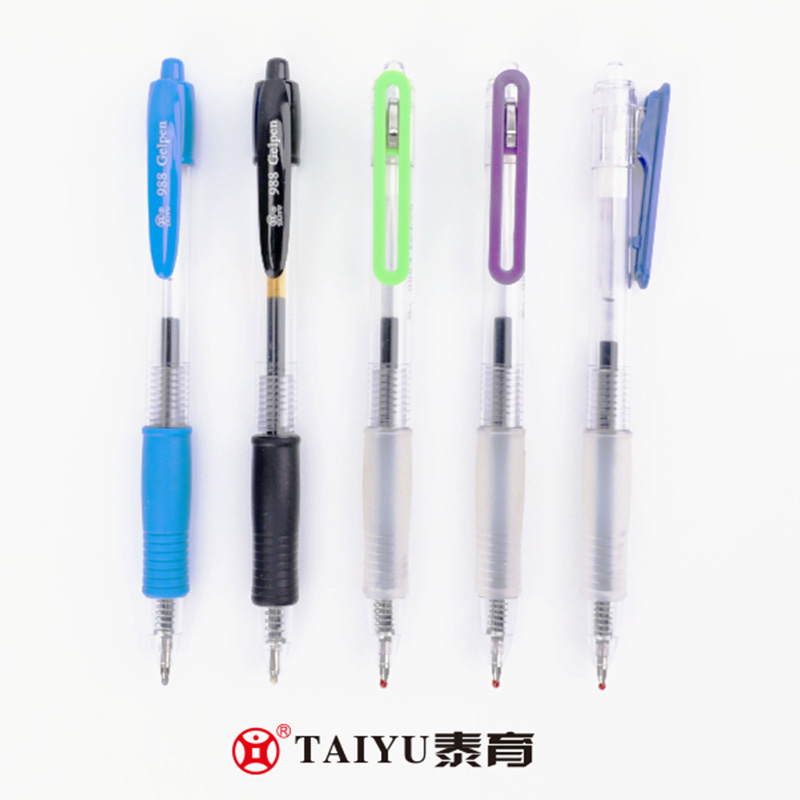
Office Use Gel Pen With Rubber And Flexible Clip Costomized Color Gel Pen 988
-
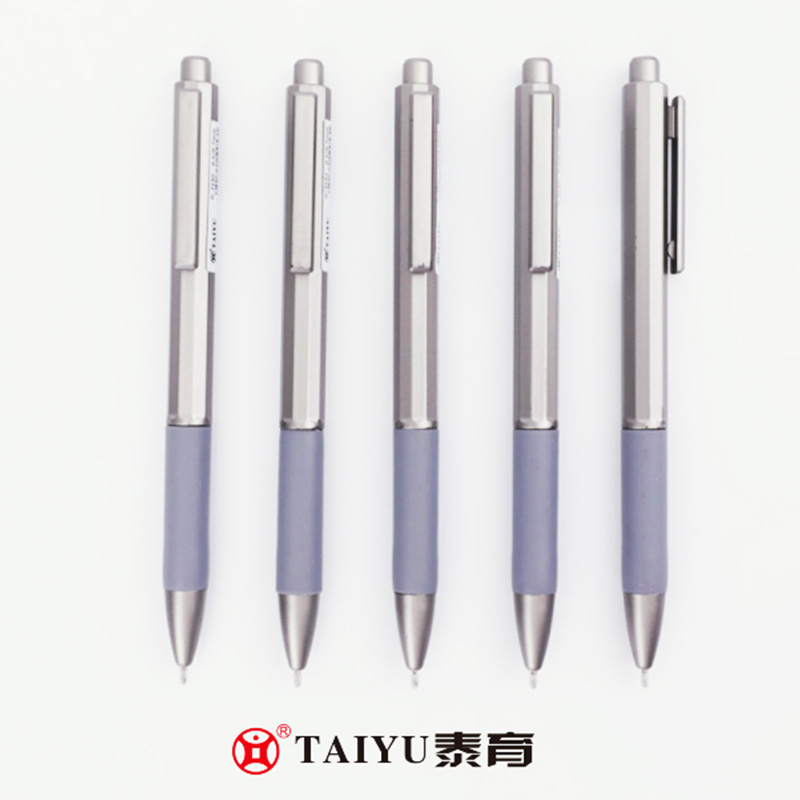
Office Use Gel Pen With Rubber Costomized Color Gel Pen 3192
-
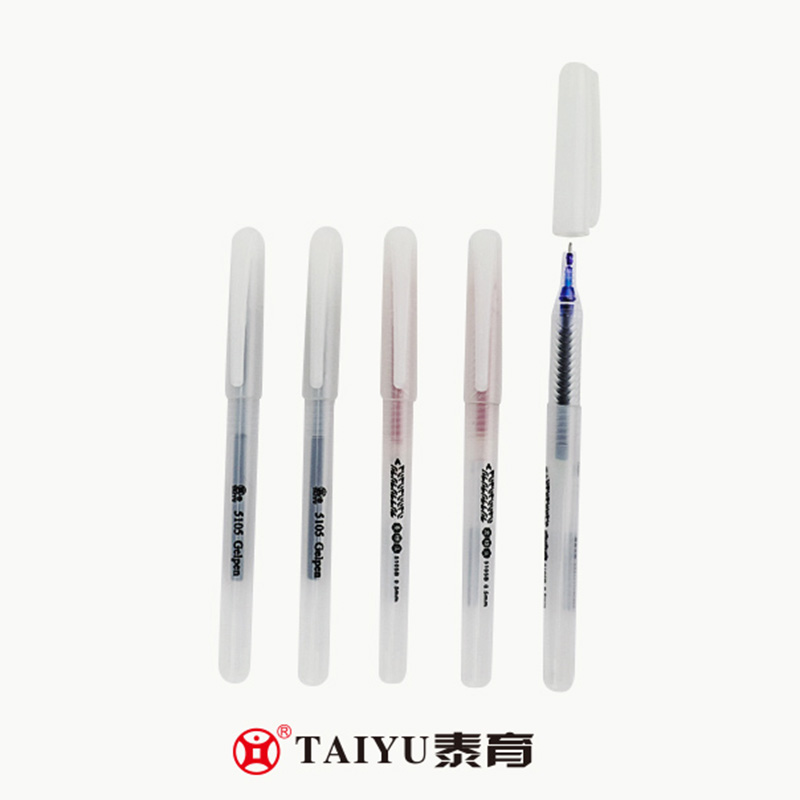
Student Use Gel Pen With Cap Costomized Color Gel Pen 5015
-
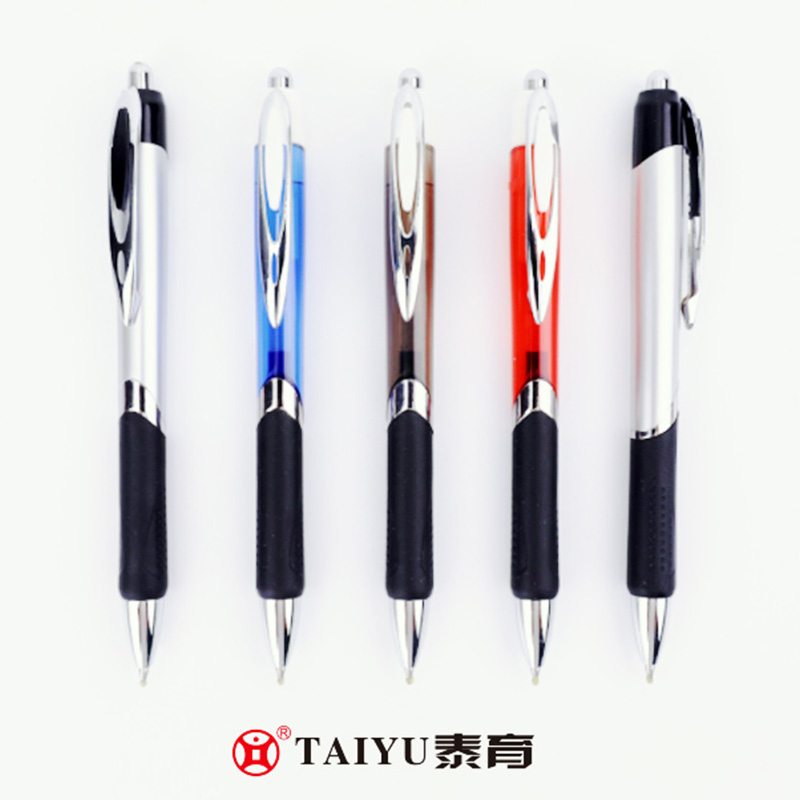
Office Use Gel Pen Designs With Grip And Write Smoothly Gel Pen 3166
-
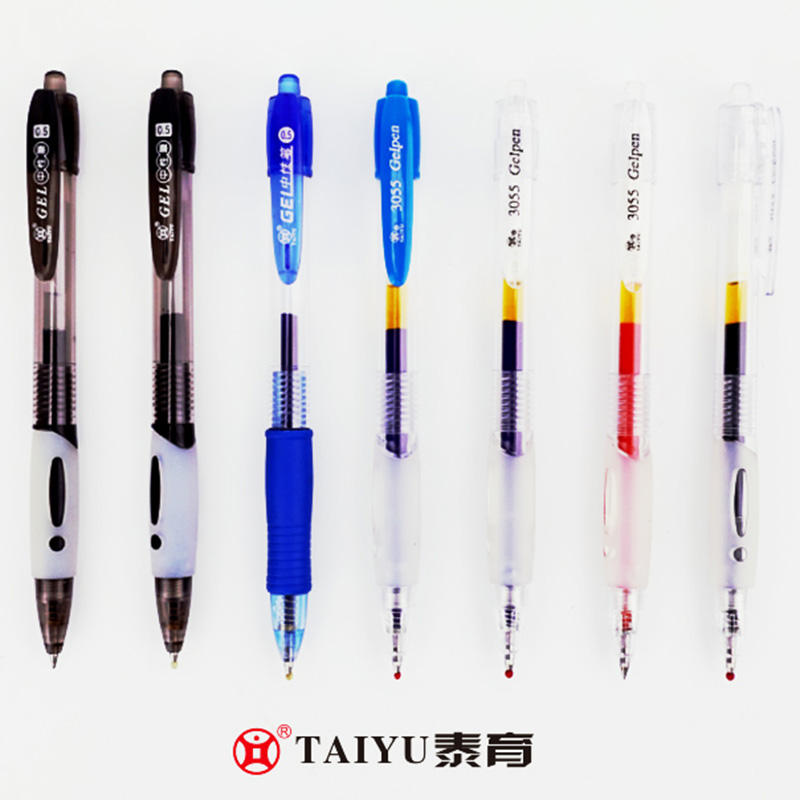
Office Use Pressing Gel Pen Simple Style Costomized Color Gel Pen 3055
-
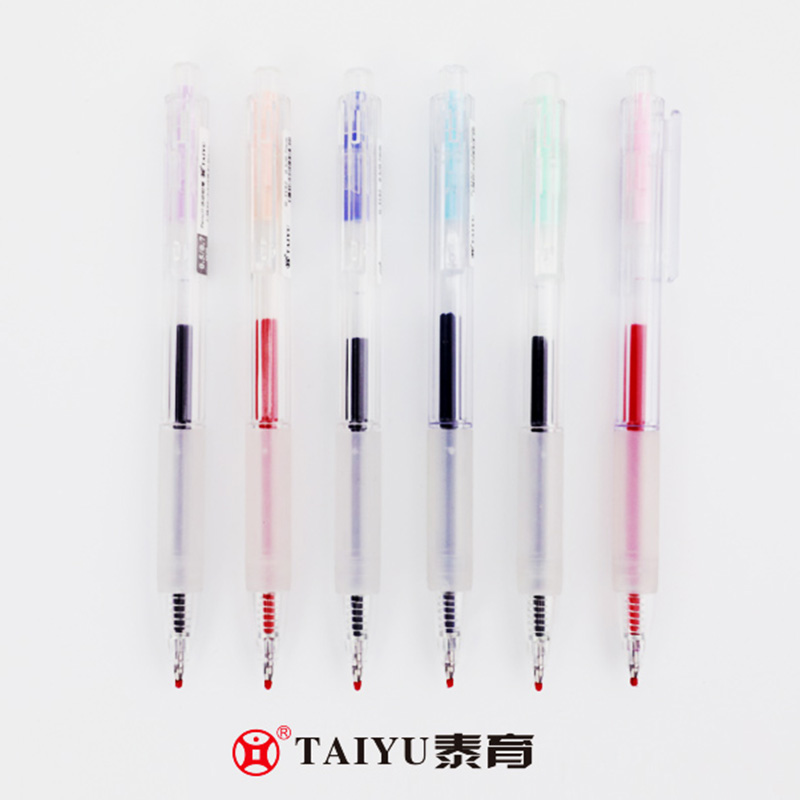
Student Use Gel Pen With Cap With Macaron Color Design Gel Pen 3192
-
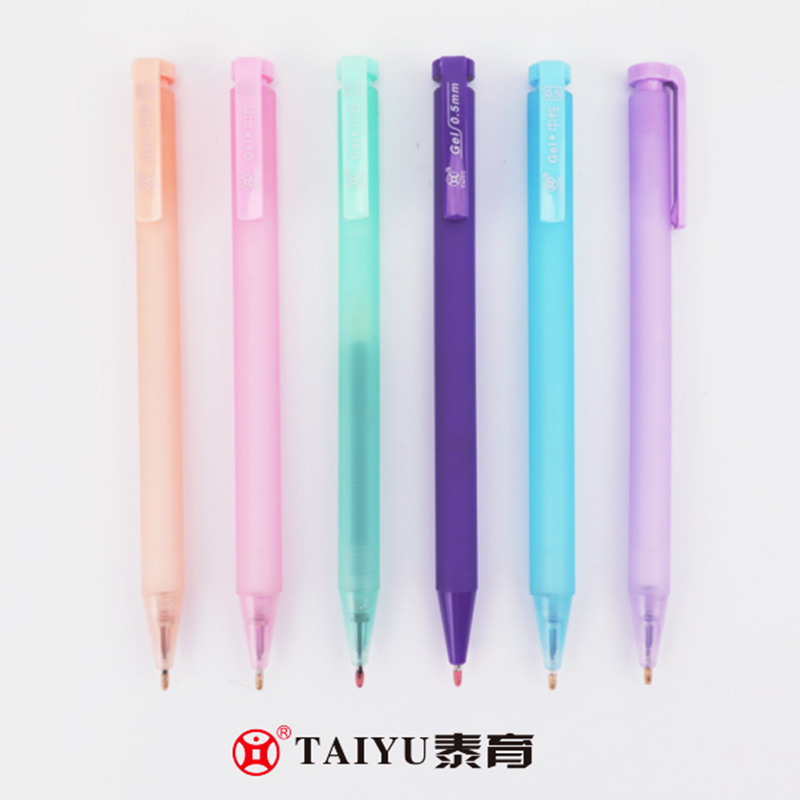
Students Use The Popular New Transparent Matte Designgel Gel Pen 3147A
-
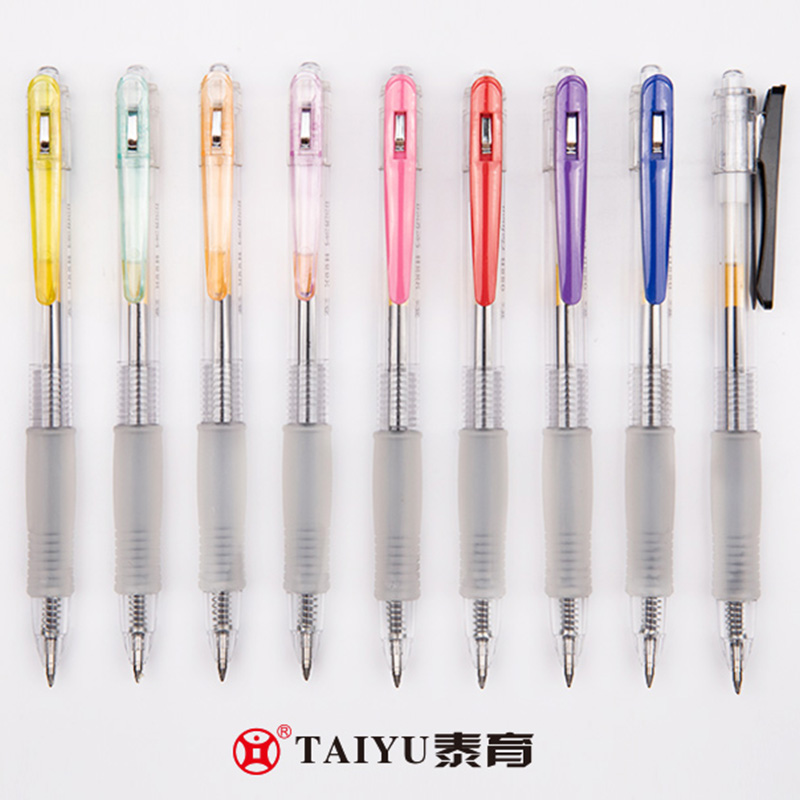
Student Use Pressing Gel Pen With Grip And Pen Holder For Comfortable Writing Gel Pen 988
-
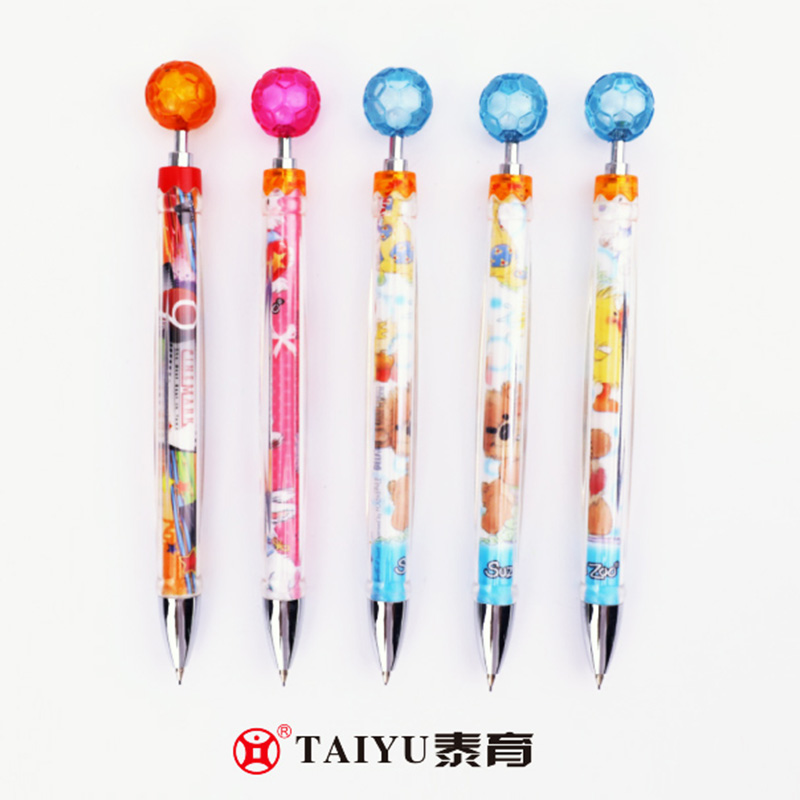
Student Use Mechanical Pencil With Cartoon Design And Colored Acrylic Pressing Head Mechanical Pencil 2140
-
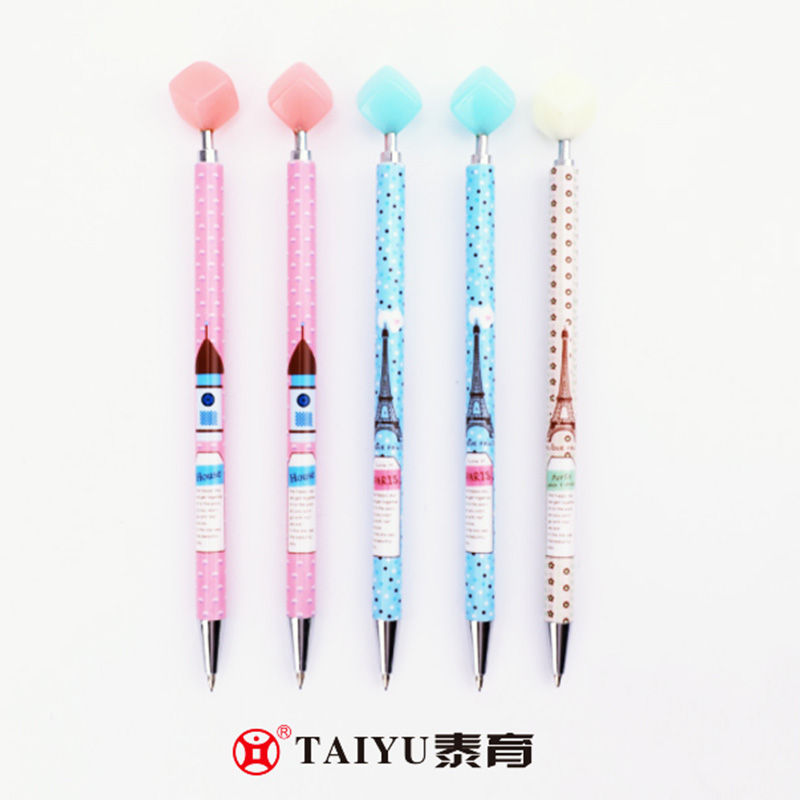
Student Use Mechanical Pencil With Popular And Selling Style Mechanical Pencil 2124
-
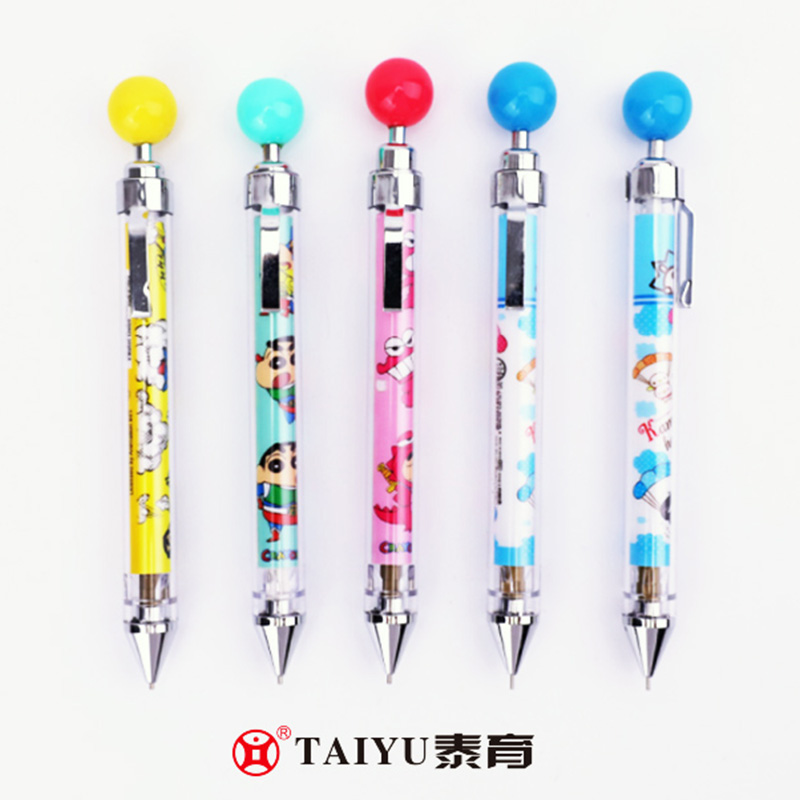
Student Use Mechanical Pencil With Metal Nib And Comfortable Writing Mechanical Pencil 2093
-
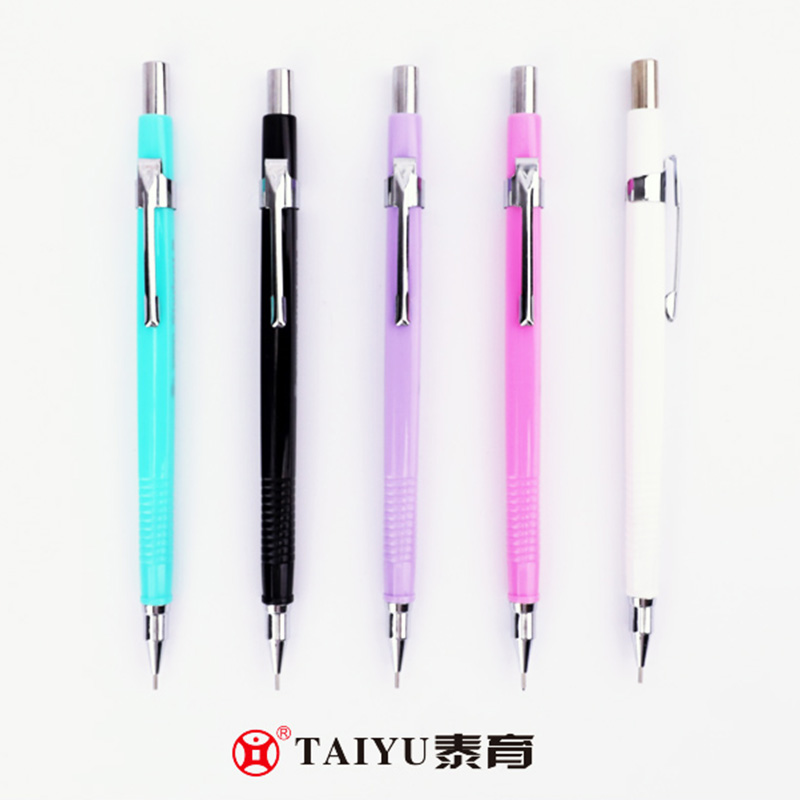
Students Use Mechanical Pencil With Metal Nib Costomized Color Mechanical Pencil 2000D

-
 +86-13056726165 (WeChat / WhatsApp)
-
 [email protected]
-
Hongkong office:RM03,24/F HoKing Comm CTR,2-16 Fayuen St,Mong Kok,HongKong,China
Tel:+852 62195386 Ningbo Factory:Guanhaiwei Industrial West Zone, Cixi, Zhejiang, China Tel:+86-0573-63630076


