


 English
 中文简体
中文简体 Español
What are the uses of highlighters?
Content
- 1 1. Highlighting Key Points: The Core Function of Visual Guidance
- 2 2. Enhancing Memory: Visual Stimulation and Brain Feedback
- 3 3. Improves Work Efficiency: A Logical Tool for Professionals
- 4 4. Creativity and Journaling: A Visual Icon in the Creative Industry
- 5 How to Choose a High-Quality Highlighter?
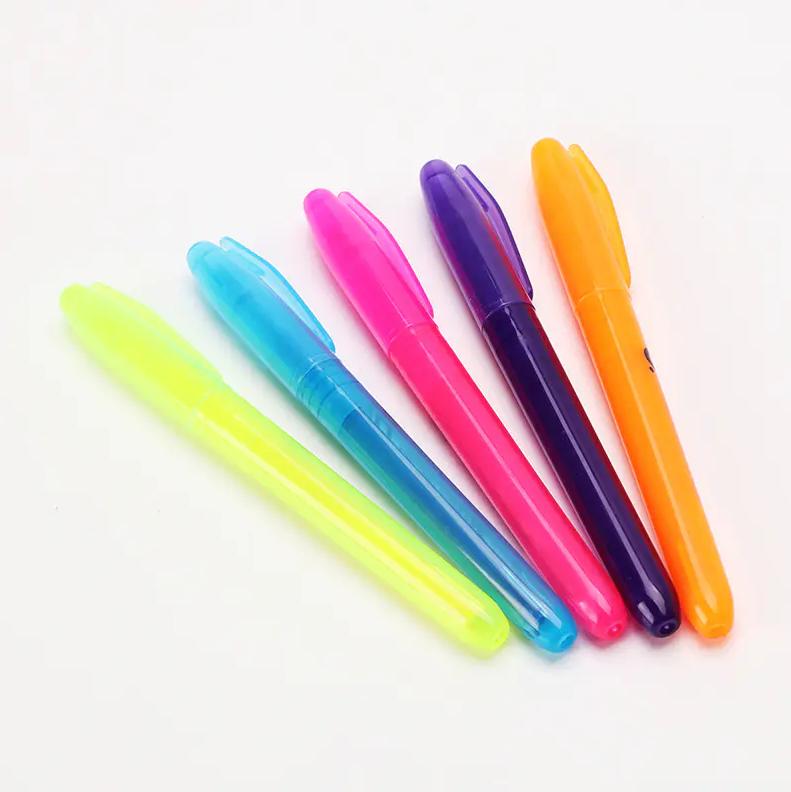
In busy office settings or high-intensity study environments, we often see brightly colored pens. A staple in pencil cases, Highlighters are no longer just simple coloring tools; they are highly efficient information processing tools.
1. Highlighting Key Points: The Core Function of Visual Guidance
The most direct function of Highlighters is to create a strong visual contrast on paper through highly saturated transparent ink.
- Quickly Locating Information: In dense text, using highlighters to mark key terms, core data, or conclusions allows you to instantly locate the target when reviewing.
- Hierarchical Differentiation: Experienced learners often use multiple colored highlighters. For example, yellow for definitions, pink for common mistakes, and green for formulas. This "color coding" significantly improves the brain's speed in classifying and processing information.
2. Enhancing Memory: Visual Stimulation and Brain Feedback
- Stimulates Visual Memory: Compared to pure black and white text, content marked with color is more easily formed into "visual" memories in the brain.
- A Byproduct of Active Thinking: When you pick up a highlighter to decide where to write, you've already gone through a process of information filtering and logical processing. This active learning is far more effective than passive reading.
3. Improves Work Efficiency: A Logical Tool for Professionals
- To-Do List Verification: Many people are accustomed to crossing off tasks with a highlighter after completing them. This "crossing off" action not only clearly shows progress but also brings a sense of accomplishment.
- Contract and Form Review: When reviewing lengthy contract terms or reports, using a highlighter to mark amounts and dates that need modification or special attention can effectively prevent omissions.
4. Creativity and Journaling: A Visual Icon in the Creative Industry
With the rise of journaling culture, the types of Highlighters have become increasingly diverse, evolving from traditional bright colors to Morandi colors, soft light colors, and more.
- Journal Decoration: Soft-toned highlighters are widely used for journal borders, background rendering, and artistic lettering, adding beauty to recording life.
- Notebook Enhancement: A visually appealing notebook not only increases the desire to review but also enhances motivation for learning by sharing on social media.
How to Choose a High-Quality Highlighter?
- Ink Flow Evenness: A high-quality highlighter tip won't snag on the paper, and the ink will flow smoothly without seeping to the back of the paper.
- Quick-Drying Performance: Prevents freshly applied color from smudging your hands or staining the page.
- Color Saturation: For studying, choose bright colors; for journaling, choose gentle, eye-friendly colors.
Highlighters are more than just "coloring"; they integrate information filtering, logical organization, memory enhancement, and aesthetic creation. Whether you're a student preparing for exams or a high-achieving professional, using a Highlighter effectively can make your work and studies more efficient.
Friendly reminder: When using highlighters, avoid pressing too hard. If the entire page is covered in colored markers, it's as if there are no important points.
LATEST POST
Let’s create something amazing together
contact usFeatured Products
-
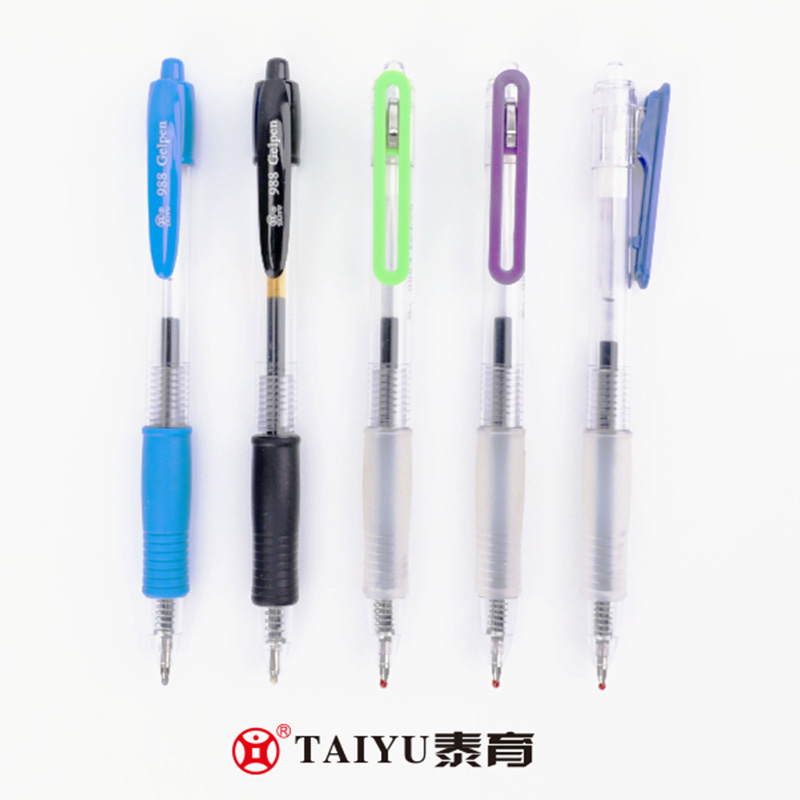
Office Use Gel Pen With Rubber And Flexible Clip Costomized Color Gel Pen 988
-
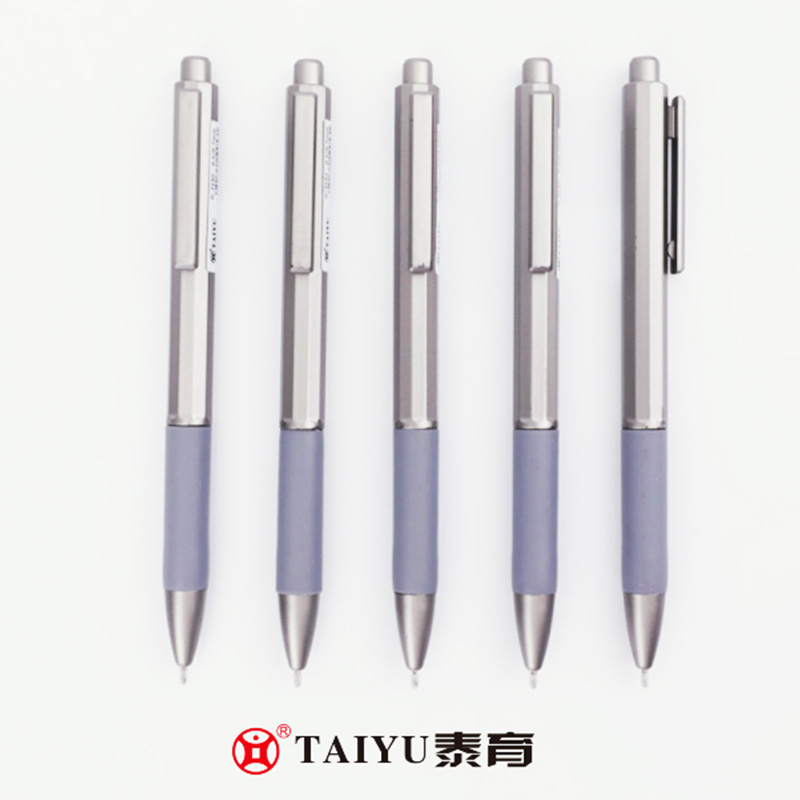
Office Use Gel Pen With Rubber Costomized Color Gel Pen 3192
-
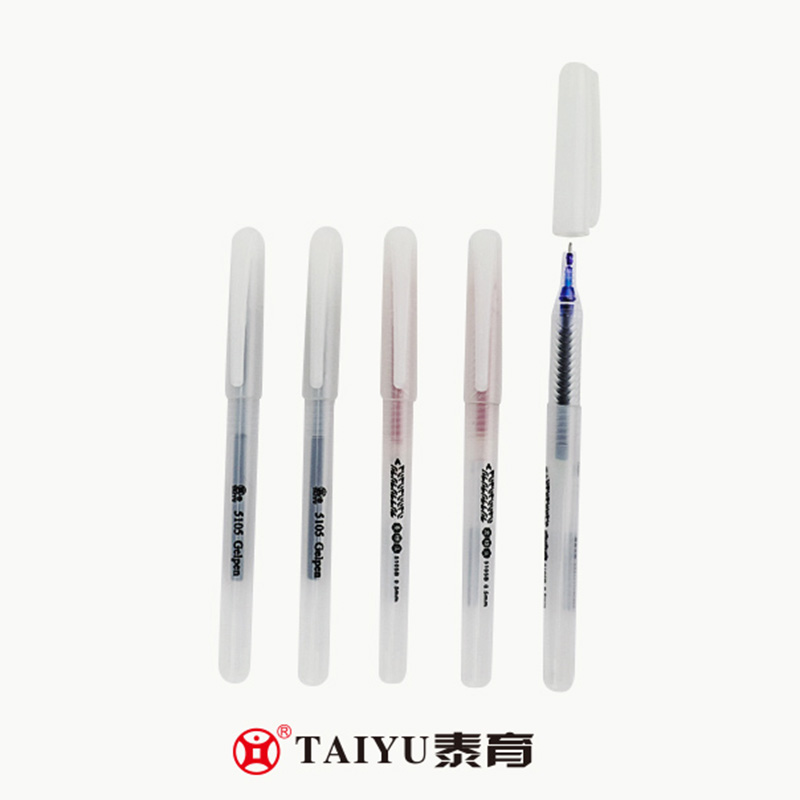
Student Use Gel Pen With Cap Costomized Color Gel Pen 5015
-
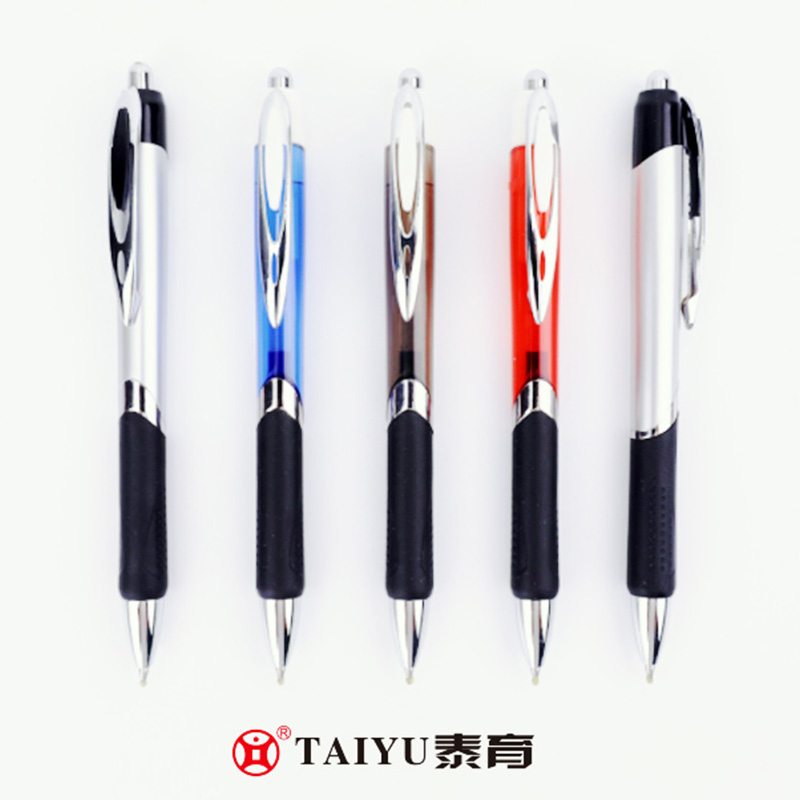
Office Use Gel Pen Designs With Grip And Write Smoothly Gel Pen 3166
-
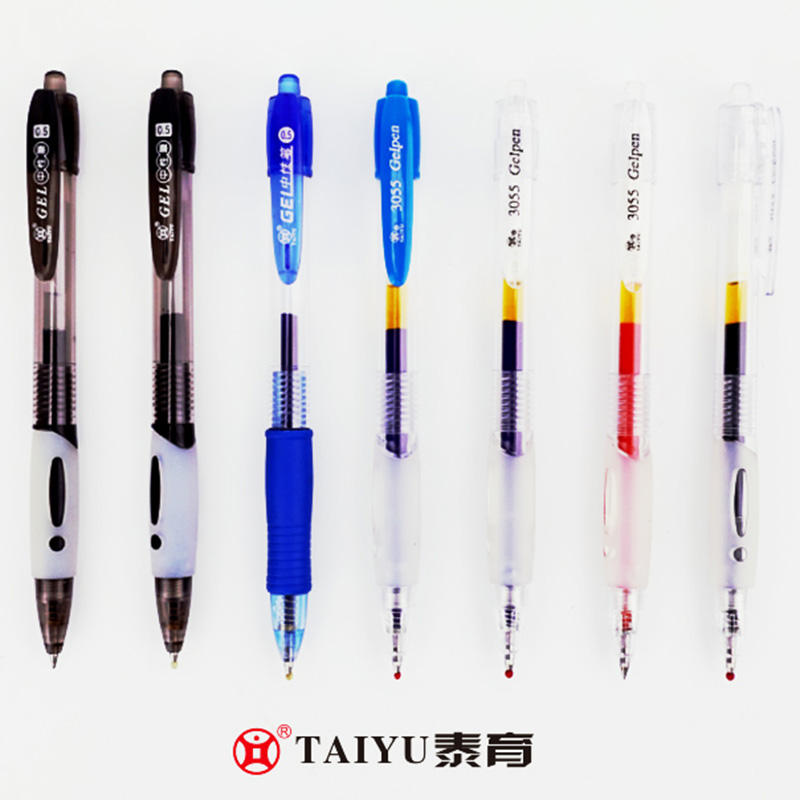
Office Use Pressing Gel Pen Simple Style Costomized Color Gel Pen 3055
-
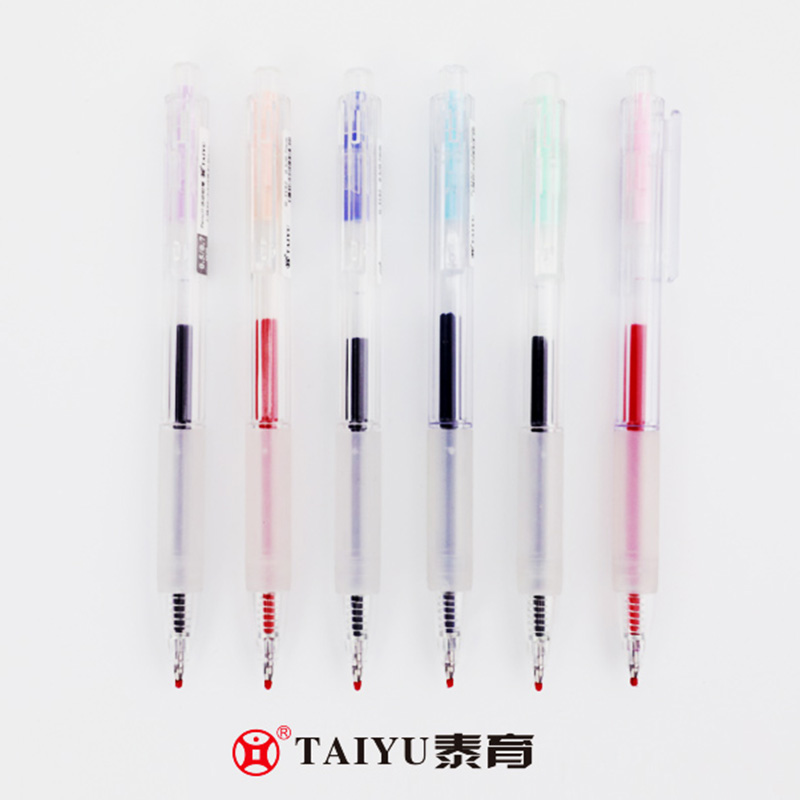
Student Use Gel Pen With Cap With Macaron Color Design Gel Pen 3192
-
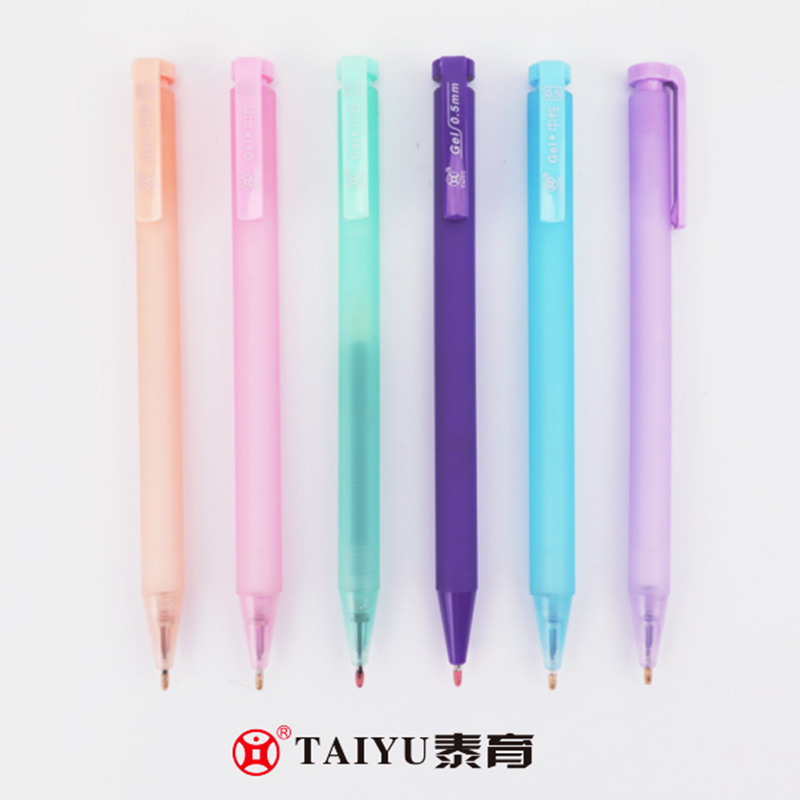
Students Use The Popular New Transparent Matte Designgel Gel Pen 3147A
-
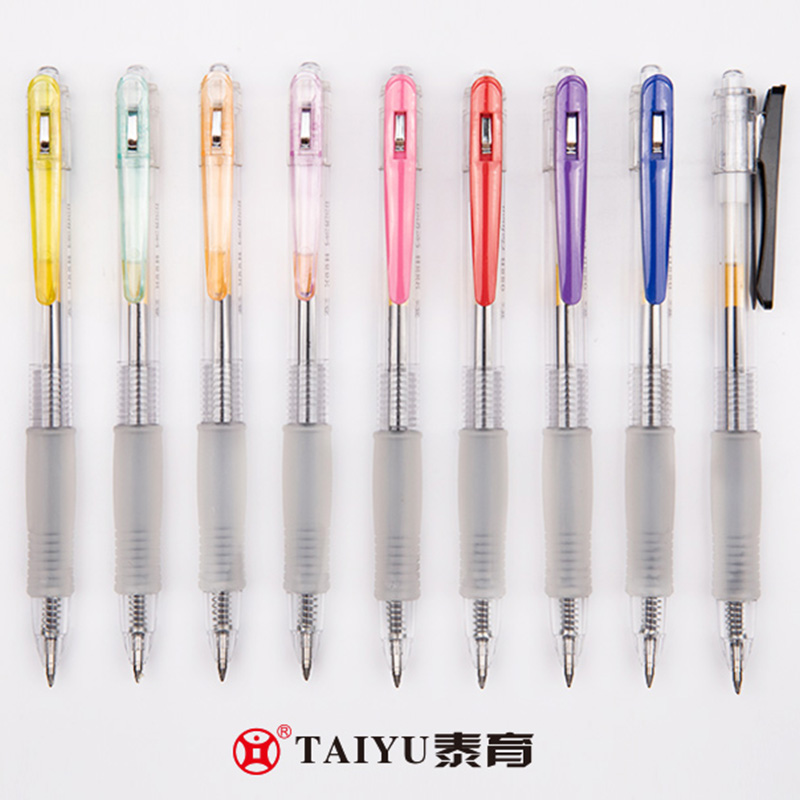
Student Use Pressing Gel Pen With Grip And Pen Holder For Comfortable Writing Gel Pen 988
-
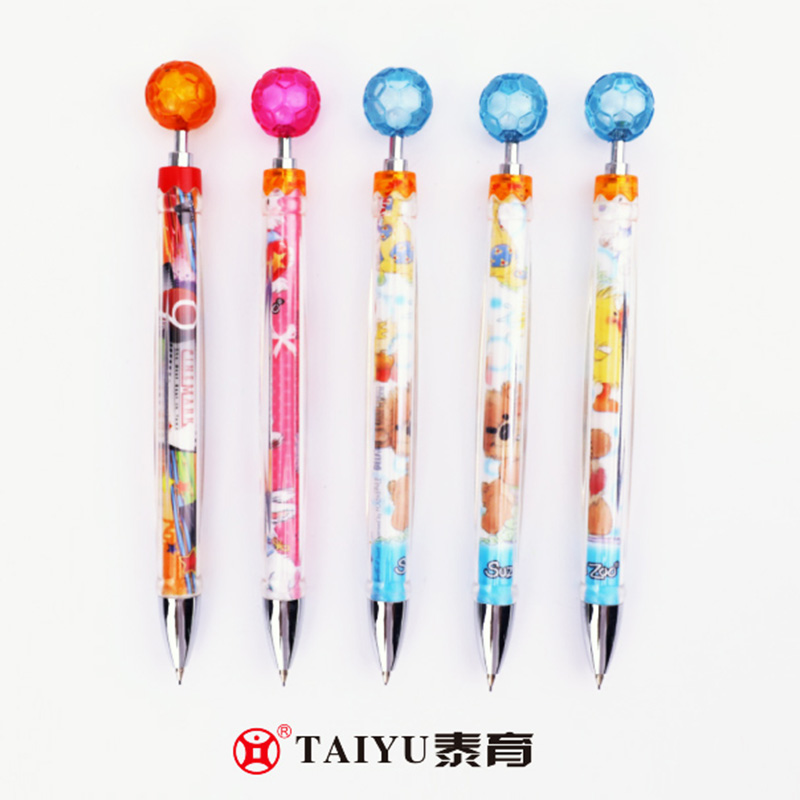
Student Use Mechanical Pencil With Cartoon Design And Colored Acrylic Pressing Head Mechanical Pencil 2140
-
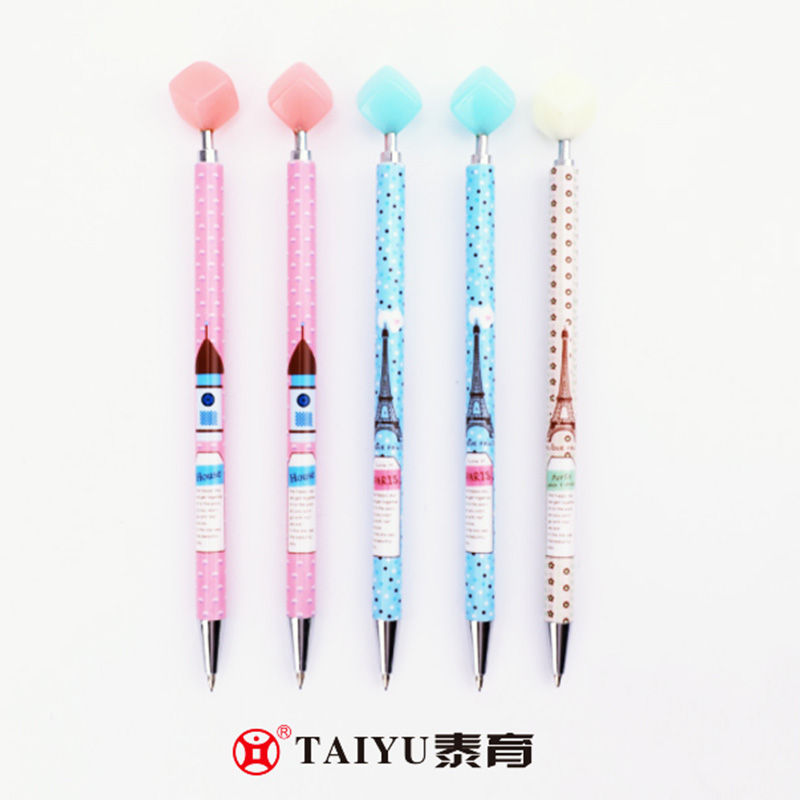
Student Use Mechanical Pencil With Popular And Selling Style Mechanical Pencil 2124
-
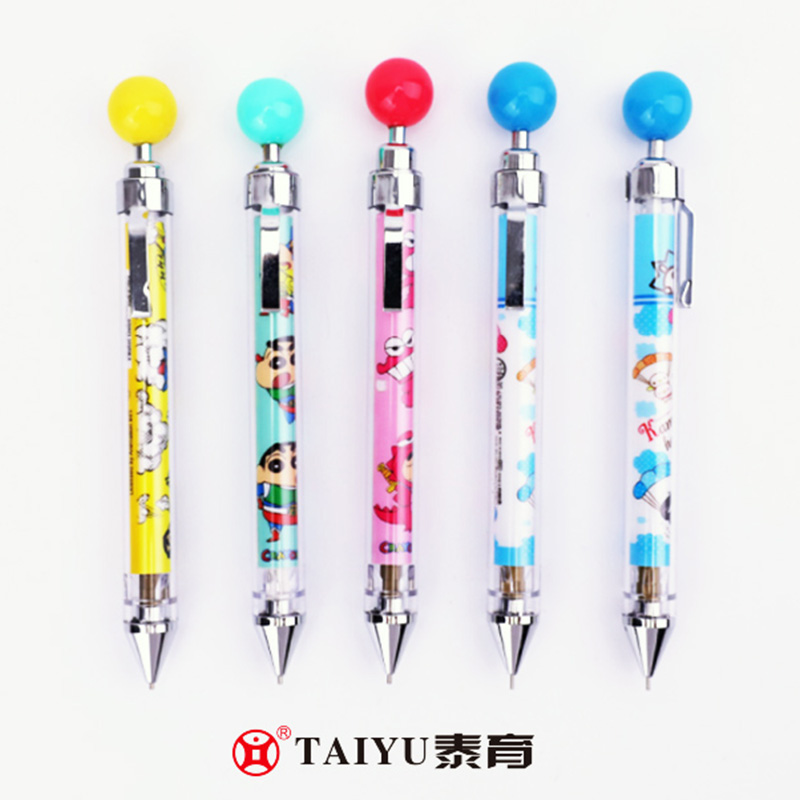
Student Use Mechanical Pencil With Metal Nib And Comfortable Writing Mechanical Pencil 2093
-
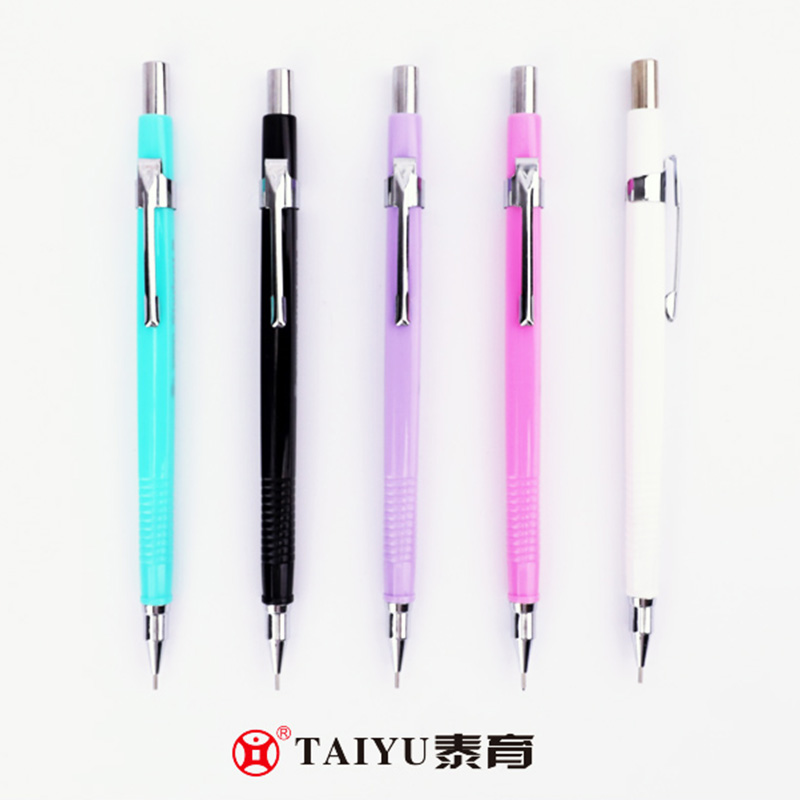
Students Use Mechanical Pencil With Metal Nib Costomized Color Mechanical Pencil 2000D

-
 +86-13056726165 (WeChat / WhatsApp)
-
 [email protected]
-
Hongkong office:RM03,24/F HoKing Comm CTR,2-16 Fayuen St,Mong Kok,HongKong,China
Tel:+852 62195386 Ningbo Factory:Guanhaiwei Industrial West Zone, Cixi, Zhejiang, China Tel:+86-0573-63630076


