


 English
 中文简体
中文简体 Español
What's the difference between a gel pen and a regular pen?
Content
Pen is one of our most frequently used tools in daily study and work. Faced with the dazzling array of pen products on the market, you might wonder: "What's the difference between a gel pen and a regular pen?" This question seems simple, but it involves differences in ink, writing experience, and applicable scenarios.
I. Core Differences: Ink Composition and Characteristics
The biggest feature of a gel pen is its unique ink system, which is the key difference between it and ballpoint pens and fountain pens.
The main differences between these three types of pens lie in their basic ink composition, fluidity, and writing characteristics:
- Gel Pen (G-type pen/gel pen):
Ink Basic Composition: Mainly water-based or water-soluble dyes/pigments, with moderate viscosity.
Ink Fluidity: Moderate.
Writing Characteristics: Smooth writing, bright colors, and does not easily bleed. - Ballpoint Pen:
Ink Basic Composition: Mainly oil-based dyes, with high viscosity.
Ink Fluidity: Relatively poor.
Writing Characteristics: Stable ink flow, good water resistance, and quick-drying. - Fountain Pen:
Ink Base Components: Primarily water-based dyes, low viscosity.
Ink Flow: Best.
Writing Characteristics: Ample ink, variable line thickness, rich in detail (i.e., pen tip).
Gel pen ink has a viscosity between water-based inks (like fountain pens) and oil-based inks (like ballpoint pens), hence the name "neutral." This neutral ink combines the stability of oil-based inks with the fluidity of water-based inks, writing smoothly like cream and without easily bleeding through paper, making it ideal for note-taking and everyday writing.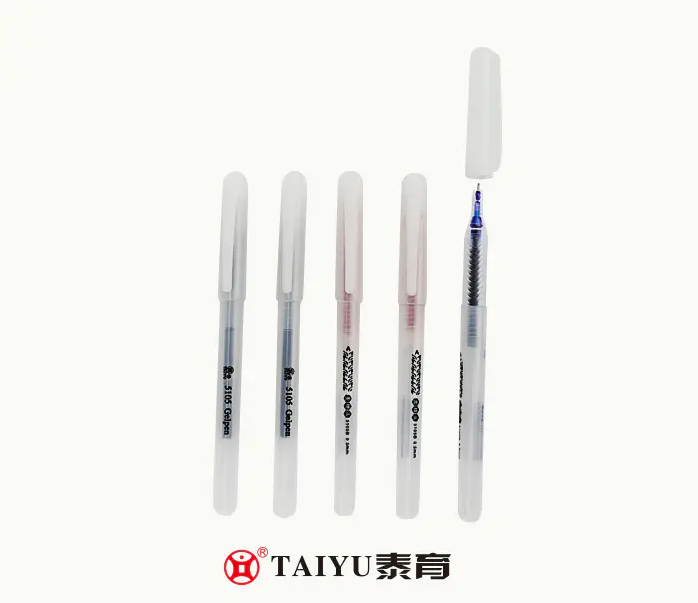
II. Differences in Writing Experience and Applicable Scenarios
1. Writing Smoothness and Handwriting
- Gel Pen: Offers excellent writing smoothness. Its ink spreads evenly on paper, with vibrant color and clear, stable handwriting, making it ideal for documents requiring detailed recording and long-term preservation. In exams and daily study, gel pens are a choice that balances efficiency and aesthetics.
- Ballpoint pens: Due to their oil-based ink, they have higher friction, resulting in a noticeable "dragging" sensation when writing. However, they offer advantages such as stable ink flow and resistance to drying out, making them more suitable for scenarios requiring quick, high-volume signing or form filling.
- Fountain pens: Require adaptation to different nibs and ink volumes, offering unique stroke variations, suitable for calligraphy practice, formal signatures, and users who prioritize a comfortable writing feel.
2. Water Resistance and Preservation
In terms of water resistance, traditional gel pens (especially those using dye-based inks) may not be as durable as oil-based ballpoint pens. However, most modern high-quality gel pens use pigment-based inks, significantly improving water and light resistance, ensuring long-term document preservation. For important document signing, it is recommended to choose gel pens labeled "archival grade" or "waterproof."
III. How to Choose the Most Suitable Writing Tool?
- For smooth and clear writing: If you are a student or need to engage in prolonged daily writing, note-taking, or document organization, then a gel pen is undoubtedly the best choice.
- For those prioritizing durability and quick-drying: If you frequently fill out receipts, write on smooth paper, or require ink to dry quickly, a ballpoint pen might be more suitable.
- For those seeking a refined and artistic feel: If you appreciate the beauty of writing, value the feel of the nib against the paper, and are willing to invest time in maintenance, a fountain pen will better meet your needs.
Understanding the difference between gel pens and regular pens (ballpoint and fountain pens) hinges on recognizing the unique ink technology of gel pens. This technology gives them the advantages of both: a smooth feel similar to ballpoint pens and stability similar to fountain pens.
LATEST POST
Let’s create something amazing together
contact usFeatured Products
-
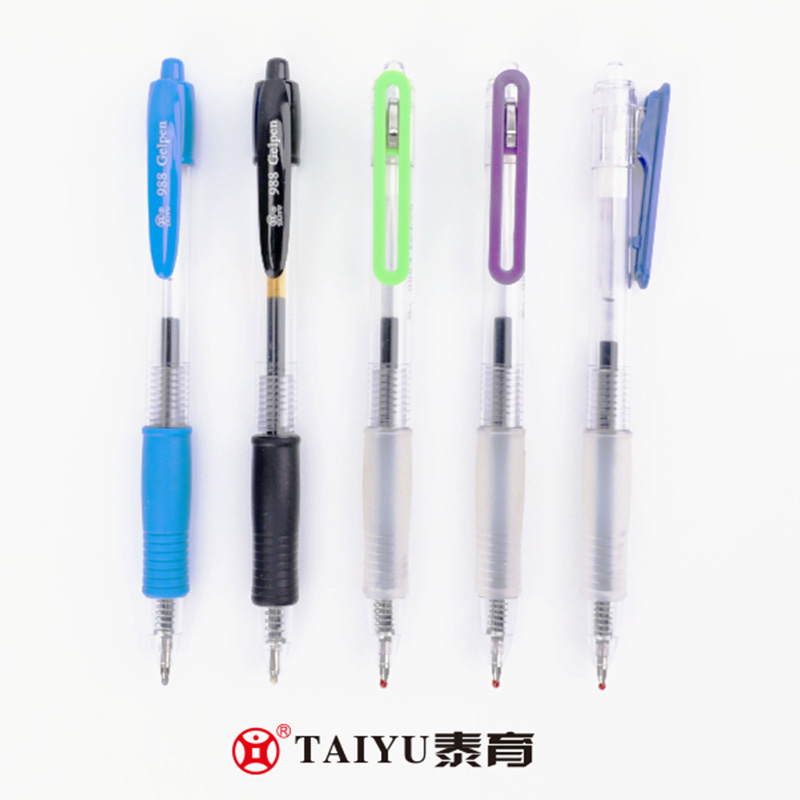
Office Use Gel Pen With Rubber And Flexible Clip Costomized Color Gel Pen 988
-
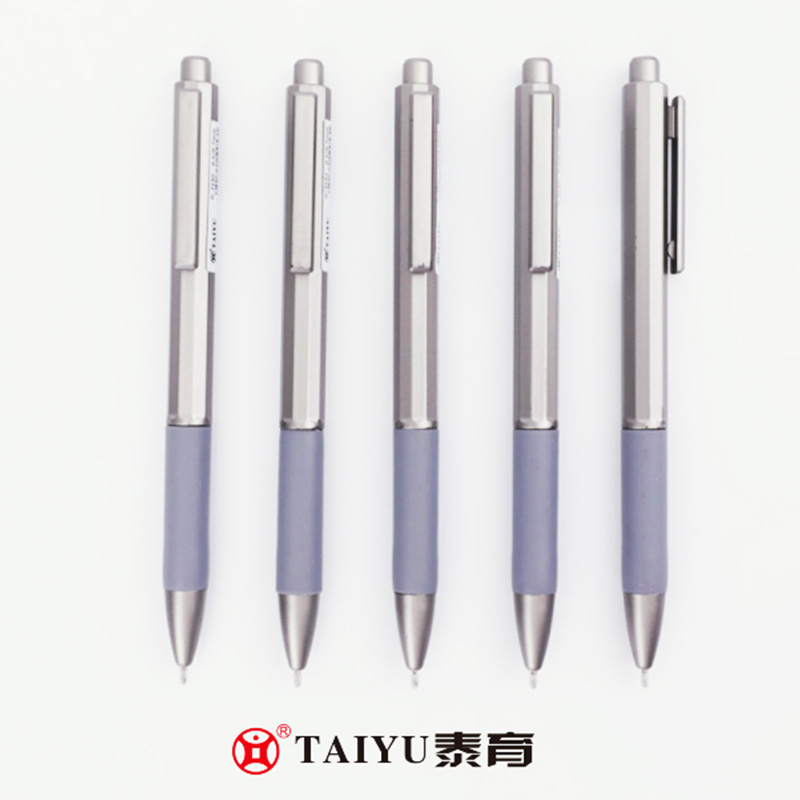
Office Use Gel Pen With Rubber Costomized Color Gel Pen 3192
-
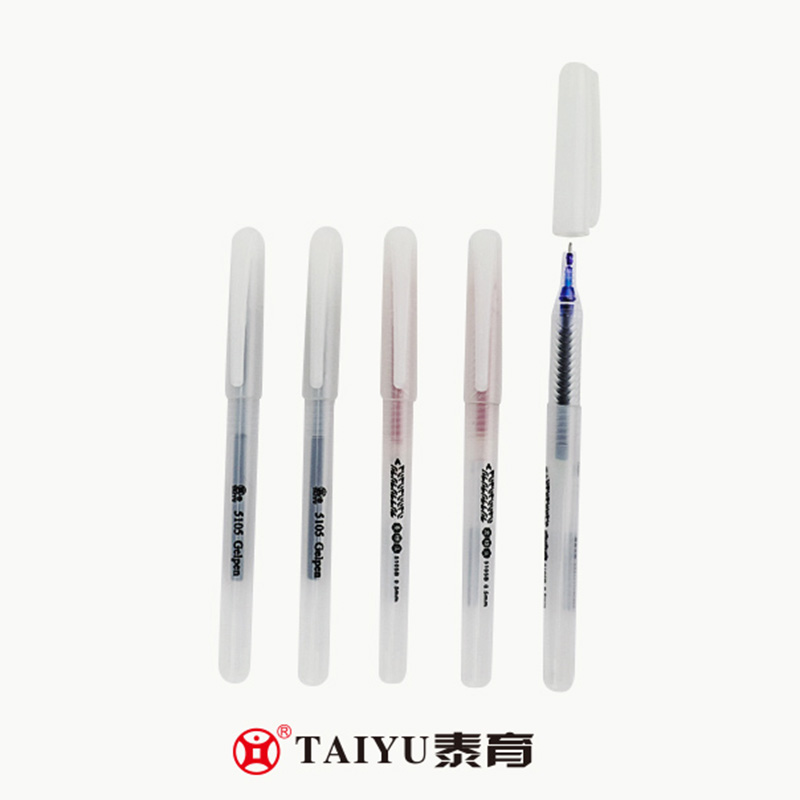
Student Use Gel Pen With Cap Costomized Color Gel Pen 5015
-
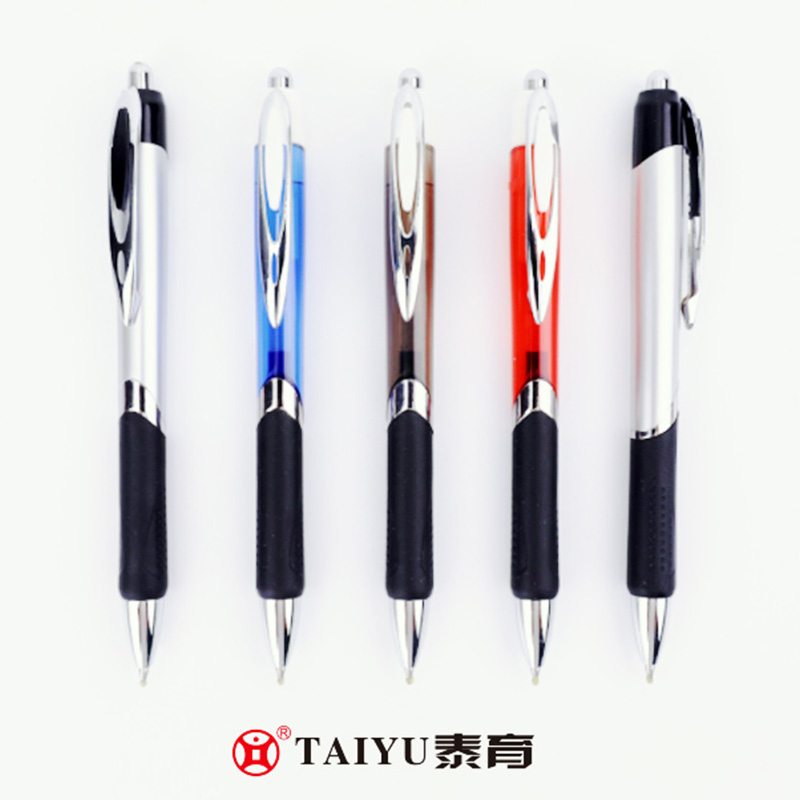
Office Use Gel Pen Designs With Grip And Write Smoothly Gel Pen 3166
-
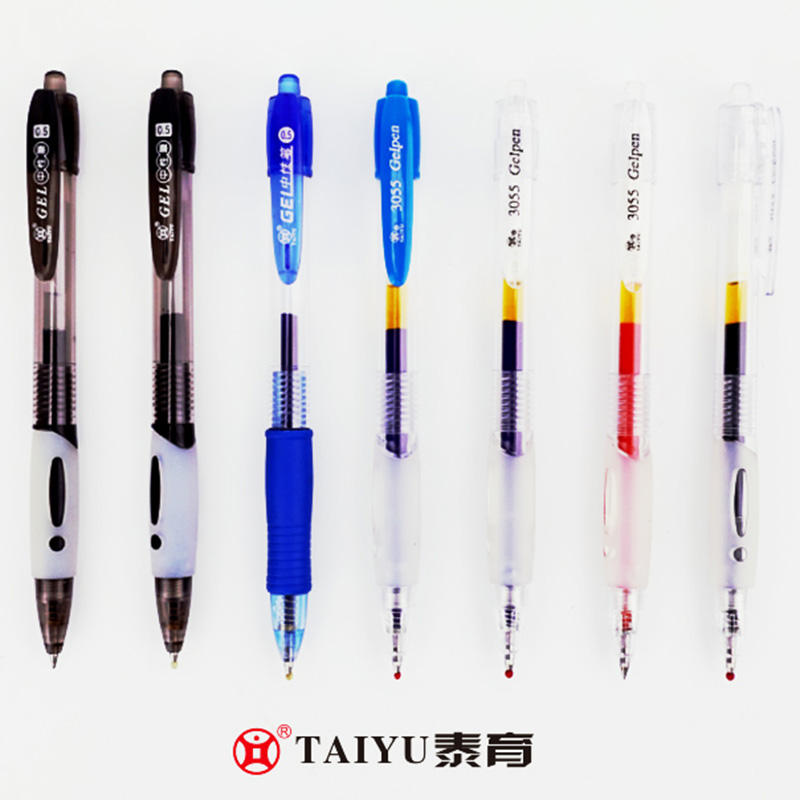
Office Use Pressing Gel Pen Simple Style Costomized Color Gel Pen 3055
-
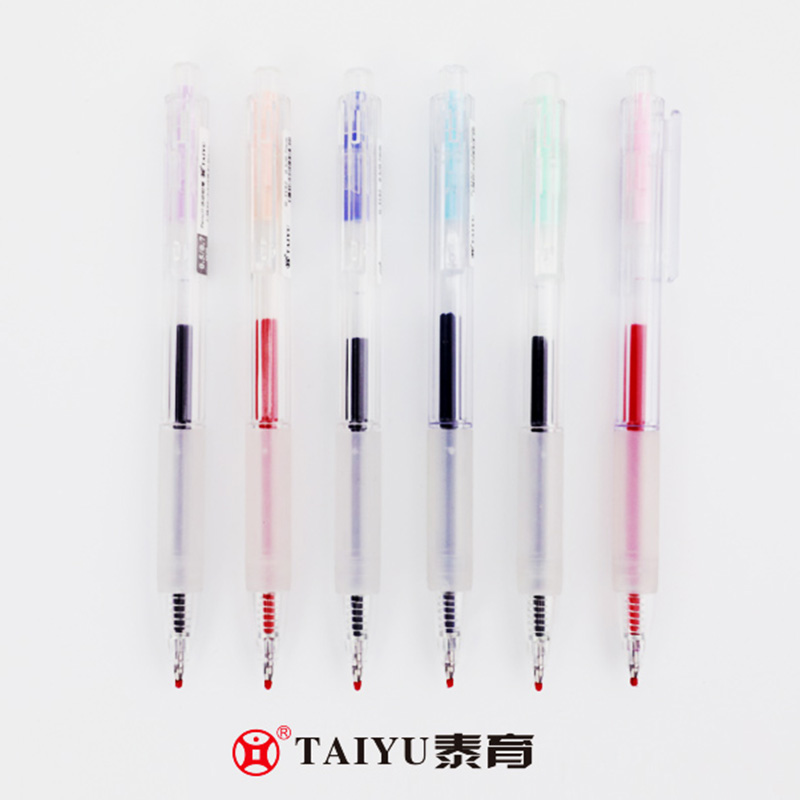
Student Use Gel Pen With Cap With Macaron Color Design Gel Pen 3192
-
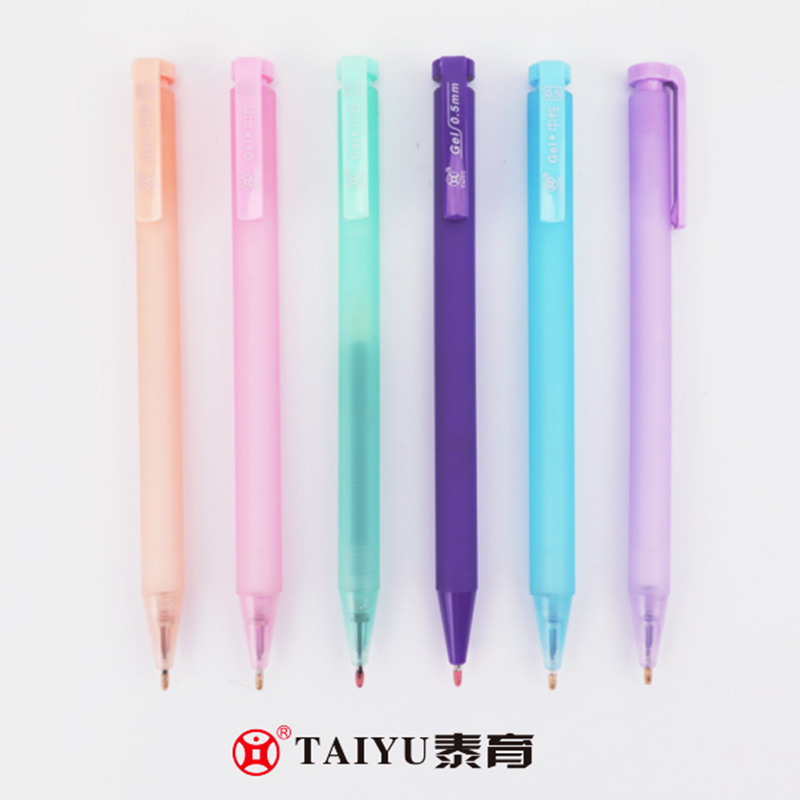
Students Use The Popular New Transparent Matte Designgel Gel Pen 3147A
-
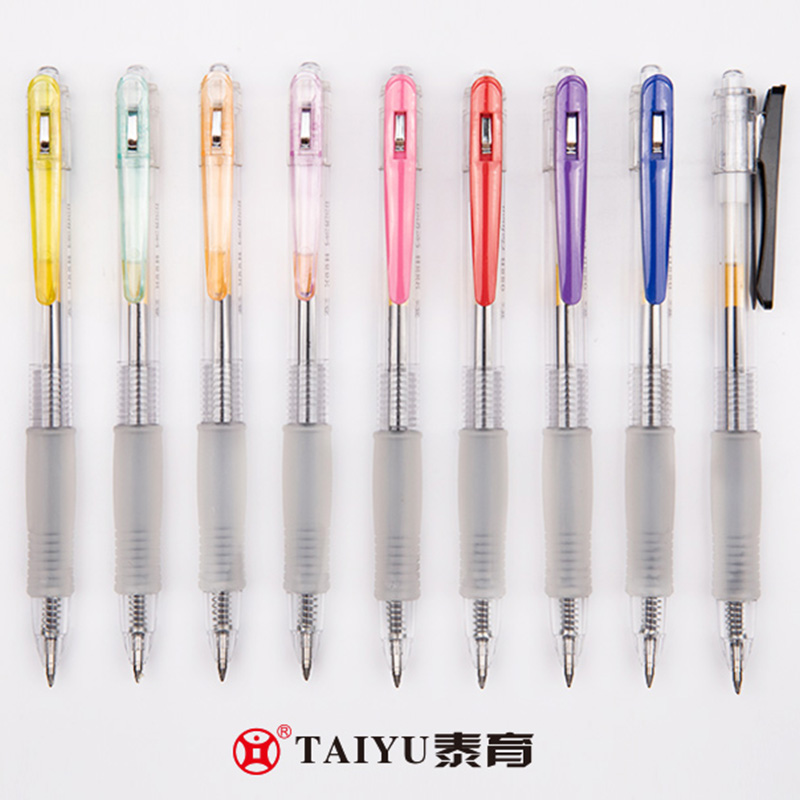
Student Use Pressing Gel Pen With Grip And Pen Holder For Comfortable Writing Gel Pen 988
-
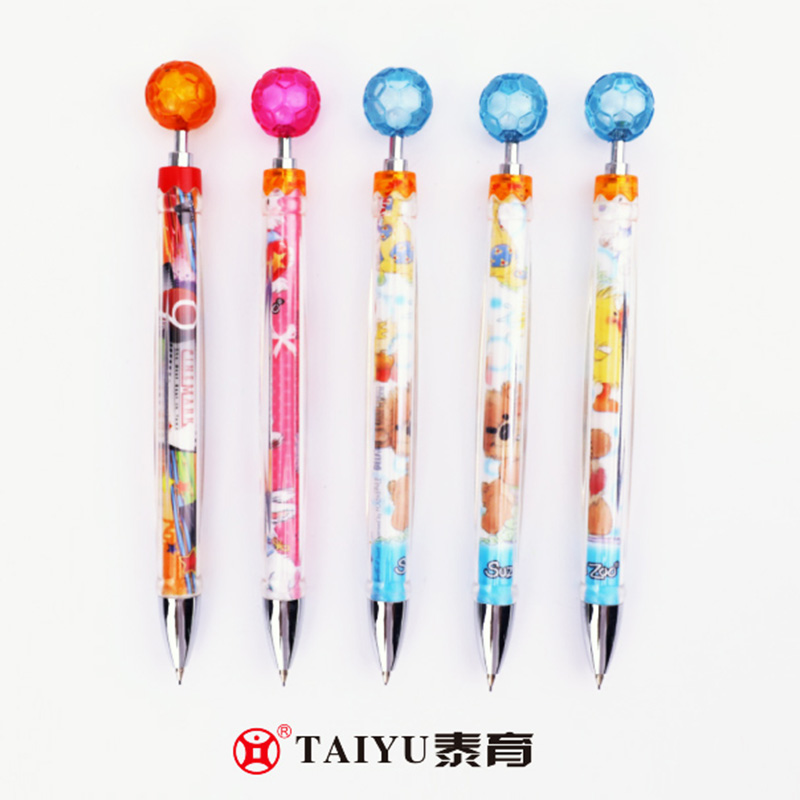
Student Use Mechanical Pencil With Cartoon Design And Colored Acrylic Pressing Head Mechanical Pencil 2140
-
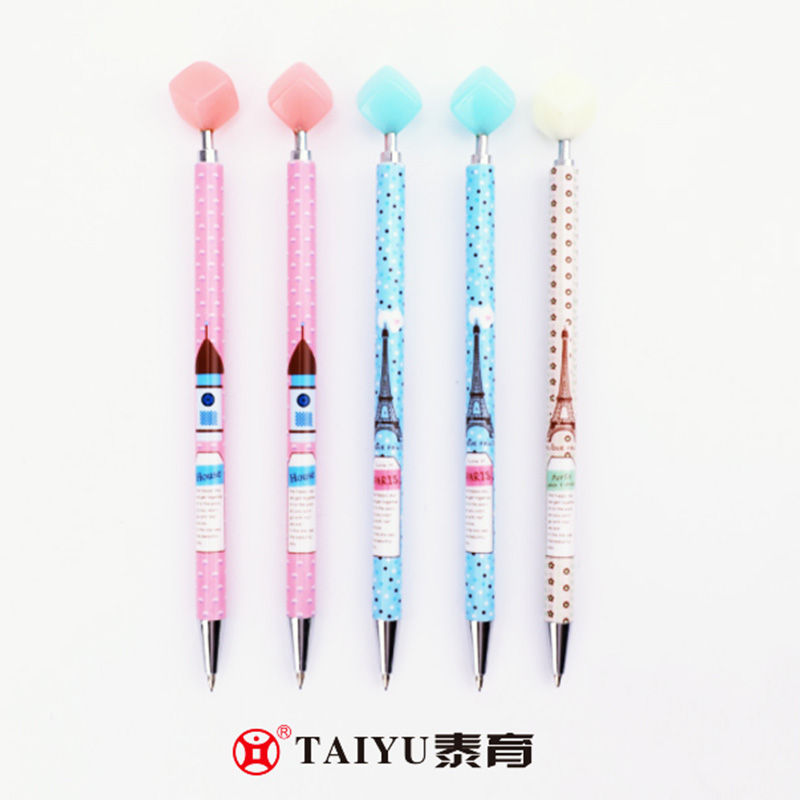
Student Use Mechanical Pencil With Popular And Selling Style Mechanical Pencil 2124
-
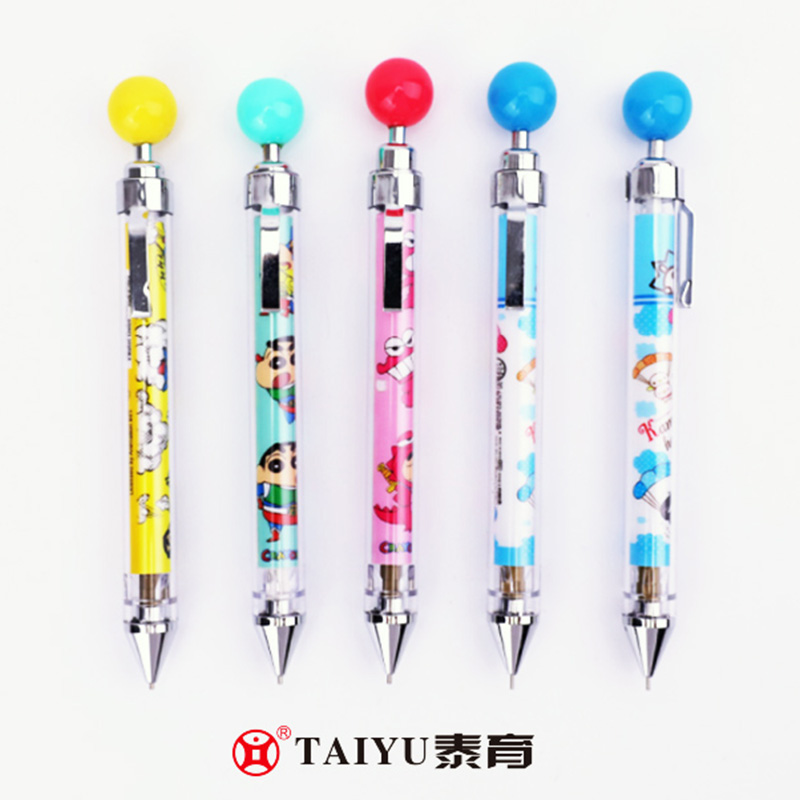
Student Use Mechanical Pencil With Metal Nib And Comfortable Writing Mechanical Pencil 2093
-
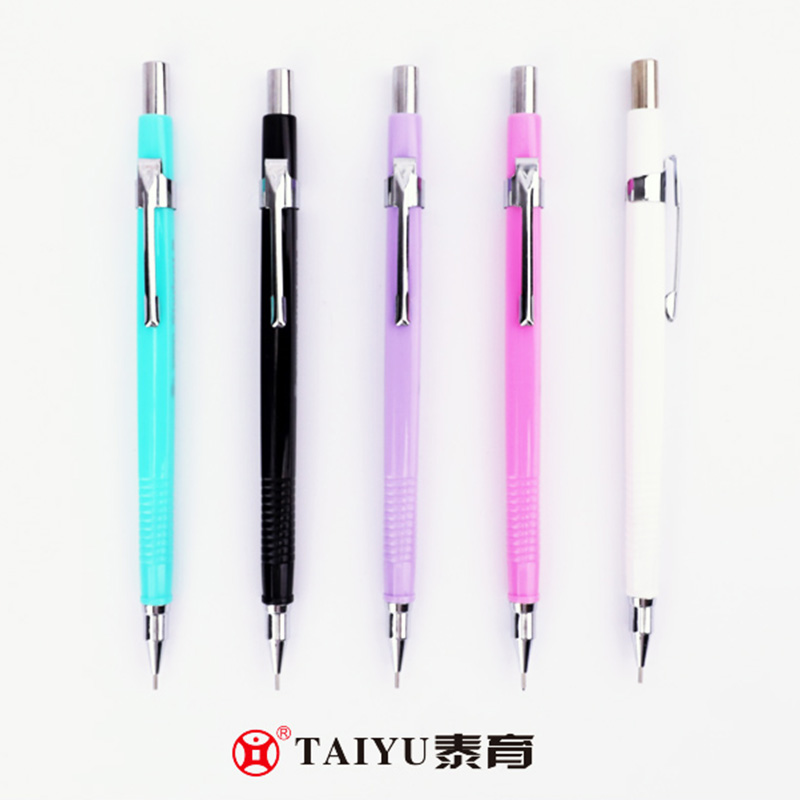
Students Use Mechanical Pencil With Metal Nib Costomized Color Mechanical Pencil 2000D

-
 +86-13056726165 (WeChat / WhatsApp)
-
 [email protected]
-
Hongkong office:RM03,24/F HoKing Comm CTR,2-16 Fayuen St,Mong Kok,HongKong,China
Tel:+852 62195386 Ningbo Factory:Guanhaiwei Industrial West Zone, Cixi, Zhejiang, China Tel:+86-0573-63630076


