


 English
 中文简体
中文简体 Español
How to Sketch with Markers?
Content
Markers have become an indispensable tool in the field of quick note-taking and artistic creation. They are widely loved by illustrators, designers, and sketching enthusiasts for their vibrant colors, even application, and portability. However, simply having the tool is not enough to create high-quality sketches with markers.
I. Why Choose Markers for Sketching?
Traditional pencil or charcoal sketching focuses on light and shadow and structure, while markers add a fast and vivid expression of color.
Fast Application: Markers dry quickly, allowing you to apply large areas of color in a short time, making them ideal for sketching and concept design.
Color Expression: With hundreds of color options, markers offer a rich selection, allowing you to easily achieve transitions and layering effects.
Portability: Whether sketching outdoors or creating in a café, a box of markers is lighter and more portable than paint and watercolor kits.
II. Beginner Preparations for Marker Sketching
Before you begin creating with markers, ensure you have the following tools:
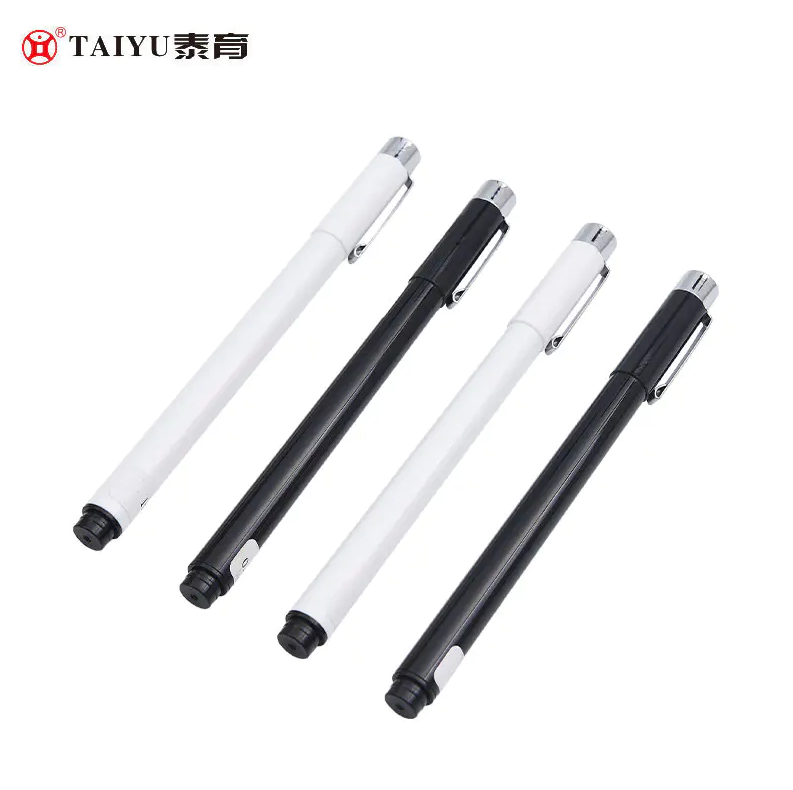
- High-quality markers: Choose oil-based or alcohol-based markers, as they generally offer better blending and durability. It's recommended to start with warm and cool gray tones, which are key to depicting light and shadow in marker sketches.
- Professional sketch paper or marker paper: This type of paper is usually thicker, preventing ink from bleeding to the next page and better showcasing the color saturation of the markers.
- Pencil and eraser: Used for sketching and defining basic outlines.
- Fine-line pen (technical pen): Used to outline and add details after the sketch is complete.
III. Mastering Basic Techniques: Marker Coloring and Layering
Successful marker sketching relies on control of strokes and colors.
1. Even Coloring (Flat Wash Technique)
The most basic technique for using markers is flat washing. To avoid noticeable brushstrokes, follow these principles:
- Consistency of Direction: Maintain a consistent brushstroke direction within an area (e.g., only from left to right, or only from top to bottom).
- Even Speed: Keep your hand speed constant to allow the ink to flow evenly.
- Wet-on-Wet Blending: Blending the next brushstroke before the ink is completely dry avoids harsh edges.
2. Advanced Layering and Blending
Layering is key to creating depth and light in marker sketches.
Light Base: Always use the lightest color as a base for the entire area.
Gradual Darkening: After the first layer dries, layer darker markers over the shadow areas. Repeat this process until the desired contrast is achieved.
Using a Colorless Blender: Some marker brands come with a blender, which can be used to soften edges, create smooth transitions, or blend colors.
IV. The Creative Process of Marker Sketching
A standard marker sketching process can help you complete your work more systematically:
Sketching (Draft): Lightly sketch the basic shape and perspective lines of the object with a pencil.
Establishing Light and Shadow Relationships: Mark the direction of the light source and the approximate shadow areas on the sketch.
Laying the Base Color: Use the lightest marker (such as N0, C1, or other gray tones) to apply a large, flat wash to the object and background, establishing the overall tone of the sketch.
Adding Shadows: Based on the light and shadow relationships, use a darker marker (such as C3, C5) to add shadows, shaping the volume of the object.
Detailing and Outlining: Use a finer marker or liner pen to depict details and textures, and use a highlighter or white paint to accentuate the brightest areas.
Marker sketching is a dynamic and efficient art form. By choosing high-quality markers, mastering the techniques of even washes and skillful layering, and following a standardized creative process, you will be able to create sketches that are both fast-paced and richly expressive in color.
Master your craft with the right marker tools and techniques to elevate your artwork.
LATEST POST
Let’s create something amazing together
contact usFeatured Products
-
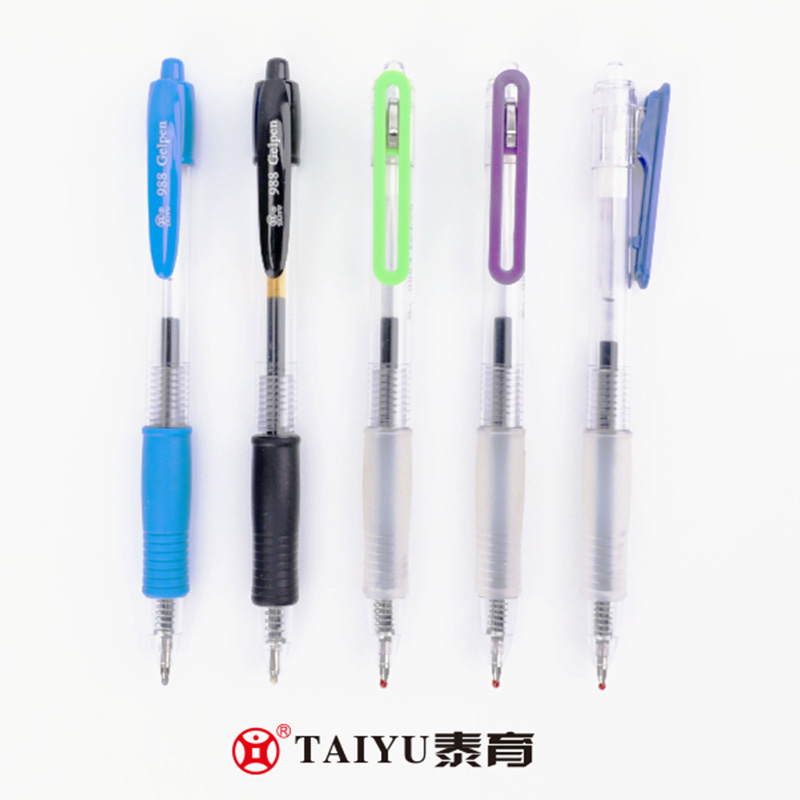
Office Use Gel Pen With Rubber And Flexible Clip Costomized Color Gel Pen 988
-
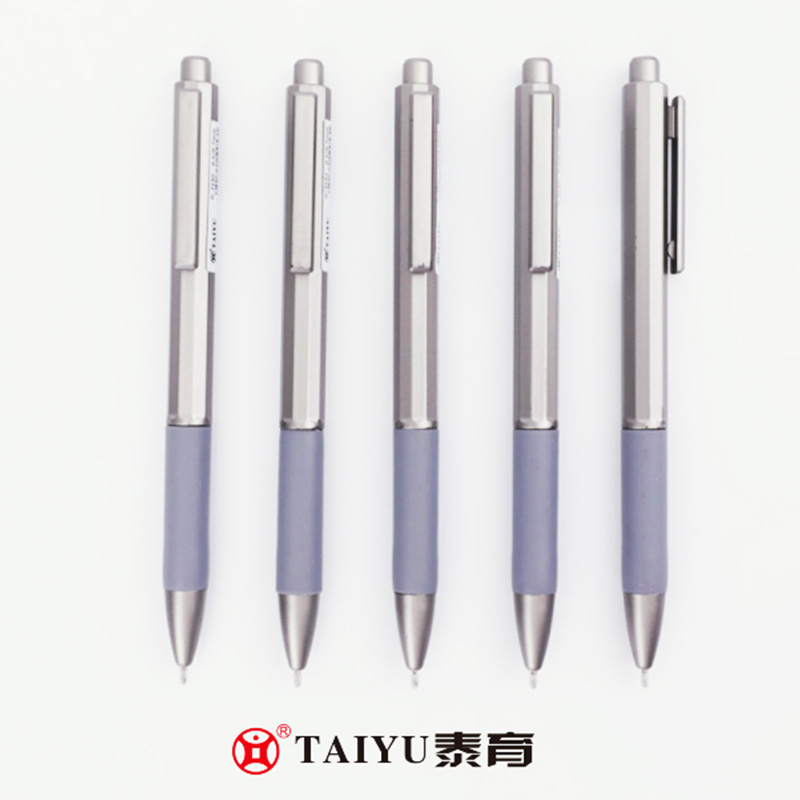
Office Use Gel Pen With Rubber Costomized Color Gel Pen 3192
-
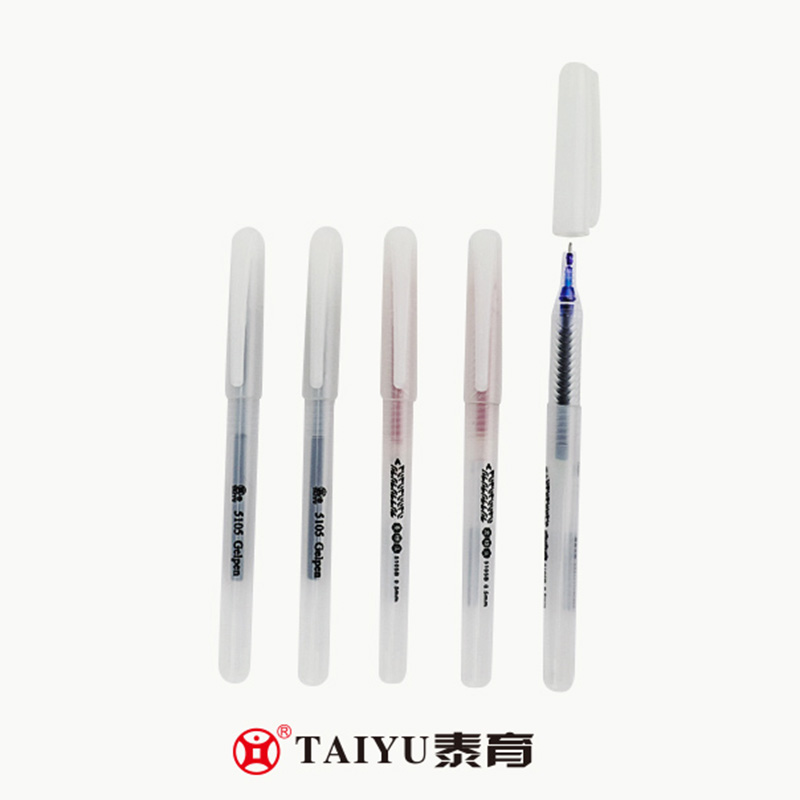
Student Use Gel Pen With Cap Costomized Color Gel Pen 5015
-
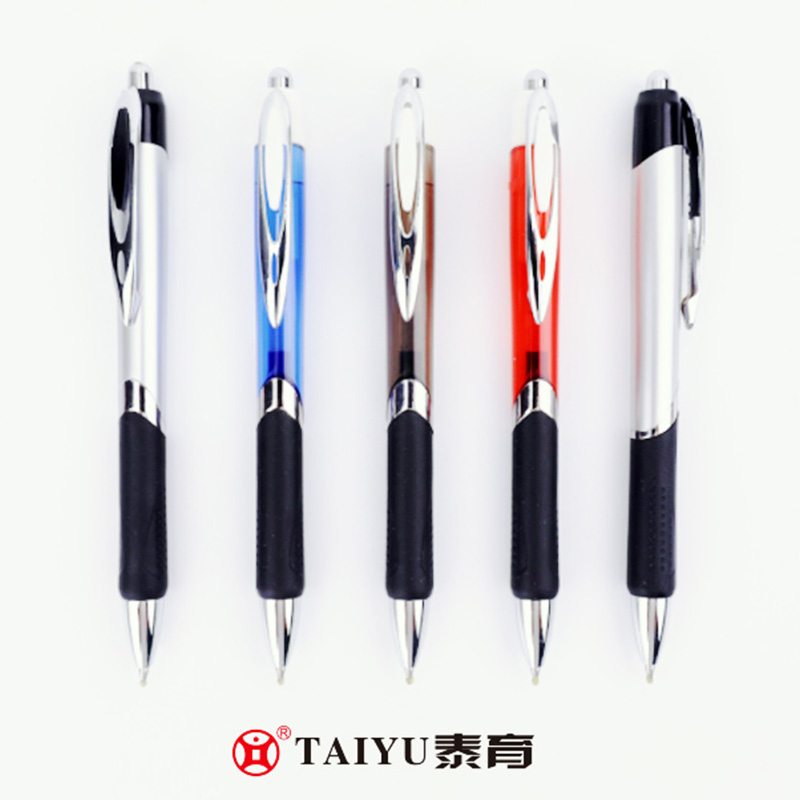
Office Use Gel Pen Designs With Grip And Write Smoothly Gel Pen 3166
-
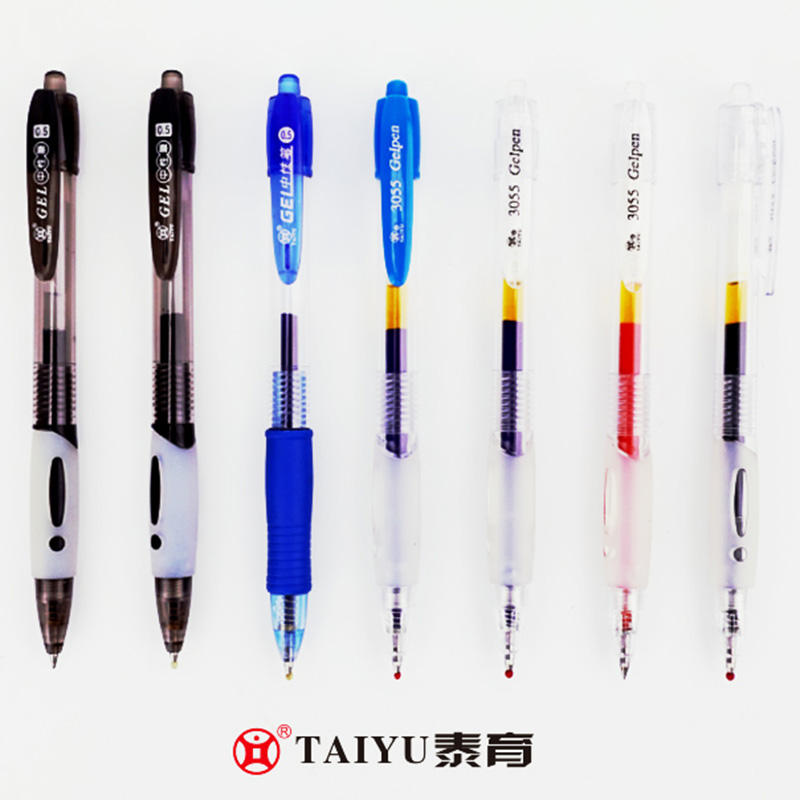
Office Use Pressing Gel Pen Simple Style Costomized Color Gel Pen 3055
-
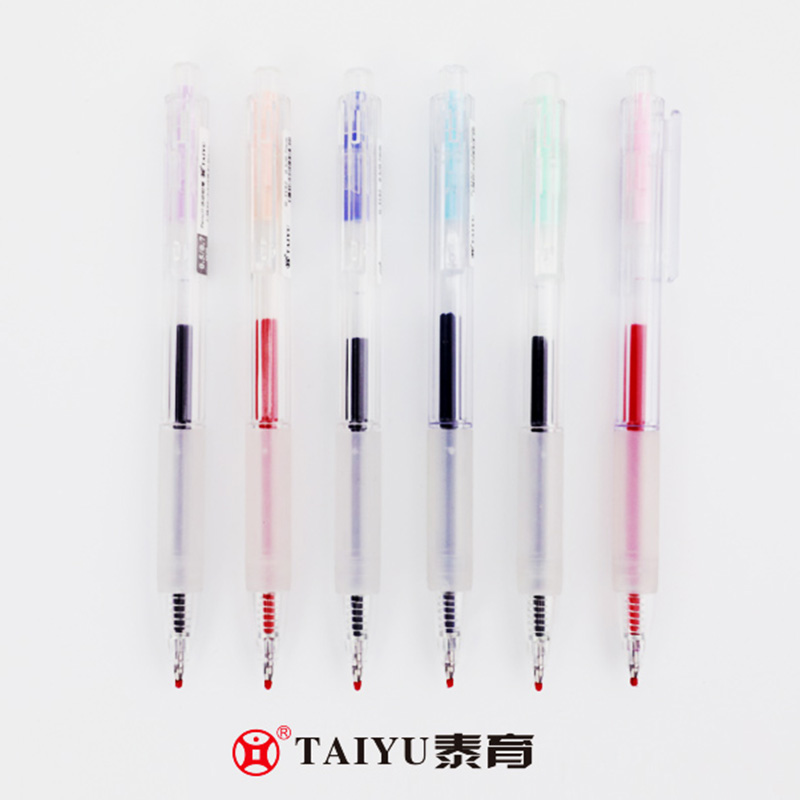
Student Use Gel Pen With Cap With Macaron Color Design Gel Pen 3192
-
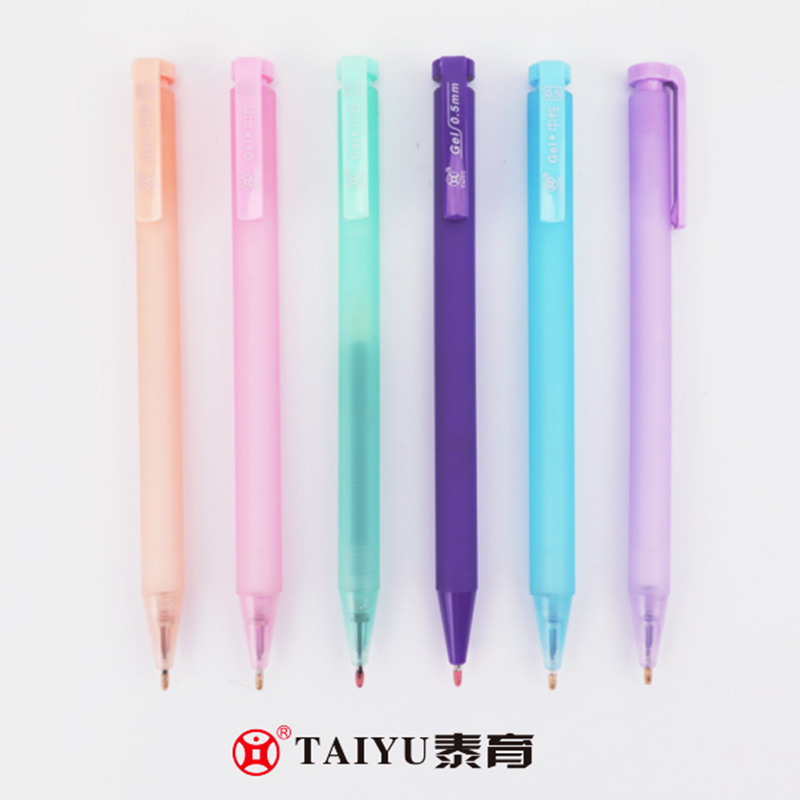
Students Use The Popular New Transparent Matte Designgel Gel Pen 3147A
-
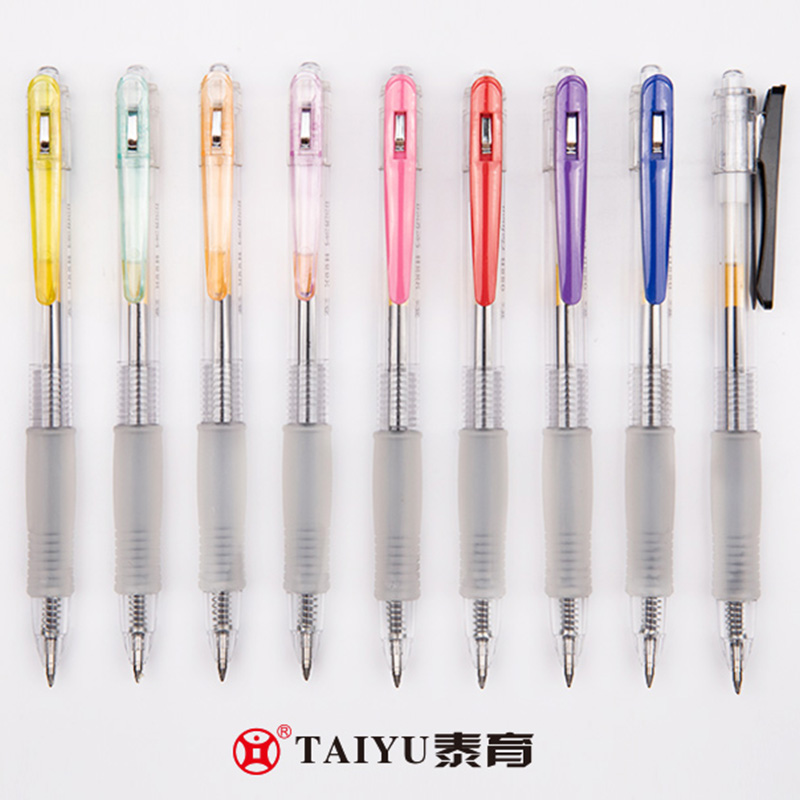
Student Use Pressing Gel Pen With Grip And Pen Holder For Comfortable Writing Gel Pen 988
-
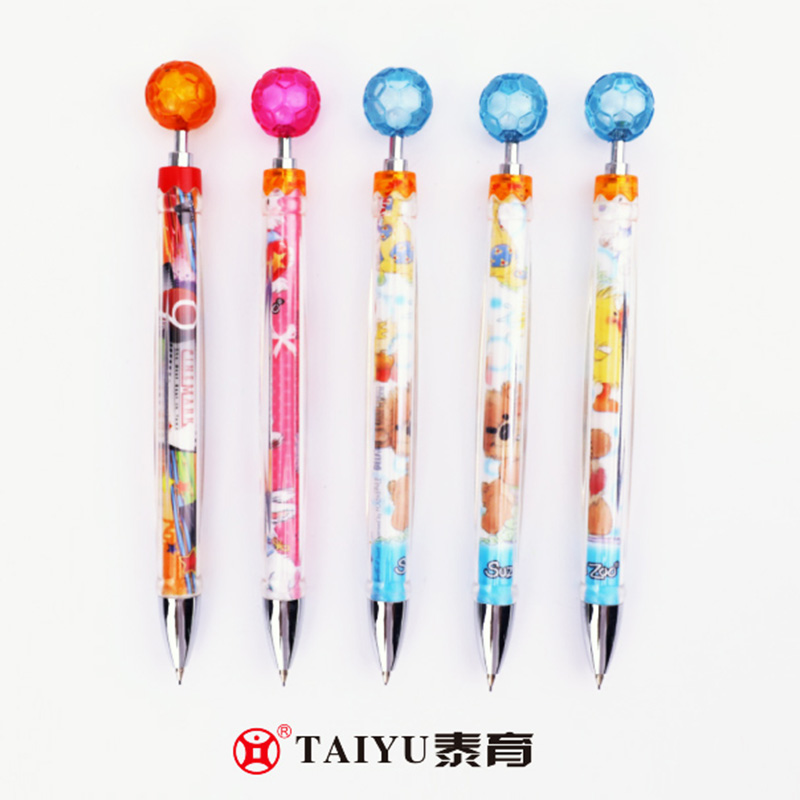
Student Use Mechanical Pencil With Cartoon Design And Colored Acrylic Pressing Head Mechanical Pencil 2140
-
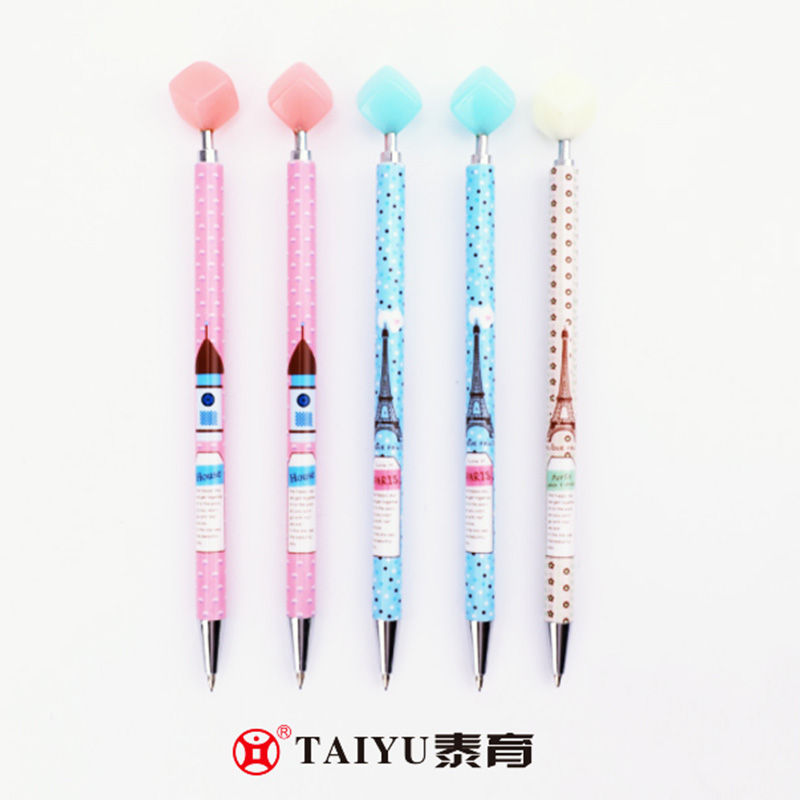
Student Use Mechanical Pencil With Popular And Selling Style Mechanical Pencil 2124
-
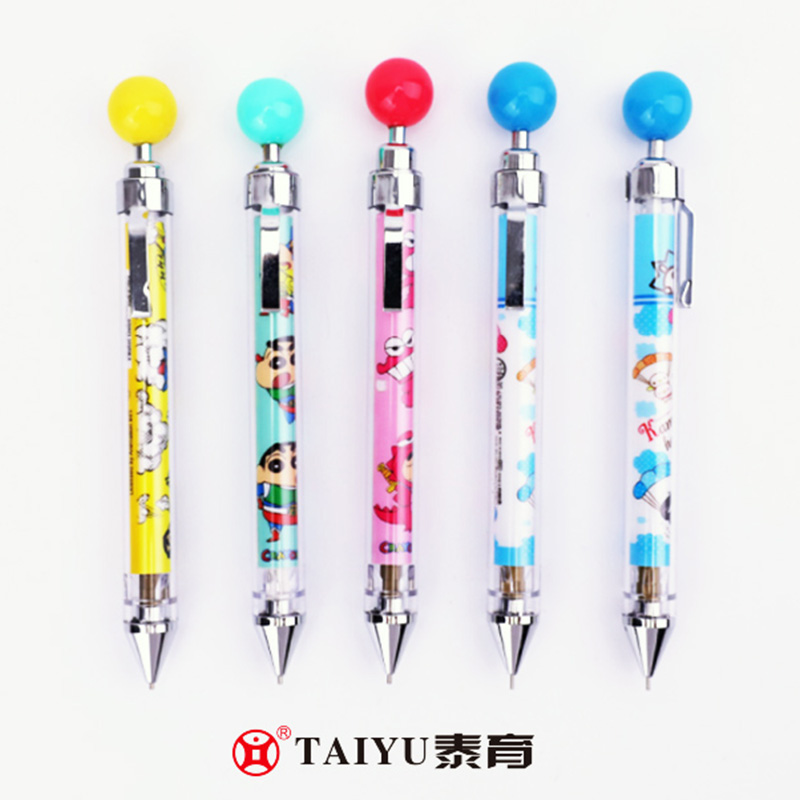
Student Use Mechanical Pencil With Metal Nib And Comfortable Writing Mechanical Pencil 2093
-
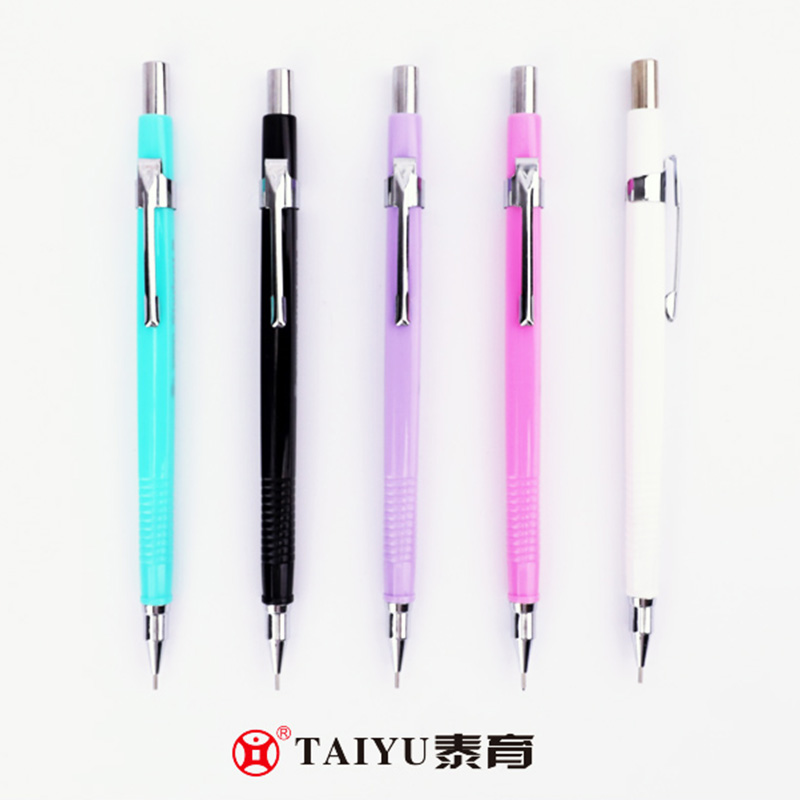
Students Use Mechanical Pencil With Metal Nib Costomized Color Mechanical Pencil 2000D

-
 +86-13056726165 (WeChat / WhatsApp)
-
 [email protected]
-
Hongkong office:RM03,24/F HoKing Comm CTR,2-16 Fayuen St,Mong Kok,HongKong,China
Tel:+852 62195386 Ningbo Factory:Guanhaiwei Industrial West Zone, Cixi, Zhejiang, China Tel:+86-0573-63630076


