


 English
 中文简体
中文简体 Español
Marker Pen: A Buying Guide for Beginners and Artists!
Content
- 1 What Are Marker Pens and Why the Type Matters
- 2 Marker Pen Types Compared: A Quick Reference Table
- 3 Understanding Tip Shapes and When to Use Each
- 4 How to Choose the Right Set Size
- 5 Paper Compatibility: A Factor Most Beginners Overlook
- 6 Key Features to Check Before You Buy
- 7 Common Use Cases and the Best Marker Type for Each
- 8 Beginner Buying Checklist
- 9 Tips for Getting the Most Out of Your Markers
If you're looking for the right marker pen, here's the short answer: beginners should start with a dual-tip water-based marker set of 24–36 colors, while serious artists benefit from alcohol-based markers with broad + fine tip combinations. The type of ink, tip shape, and paper compatibility matter more than brand name or price. This guide breaks down everything you need to make a confident, informed purchase.
What Are Marker Pens and Why the Type Matters
Marker pens are ink-filled writing and drawing tools with a felt or fiber tip. They come in dozens of subtypes — permanent markers, alcohol-based art markers, water-based markers, chalk markers, and more — each engineered for different surfaces and purposes.
Choosing the wrong type is the most common beginner mistake. For example, using a permanent solvent-based marker on thin copy paper will cause heavy bleed-through, while using a water-based marker on glass will smear and fade within days. Understanding ink chemistry is the foundation of any smart buying decision.
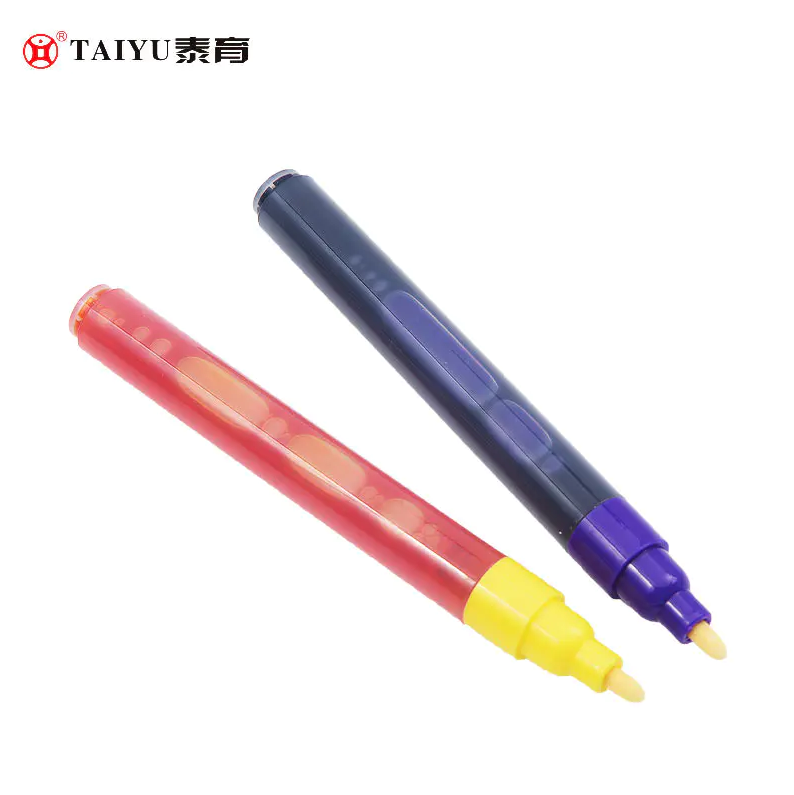
The Three Core Ink Types
- Water-based: Safe, low-odor, easy to blend with a wet brush. Ideal for illustration, journaling, and classroom use. Colors tend to be vivid but may fade over time without UV-protective coating.
- Alcohol-based: Fast-drying, highly blendable, and produces professional-grade color gradients. Best for comic art, fashion design, and architectural rendering. Contains solvents, so ventilation is recommended.
- Oil-based / solvent-based (permanent): Extremely durable, works on metal, plastic, fabric, and more. Resistant to water and UV light. Less suitable for fine art due to limited blending.
Marker Pen Types Compared: A Quick Reference Table
| Type | Best For | Blendability | Odor Level | Typical Use |
|---|---|---|---|---|
| Water-based | Kids, beginners, journaling | Moderate | Low | Paper, cardstock |
| Alcohol-based | Illustrators, designers | Excellent | Moderate–High | Marker paper, bristol |
| Oil/Solvent-based | Labeling, industrial use | Low | High | Metal, plastic, fabric |
| Chalk markers | Chalkboards, windows | Low | Low | Non-porous surfaces |
Understanding Tip Shapes and When to Use Each
The tip determines line width, stroke character, and how precisely you can work. Most professional markers offer dual tips — a broad chisel or brush on one end and a fine bullet or needle tip on the other. For beginners, a dual-tip marker eliminates the need to buy multiple tools for different tasks.
- Bullet tip (round): Produces consistent line widths regardless of angle. Great for writing, outlining, and consistent fills. Typical widths range from 0.5 mm to 3 mm.
- Chisel tip (wedge): Creates thin or thick lines depending on how you hold it. Preferred for calligraphy, lettering, and filling large areas quickly.
- Brush tip (flexible): Mimics a paintbrush and responds to pressure — press harder for thick strokes, lighter for thin. Essential for manga, watercolor-style illustration, and brush lettering. Takes practice to control.
- Fine/needle tip: Extremely precise, often 0.3–0.5 mm. Used for detailed linework, technical drawing, and cross-hatching.
If you're doing comic illustration, a marker with a brush tip + fine tip combination covers 90% of your workflow. For lettering artists, chisel + fine tip is the standard pairing.
How to Choose the Right Set Size
Marker sets typically come in 12, 24, 36, 48, 72, and 100+ color configurations. Bigger isn't always better — owning 100 colors you don't understand how to blend is less effective than mastering 24 well-chosen ones.
Recommended Set Sizes by Experience Level
- Complete beginner (first purchase): 24–36 colors. Covers the full color wheel with enough variety to practice mixing and shading without overwhelm.
- Intermediate artist: 48–72 colors. Adds mid-tones and specialty shades (skin tones, grays, earth colors) that expand your range significantly.
- Professional / specialized artist: 100+ colors or individual refillable markers. Allows precise color matching for client work, fashion design, or product illustration.
For skin tone rendering specifically — popular in portrait and fashion illustration — look for sets that include at least 6–8 dedicated skin tone shades rather than relying on a single "peach" color.
Paper Compatibility: A Factor Most Beginners Overlook
The paper you use affects color vibrancy, bleed, and how well colors layer or blend. Using incompatible paper wastes ink and produces poor results regardless of marker quality.
- Alcohol-based markers: Use bleed-proof or marker-specific paper (typically 70–100 gsm with a smooth, coated surface). Standard printer paper (80 gsm) bleeds heavily and warps.
- Water-based markers: Work well on mixed media paper (130–200 gsm). Watercolor paper (300 gsm cold press) allows wet blending with a brush.
- Permanent / solvent markers: Designed for non-porous surfaces — glass, metal, plastic, ceramic, or sealed wood.
- Chalk markers: Require non-porous surfaces such as chalkboards, glass, or laminated paper. Do not use on standard paper — they smear and don't erase cleanly.
Pro tip: When testing a new marker set, always test on a scrap piece of your intended paper before committing to a full illustration.
Key Features to Check Before You Buy
Beyond ink type and tip shape, several practical features determine long-term value and usability. Here's what to look for on the product label or specification sheet:
Refillability and Replaceable Tips
High-quality alcohol markers often come with refillable ink reservoirs and replaceable tips. A refillable marker can last 3–5x longer than a disposable equivalent, making it far more economical for regular use. Look for markers that specify ink bottle compatibility in the product listing.
Cap-Off Time
This indicates how long a marker can stay uncapped before the tip dries out. Alcohol-based markers typically have a cap-off time of 30 seconds to 2 minutes. Water-based markers can tolerate longer exposure — some up to 5 minutes. This matters if you work slowly or get distracted mid-session.
Lightfastness Rating
Lightfastness measures how resistant the ink is to fading under UV light. Rated from I (excellent) to V (very poor) by the ASTM standard. For artwork meant to be displayed or sold, choose markers rated I or II. Hobbyist sets rarely disclose this rating, which is a signal that lightfastness is likely poor.
Ventilated vs. Non-Ventilated Caps
Alcohol markers with ventilated caps allow slow evaporation to equalize pressure inside the barrel, which helps maintain consistent ink flow. Non-ventilated caps can cause ink flooding or hard starting after storage.
Common Use Cases and the Best Marker Type for Each
| Use Case | Recommended Ink Type | Best Tip Type | Minimum Set Size |
|---|---|---|---|
| Journaling / bullet journaling | Water-based | Brush + fine | 24 colors |
| Comic / manga illustration | Alcohol-based | Brush + fine | 36–48 colors |
| Hand lettering / calligraphy | Water-based | Brush or chisel | 12 colors |
| Fashion / product design | Alcohol-based | Chisel + fine | 72+ colors |
| Whiteboard / classroom | Dry-erase (water-based) | Chisel or bullet | 4–8 colors |
| Labeling / storage organization | Oil/solvent-based | Fine bullet | 1–3 colors |
Beginner Buying Checklist
Before completing any marker pen purchase, run through this checklist to confirm the product fits your actual needs:
- Identify your primary surface (paper, glass, fabric, etc.) and match the ink type accordingly.
- Decide whether you need blending capability — if yes, prioritize alcohol or water-based markers over permanent markers.
- Check whether the product includes both a broad tip and a fine tip, especially if you'll be doing both fills and detail work.
- If buying for display or sale artwork, verify the lightfastness rating is I or II.
- For long-term use, confirm whether ink refills and replacement tips are available for the specific model.
- Start with 24–36 colors rather than 100+ — it's easier to add colors once you understand your palette preferences.
- Purchase or already own paper that is compatible with the ink type before you begin creating.
Tips for Getting the Most Out of Your Markers
Owning quality markers is only part of the equation. How you store and use them significantly affects performance and lifespan.
Storage Position Matters
Alcohol-based markers should be stored horizontally to keep the ink evenly distributed across the tip. Storing them vertically (tip up) can cause the tip to dry out; tip-down storage can flood the nib and cause skipping. Water-based markers are more forgiving but still benefit from horizontal storage.
Always Cap Immediately
Even markers with extended cap-off time degrade faster when left open. Form the habit of capping after each stroke during slow, detail-oriented work.
Test Before You Commit
Many art supply stores offer open-tester markers. Always test the flow, color accuracy, and tip firmness before buying a large set. A marker that skips, bleeds unexpectedly, or produces a color far from the cap label is a sign of poor quality control.
Layer Light to Dark
For alcohol and water-based markers, always apply lighter colors first and build up to darker values. Applying a dark color first and then going over it with a light one will lift and muddy the darker ink rather than blending it.
LATEST POST
Let’s create something amazing together
contact usFeatured Products
-
Office Use Gel Pen With Rubber And Flexible Clip Costomized Color Gel Pen 988
-
Office Use Gel Pen With Rubber Costomized Color Gel Pen 3192
-
Student Use Gel Pen With Cap Costomized Color Gel Pen 5015
-
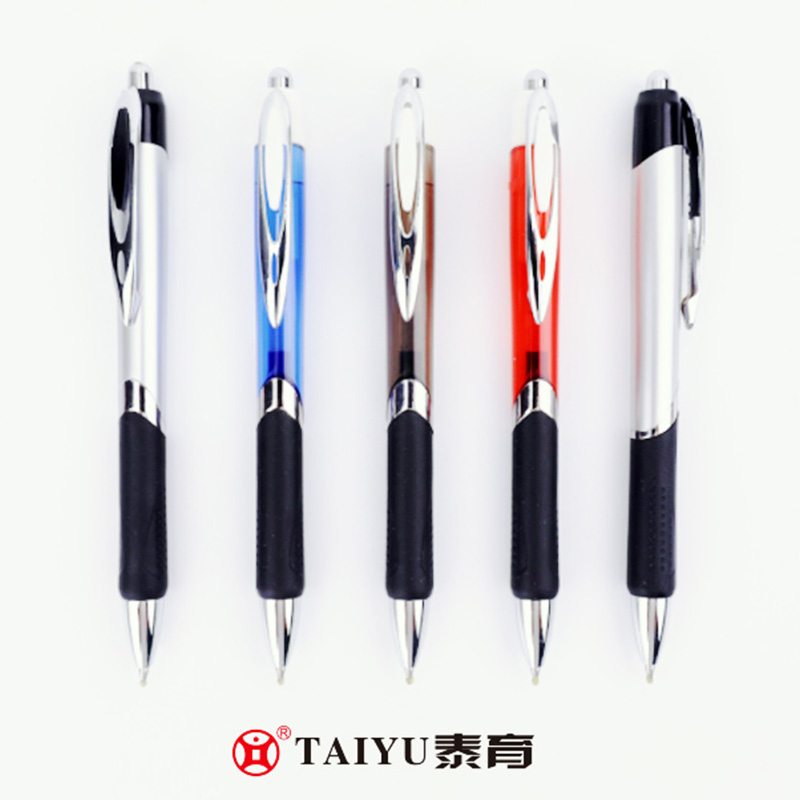
Office Use Gel Pen Designs With Grip And Write Smoothly Gel Pen 3166
-
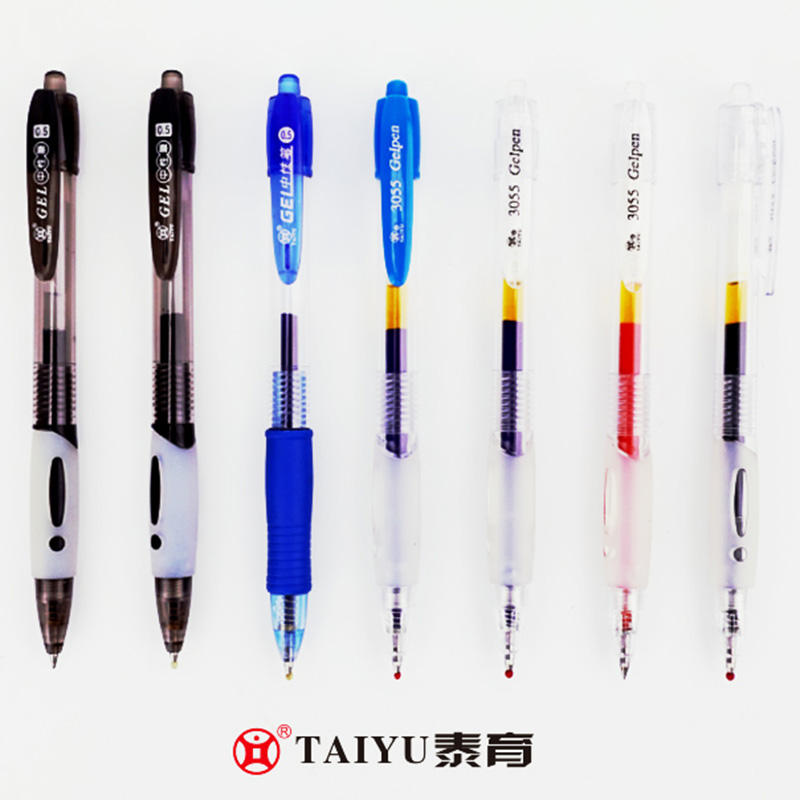
Office Use Pressing Gel Pen Simple Style Costomized Color Gel Pen 3055
-
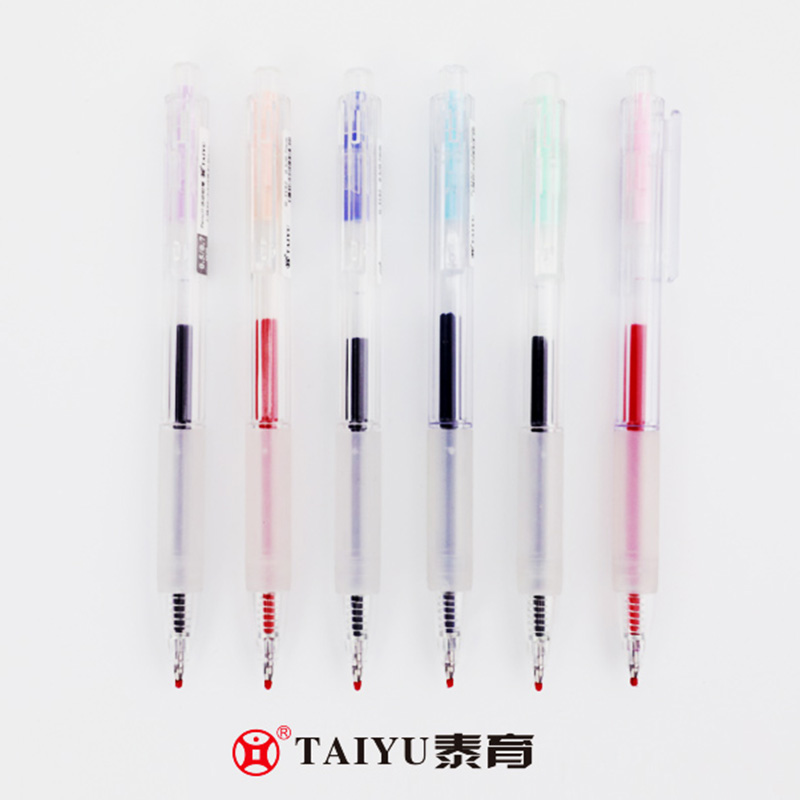
Student Use Gel Pen With Cap With Macaron Color Design Gel Pen 3192
-
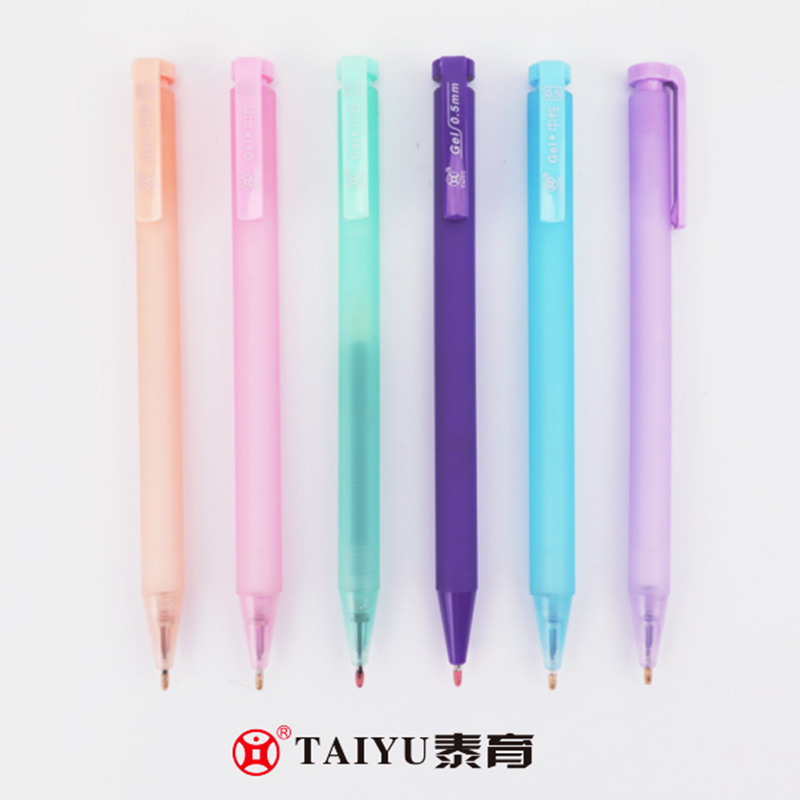
Students Use The Popular New Transparent Matte Designgel Gel Pen 3147A
-
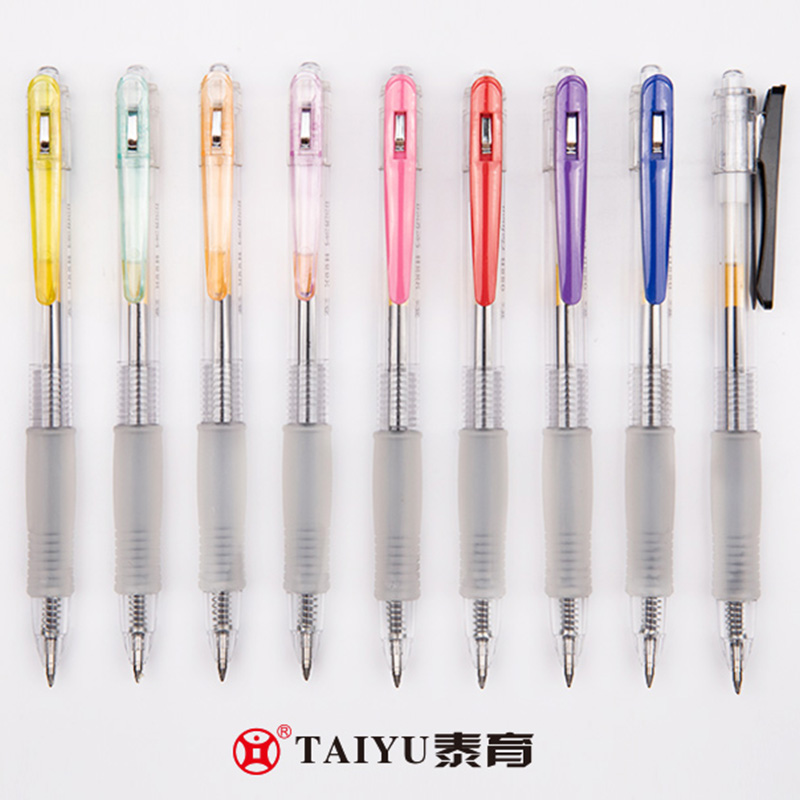
Student Use Pressing Gel Pen With Grip And Pen Holder For Comfortable Writing Gel Pen 988
-
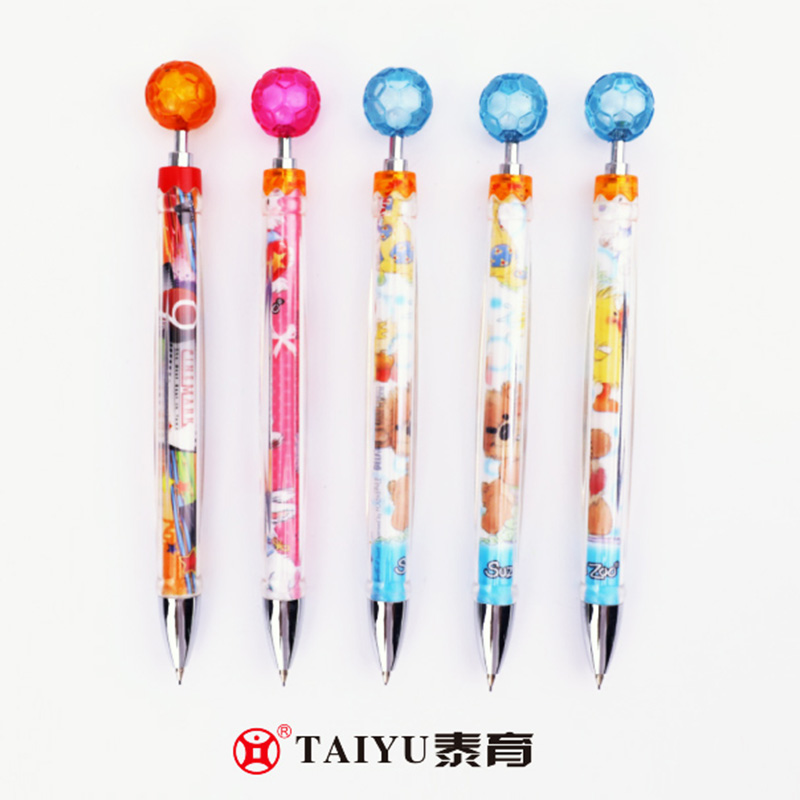
Student Use Mechanical Pencil With Cartoon Design And Colored Acrylic Pressing Head Mechanical Pencil 2140
-
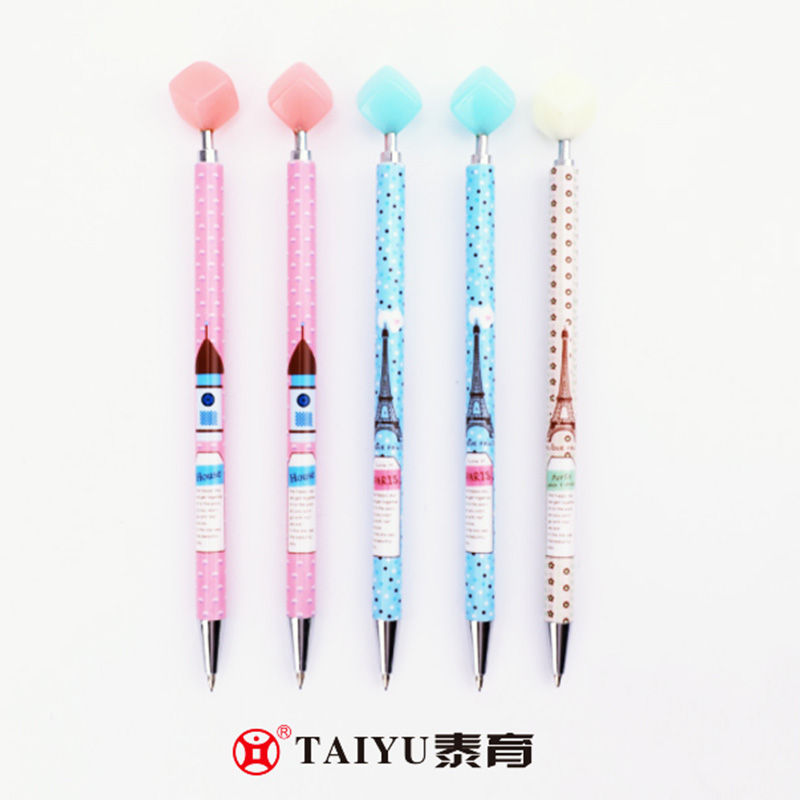
Student Use Mechanical Pencil With Popular And Selling Style Mechanical Pencil 2124
-
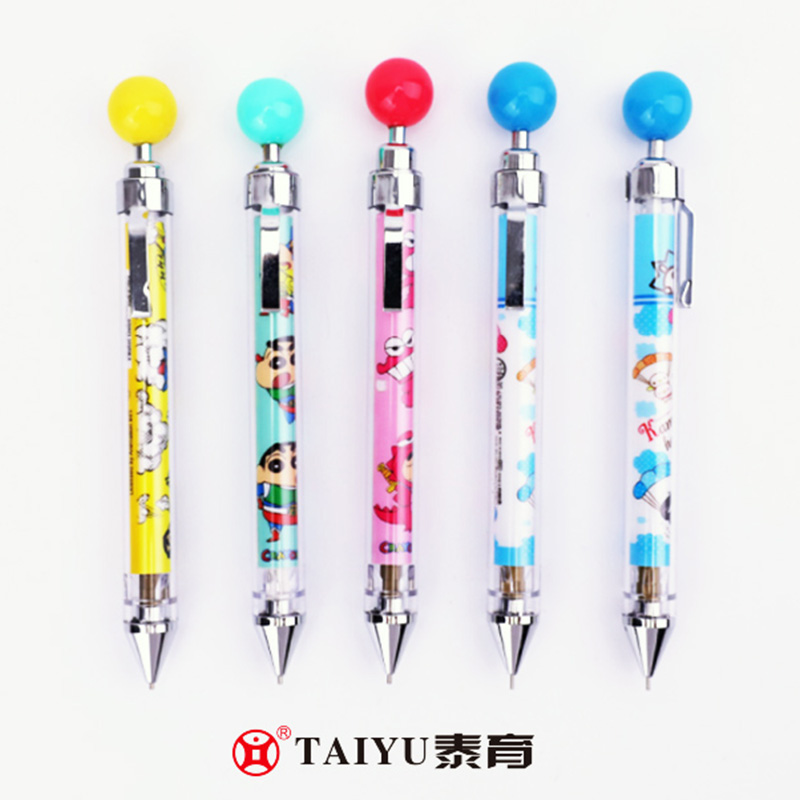
Student Use Mechanical Pencil With Metal Nib And Comfortable Writing Mechanical Pencil 2093
-
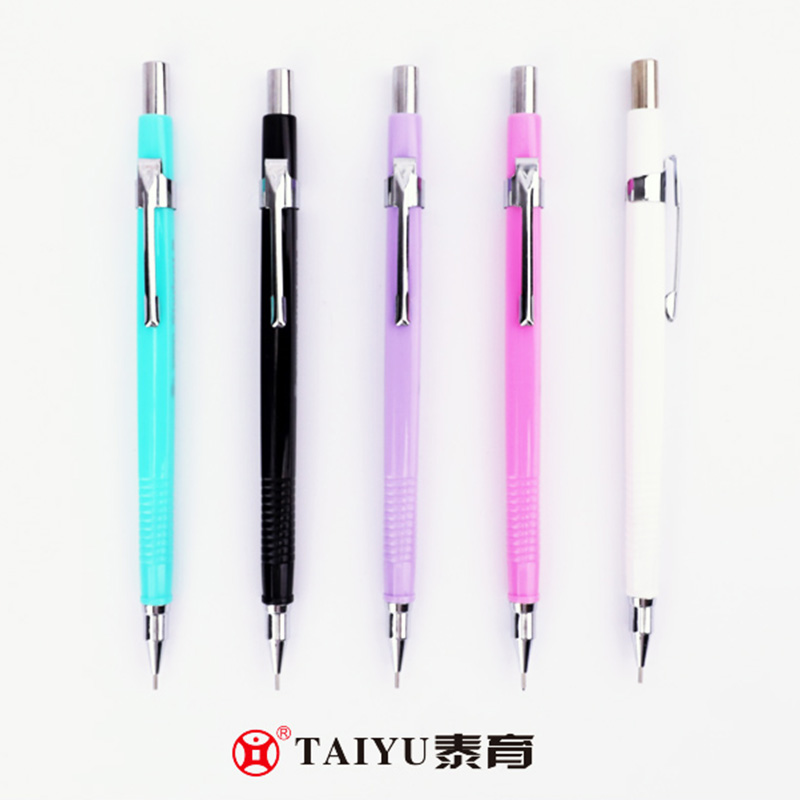
Students Use Mechanical Pencil With Metal Nib Costomized Color Mechanical Pencil 2000D

-
 +86-13056726165 (WeChat / WhatsApp)
-
 [email protected]
-
Hongkong office:RM03,24/F HoKing Comm CTR,2-16 Fayuen St,Mong Kok,HongKong,China
Tel:+852 62195386 Ningbo Factory:Guanhaiwei Industrial West Zone, Cixi, Zhejiang, China Tel:+86-0573-63630076


