


 English
 中文简体
中文简体 Español
How to Choose a Durable, Fade-Resistant Marker Pen
Content
- 1 Ink Type Determines Durability Performance
- 2 Key Conclusion
- 3 Nib Structure Affects Performance and Durability
- 4 Material Surface Determines Adhesion Performance
- 5 Key Indicators of Fade Resistance
- 6 Usage Scenarios and Selection Strategy
- 7 Conclusion: Core Logic for Choosing High-Durability Marker Pens
To choose a durable and fade-resistant marker pen, the core focus should be on “oil-based or acrylic ink + high lightfastness + waterproof structure + appropriate usage scenario.” In general, for long-term storage or outdoor environments, it is recommended to select ink systems with higher lightfast ratings and stronger adhesion (such as oil-based or acrylic-based inks). These can extend color retention under UV exposure by 2–5 times compared with standard water-based inks.
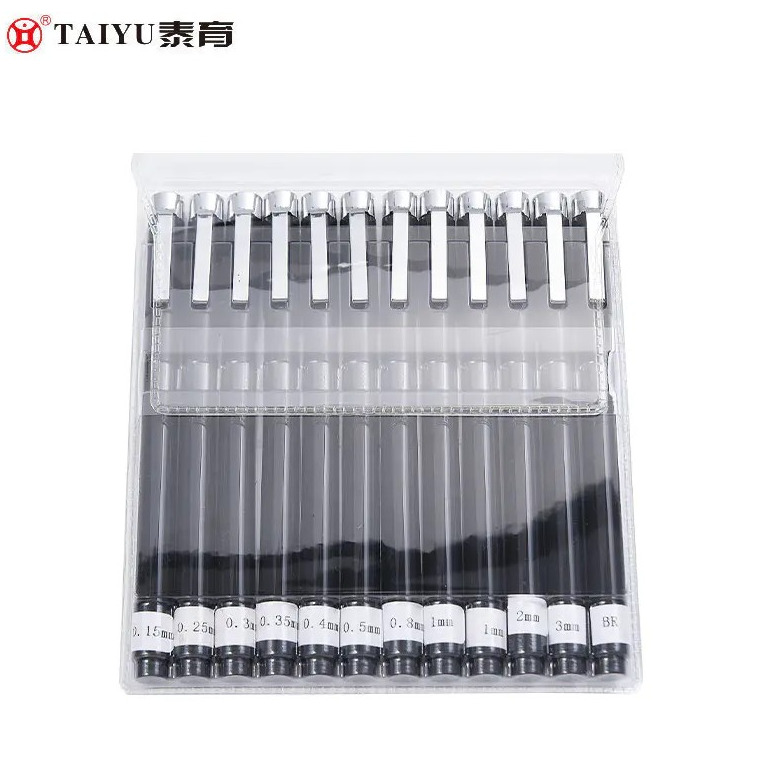
Ink Type Determines Durability Performance
Comparison of Water-Based, Oil-Based, and Acrylic Inks
Different ink types directly affect fading speed, adhesion, and material compatibility:
| Ink Type | Lightfastness | Water Resistance | Use Case | Features |
|---|---|---|---|---|
| Water-based ink | Low | Weak | Paper, journaling | Soft color, but fades easily over time |
| Oil-based ink | High | Strong | Metal, plastic, industrial marking | Strong adhesion and high durability |
| Acrylic ink | Very high | Very strong | Art creation, outdoor painting | Strong coverage, forms a protective film |
Key Conclusion
- For long-term outdoor use: prioritize oil-based or acrylic ink
- For short-term writing or notes: water-based ink is sufficient
- Fade resistance mainly depends on UV resistance performance
Nib Structure Affects Performance and Durability
Different Nib Types and Their Applications
Nib design determines line quality and ink output stability:
- Round nib: general writing and marking
- Chisel nib: posters and large-area coloring
- Fine nib: detailed drawing and precision work
- Wide flat nib: industrial marking and bold labeling
In general, wider nibs produce more ink output, while drying time increases by approximately 30%–80%.
Material Surface Determines Adhesion Performance
Recommended Ink Types for Different Surfaces
Different materials require matched ink types to avoid smudging or peeling:
| Compatibility Between Materials and Ink Types | ||
| Material | Recommended Ink | Result |
| Paper | Water-based / Acrylic | Fast absorption |
| Metal | Oil-based / Acrylic | Strong adhesion |
| Glass | Oil-based | Requires fast drying |
| Plastic | Oil-based / Acrylic | Scratch-resistant |
Key Indicators of Fade Resistance
How to Determine Fading Risk
Fade resistance mainly depends on three factors:
- Lightfast rating (1–8 scale; higher is better)
- Pigment concentration (more stable than dye-based inks)
- Curing structure (whether a protective film is formed)
Performance under UV exposure:
- Water-based ink: noticeable fading in 2–4 weeks
- Oil-based ink: stable for 2–3 months
- Acrylic ink: lasts 6+ months
Usage Scenarios and Selection Strategy
Best Choice for Different Needs
Selecting based on use case significantly improves performance:
- Journaling & illustration: water-based or acrylic inks
- Industrial marking: oil-based (durable and waterproof)
- Advertising posters: wide-tip acrylic (high coverage)
- Outdoor signage: high lightfast oil-based or acrylic inks
Conclusion: Core Logic for Choosing High-Durability Marker Pens
Simple Rule of Thumb
If you only remember one principle: “oil-based or acrylic ink + high lightfastness + material matching + appropriate nib type”, you can cover most scenarios requiring durable marker pens.
LATEST POST
Let’s create something amazing together
contact usFeatured Products
-
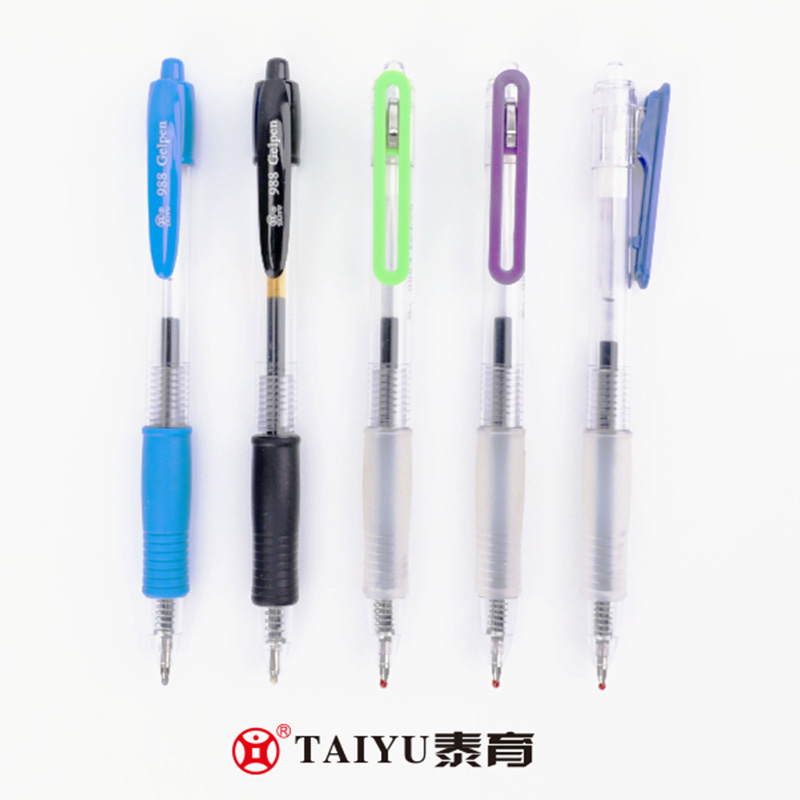
Office Use Gel Pen With Rubber And Flexible Clip Costomized Color Gel Pen 988
-
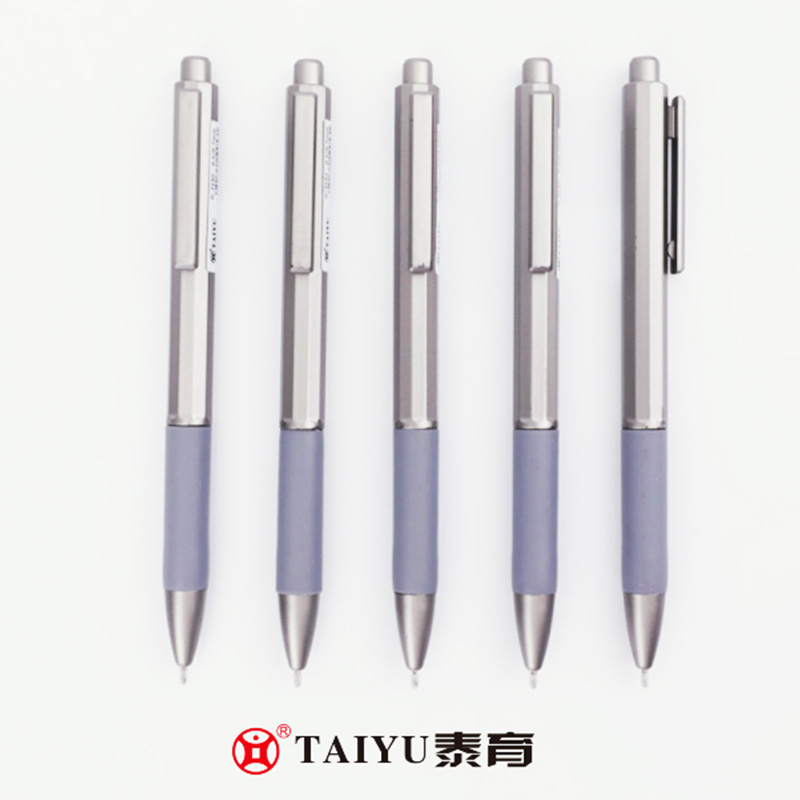
Office Use Gel Pen With Rubber Costomized Color Gel Pen 3192
-
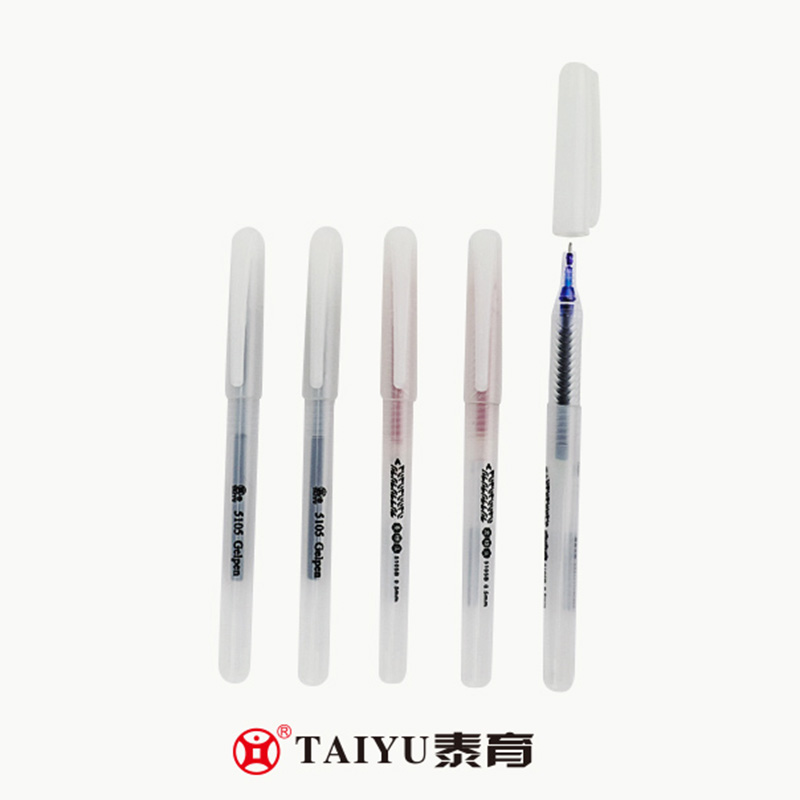
Student Use Gel Pen With Cap Costomized Color Gel Pen 5015
-
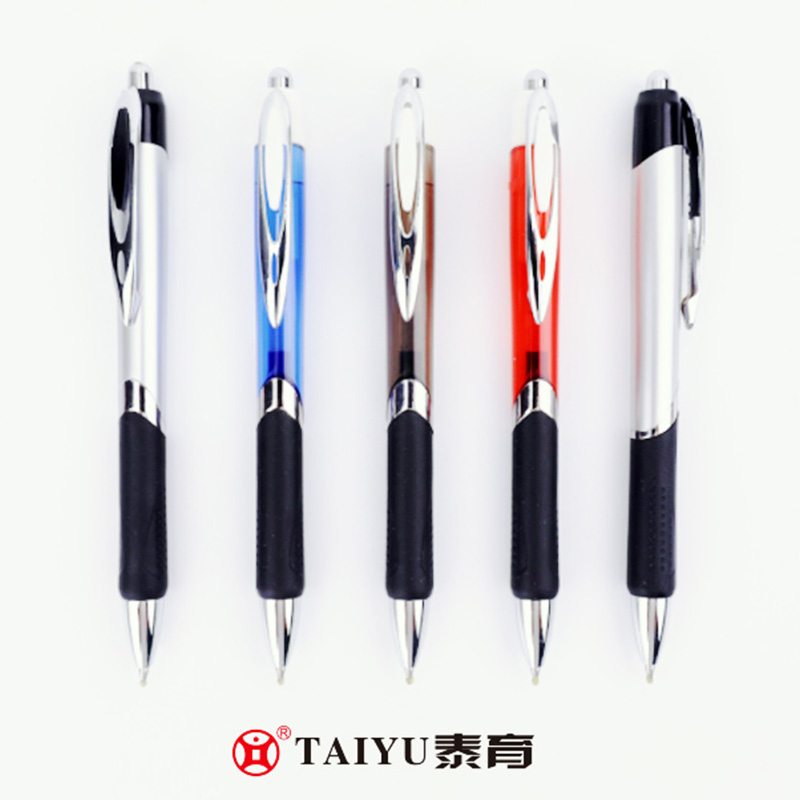
Office Use Gel Pen Designs With Grip And Write Smoothly Gel Pen 3166
-
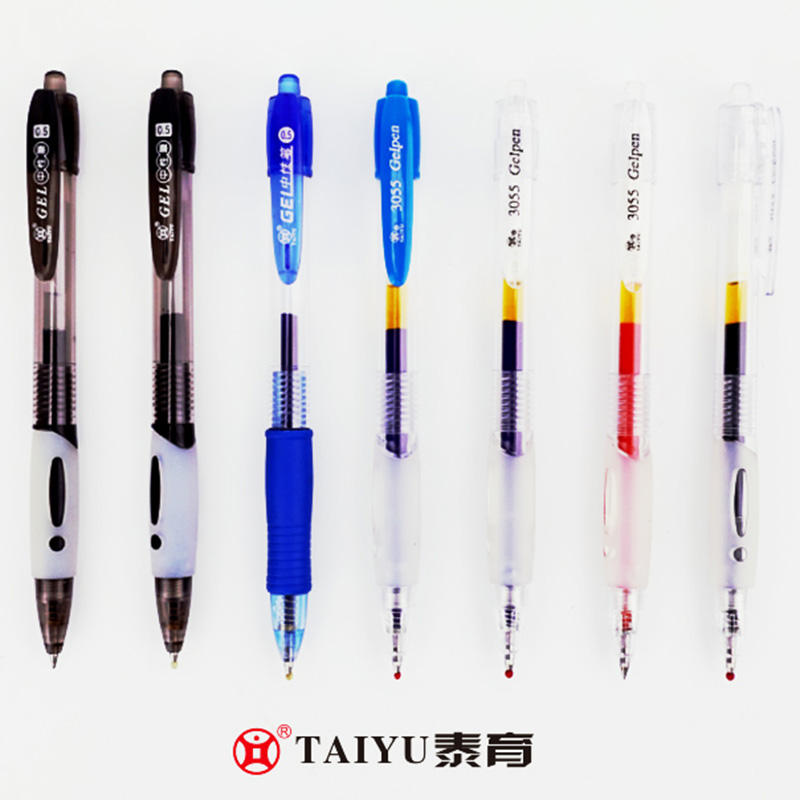
Office Use Pressing Gel Pen Simple Style Costomized Color Gel Pen 3055
-
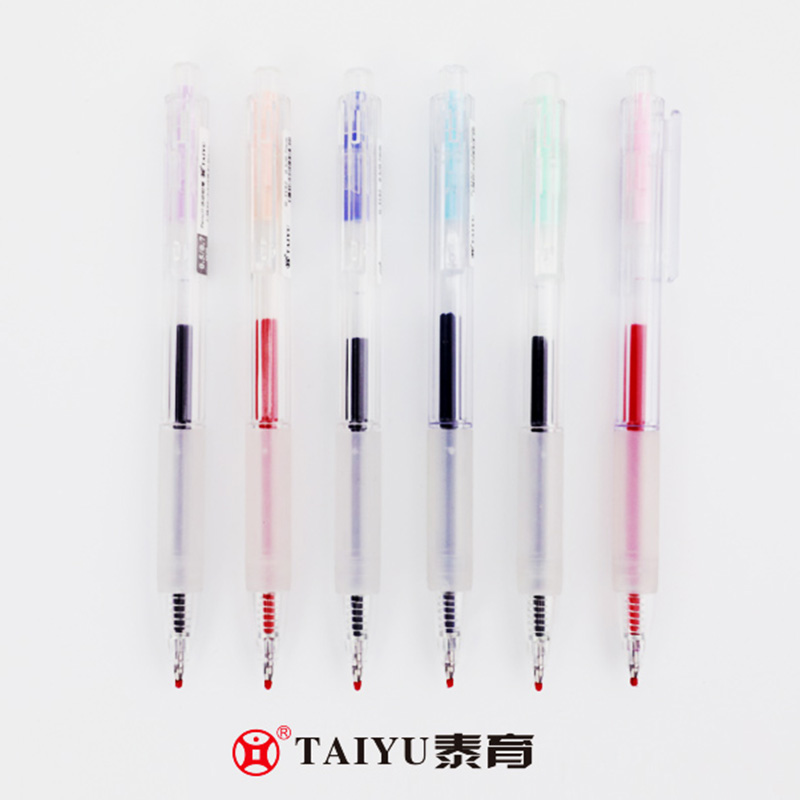
Student Use Gel Pen With Cap With Macaron Color Design Gel Pen 3192
-
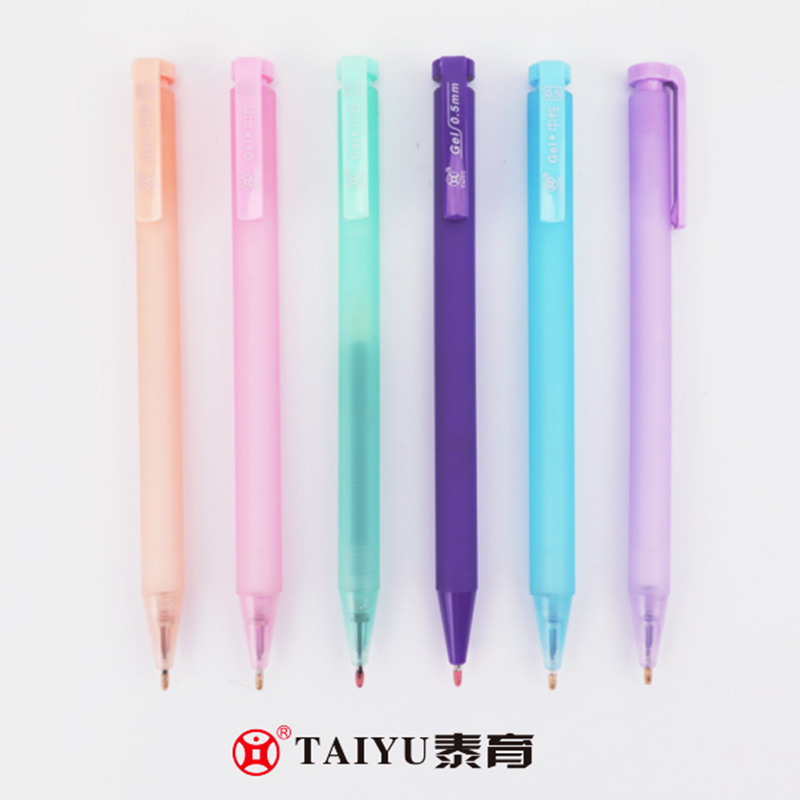
Students Use The Popular New Transparent Matte Designgel Gel Pen 3147A
-
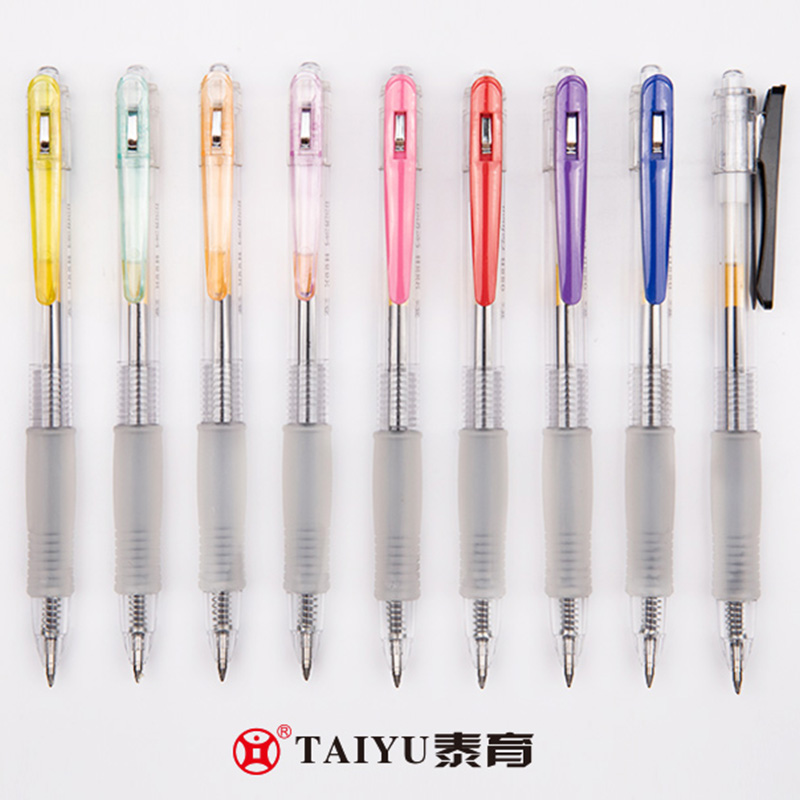
Student Use Pressing Gel Pen With Grip And Pen Holder For Comfortable Writing Gel Pen 988
-
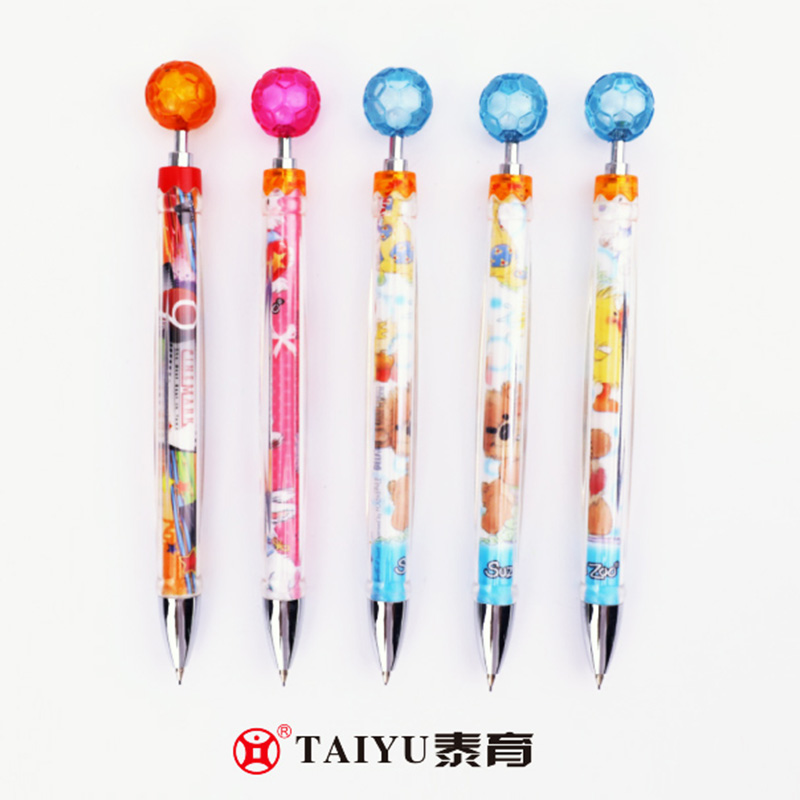
Student Use Mechanical Pencil With Cartoon Design And Colored Acrylic Pressing Head Mechanical Pencil 2140
-
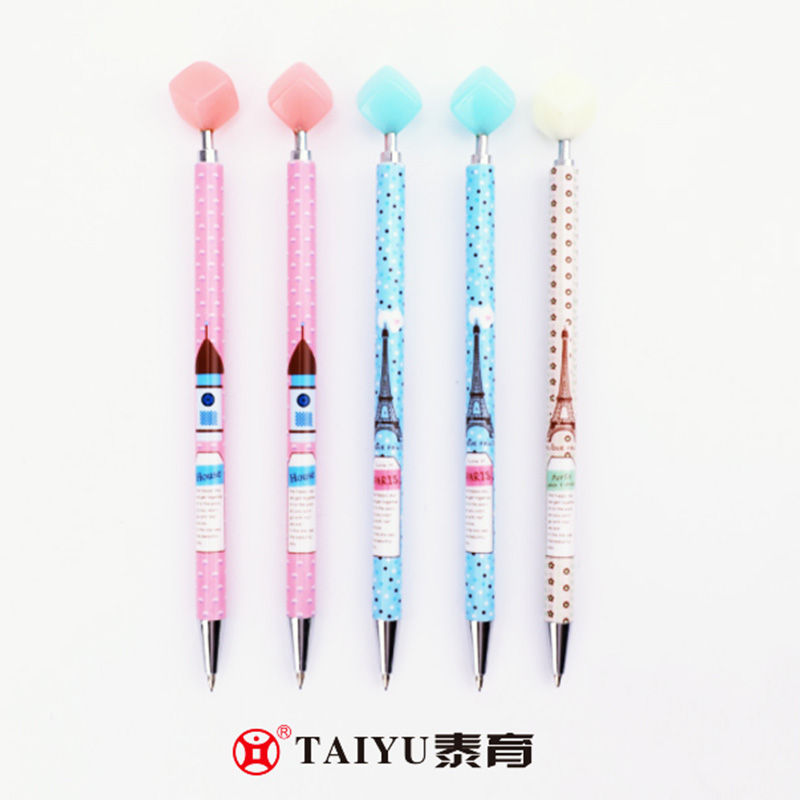
Student Use Mechanical Pencil With Popular And Selling Style Mechanical Pencil 2124
-
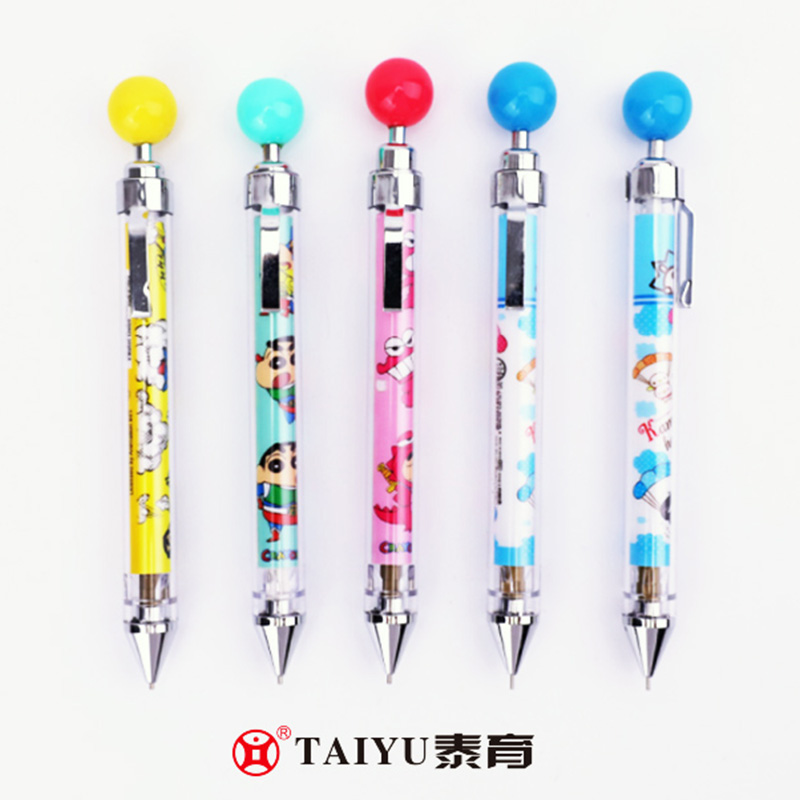
Student Use Mechanical Pencil With Metal Nib And Comfortable Writing Mechanical Pencil 2093
-
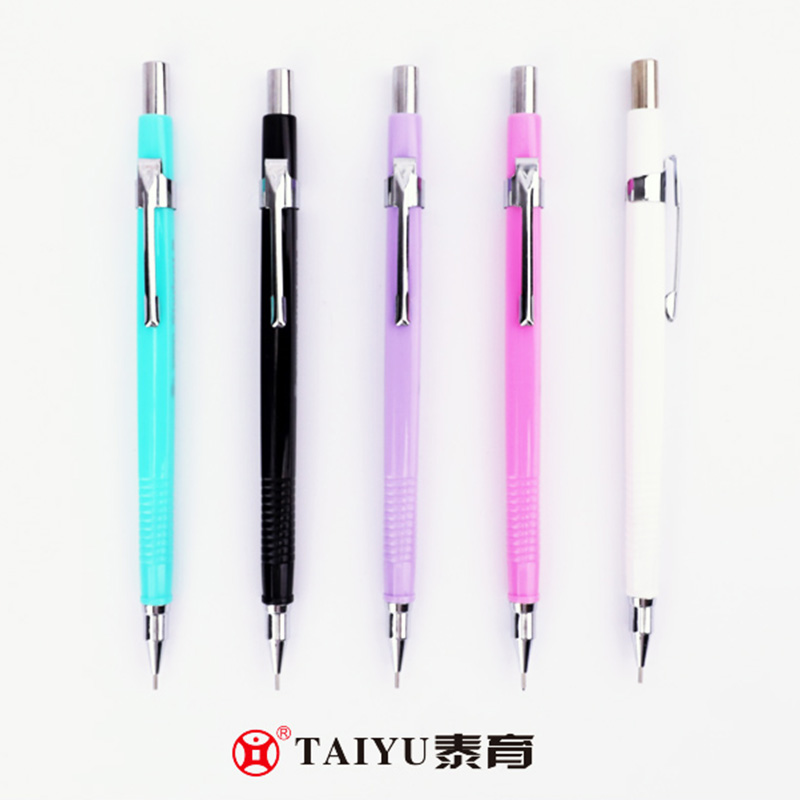
Students Use Mechanical Pencil With Metal Nib Costomized Color Mechanical Pencil 2000D

-
 +86-13056726165 (WeChat / WhatsApp)
-
 [email protected]
-
Hongkong office:RM03,24/F HoKing Comm CTR,2-16 Fayuen St,Mong Kok,HongKong,China
Tel:+852 62195386 Ningbo Factory:Guanhaiwei Industrial West Zone, Cixi, Zhejiang, China Tel:+86-0573-63630076


