


 English
 中文简体
中文简体 Español
What types of markers are there?
Content
- 1 I. Differentiation by Ink Solvent: Water-based vs. Oil-based Markers
- 2 II. Differentiated by Tip Shape and Function: Professional vs. Everyday Use
- 3 III. Key Factors in Choosing Markers
- 4 Marker Types FAQ
- 5 Q1: What is the biggest difference between water-based and oil-based markers?
- 6 Q2: What is a highlighter? What type of marker is it?
- 7 Q3: Why are whiteboard markers usually water-based?
- 8 Q4: What are the main applications of professional marker pens?
- 9 Q5: Which type of marker should I choose if I want to make permanent marks on plastic or metal?
Marker pens are one of our most indispensable tools in learning, office work, and creative design. But did you know that the variety of markers on the market is far richer than you imagine? From everyday highlighting to professional coloring, different types of markers differ greatly in function, ink composition, and usage scenarios.
I. Differentiation by Ink Solvent: Water-based vs. Oil-based Markers
The core basis for classifying markers is their ink solvent, which directly determines their characteristics and uses.
1. Water-based Markers
Characteristics: The ink uses water as a solvent, resulting in generally softer colors. They are non-toxic and odorless. Their biggest advantage is that they are erasable (if used on non-porous surfaces such as whiteboards) and do not bleed through paper, causing minimal damage.
Uses: Highlighting pens are the most common type of water-based marker, primarily used for highlighting information in textbooks and documents. In addition, many colored pencils and children's drawing markers are also water-based.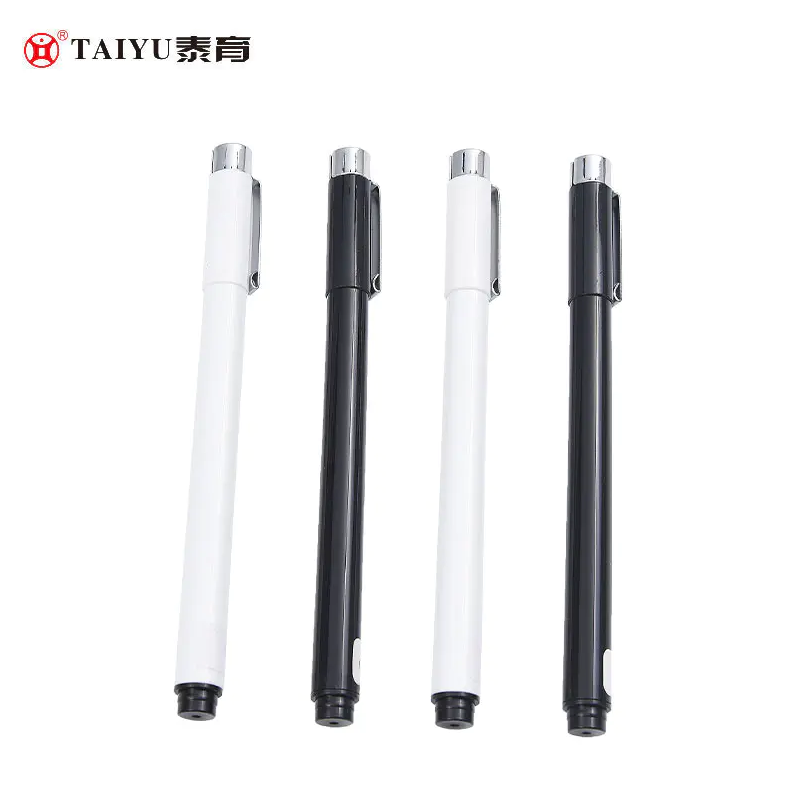
2. Oil-Based/Permanent Markers
Characteristics: The ink is based on organic solvents such as alcohols and ketones, featuring quick-drying, waterproof, and abrasion-resistant properties. The colors are vibrant and highly saturated. Once marked, they are difficult to remove and can adhere to almost any surface (such as glass, metal, plastic, and wood).
Uses: Suitable for industrial marking, logistics labels, CD/DVD marking, and professional hand-drawing and doodling where waterproofing and durability are required. Permanent markers are synonymous with this type.
II. Differentiated by Tip Shape and Function: Professional vs. Everyday Use
Besides the ink solvent, the design of the marker tip also defines its usage scenarios and functions:
Highlighter
Featuring an angled/chisel-shaped tip design, designed specifically for highlighting key points. Its main applications are emphasizing and marking important documents and textbook content in study and office settings. It is the most common type of highlighter used for highlighting.
Whiteboard Marker
Typically uses a round or chisel-shaped nib and is filled with water-based erasable ink. Its main function is to write on whiteboards in meeting equipment and teaching settings, providing convenient and erasable writing.
Art Marker
Professional markers are mostly oil-based and often feature a dual-ended design (one wide end for large areas of coloring, and one fine end for detailed outlining). They are primarily used in art design, comic book creation, architectural rendering, and professional hand-drawing, making them an indispensable design tool.
Fine Liner
Features an ultra-fine nib (e.g., 0.3 mm or finer), and the ink is typically long-lasting and stable. Suitable for fine outlining, detailing, and scenarios requiring delicate writing, such as line art for illustrations or small print in notes.
Industrial Marker
These markers have robust nibs, and the ink is heat-resistant, corrosion-resistant, and has strong adhesion. Special-purpose marking suitable for harsh industrial environments such as metal, glass, and tires, ensuring information lasts without fading.
Tip: As a manufacturer of glass for conference equipment, we've found that many corporate clients prefer environmentally friendly, odorless, and easy-to-erase water-based markers when choosing whiteboard markers to ensure the cleanliness and high clarity of the glass surfaces of conference equipment (such as touchscreens and electronic whiteboards).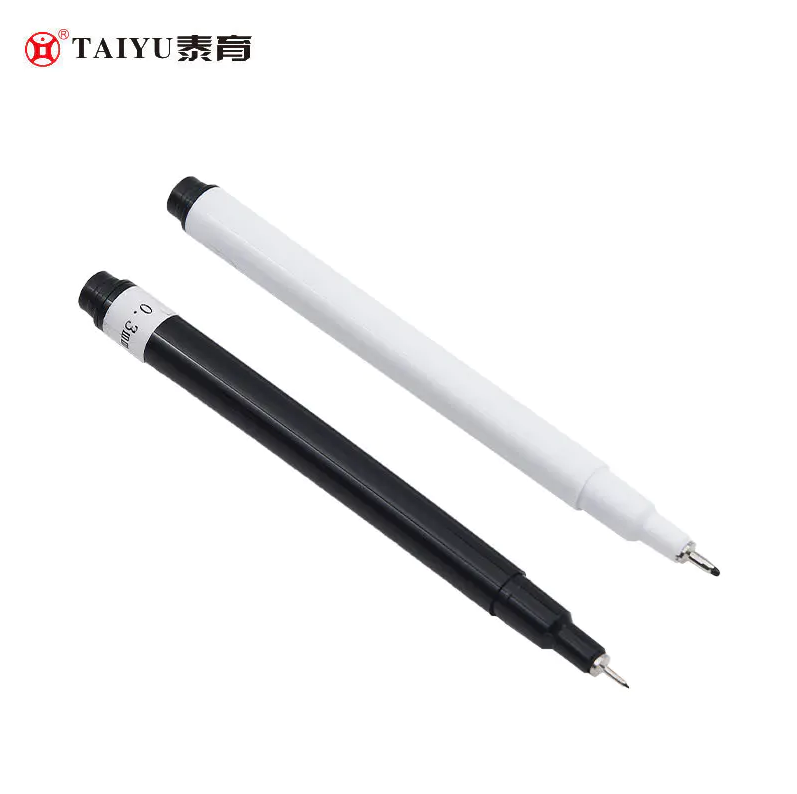
III. Key Factors in Choosing Markers
When purchasing markers, please remember the following key points:
- Purpose Determines Everything: Is it for document marking (choose highlighters), permanent marking (choose oil-based markers), or drawing (choose markers)?
- Material Compatibility: Check whether the marker adheres effectively or is easily erased from the media you need (paper, plastic, glass, electronic educational devices).
- Safety: Especially for colored markers used by children, choose water-based products that meet safety standards and are non-toxic and odorless.
From simple highlighters to professional oil-based markers, each type of marker has its unique value. Understanding these marker types can help you complete your work and create more effectively. Choosing the right marker makes your communication and creative expression clearer and more powerful!
Marker Types FAQ
Q1: What is the biggest difference between water-based and oil-based markers?
A: Water-based markers (such as highlighters) use water as a solvent, are usually erasable, odorless, and suitable for marking paper. Oil-based markers are based on organic solvents, are waterproof, highly permanent, and can adhere to various surfaces such as glass and metal.
Q2: What is a highlighter? What type of marker is it?
A: A highlighter is a special type of marker mainly used for highlighting. It is usually a water-based marker, characterized by its semi-transparent color and non-permeable nature.
Q3: Why are whiteboard markers usually water-based?
A: Whiteboard markers are usually water-based to ensure that the ink can be easily erased from the surface of meeting equipment (such as whiteboards and touchscreen glass), keeping the equipment clean.
Q4: What are the main applications of professional marker pens?
A: Professional marker pens are typically oil-based and are primarily used in fields requiring detailed coloring and drawing, such as art design, comics, and architectural rendering.
Q5: Which type of marker should I choose if I want to make permanent marks on plastic or metal?
A: You should choose an oil-based marker (or a permanent marker). These are waterproof and have strong adhesion, ensuring that the marks are difficult to remove from non-porous surfaces.
LATEST POST
Let’s create something amazing together
contact usFeatured Products
-
Office Use Gel Pen With Rubber And Flexible Clip Costomized Color Gel Pen 988
-
Office Use Gel Pen With Rubber Costomized Color Gel Pen 3192
-
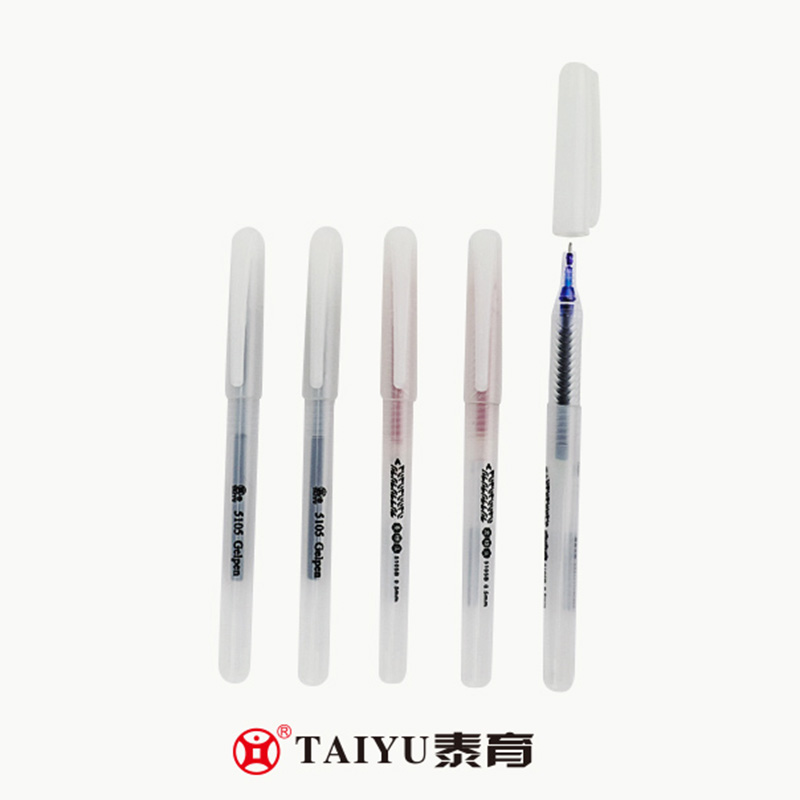
Student Use Gel Pen With Cap Costomized Color Gel Pen 5015
-
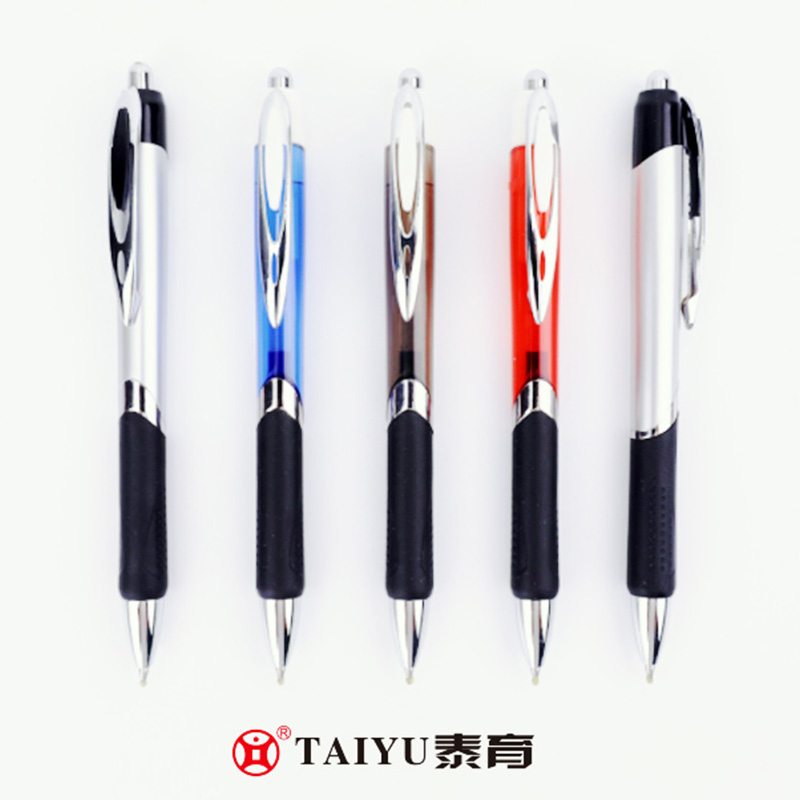
Office Use Gel Pen Designs With Grip And Write Smoothly Gel Pen 3166
-
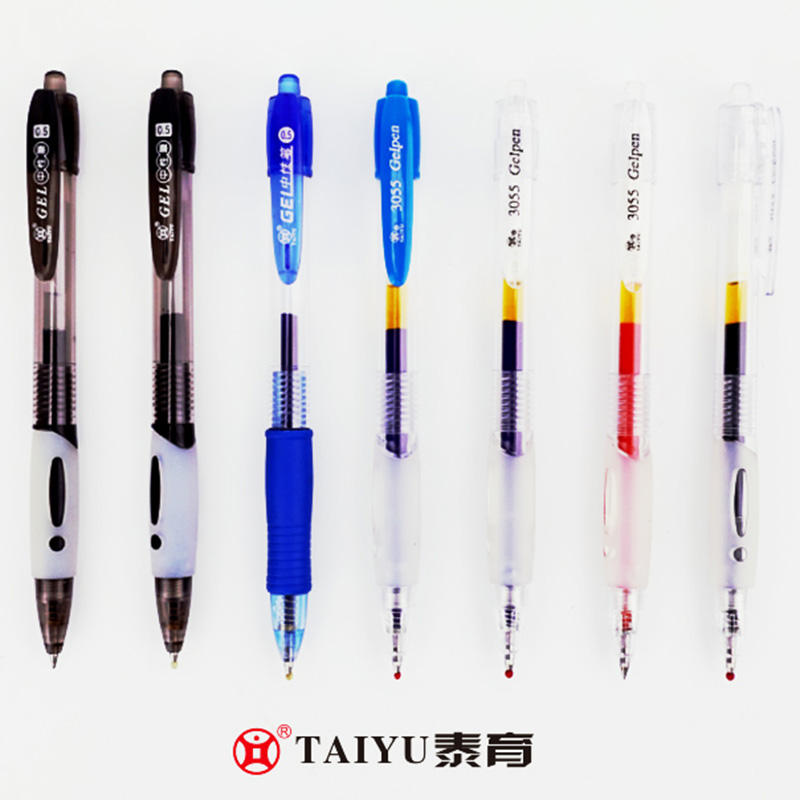
Office Use Pressing Gel Pen Simple Style Costomized Color Gel Pen 3055
-
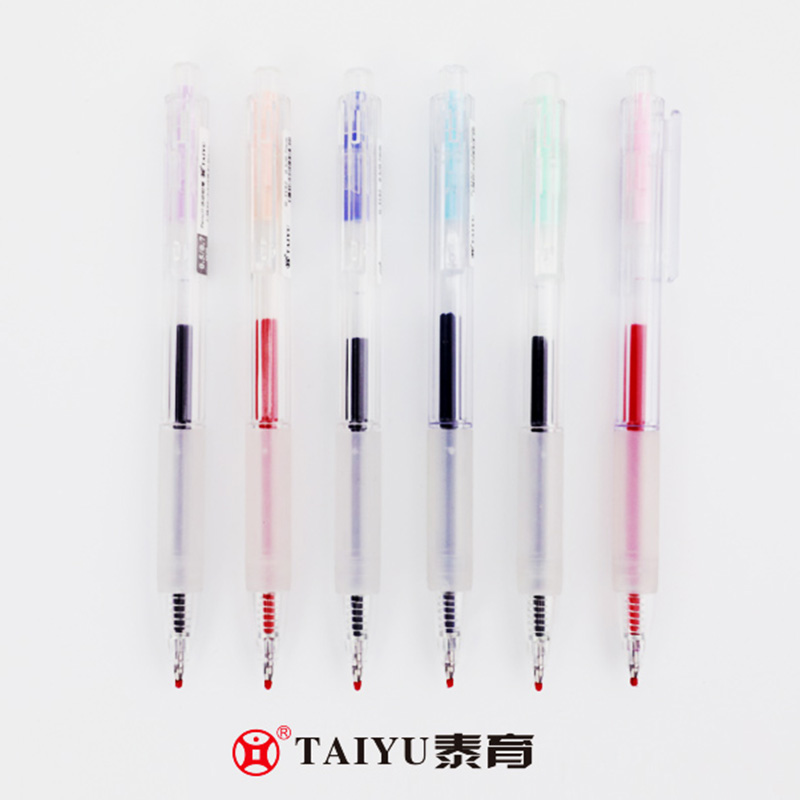
Student Use Gel Pen With Cap With Macaron Color Design Gel Pen 3192
-
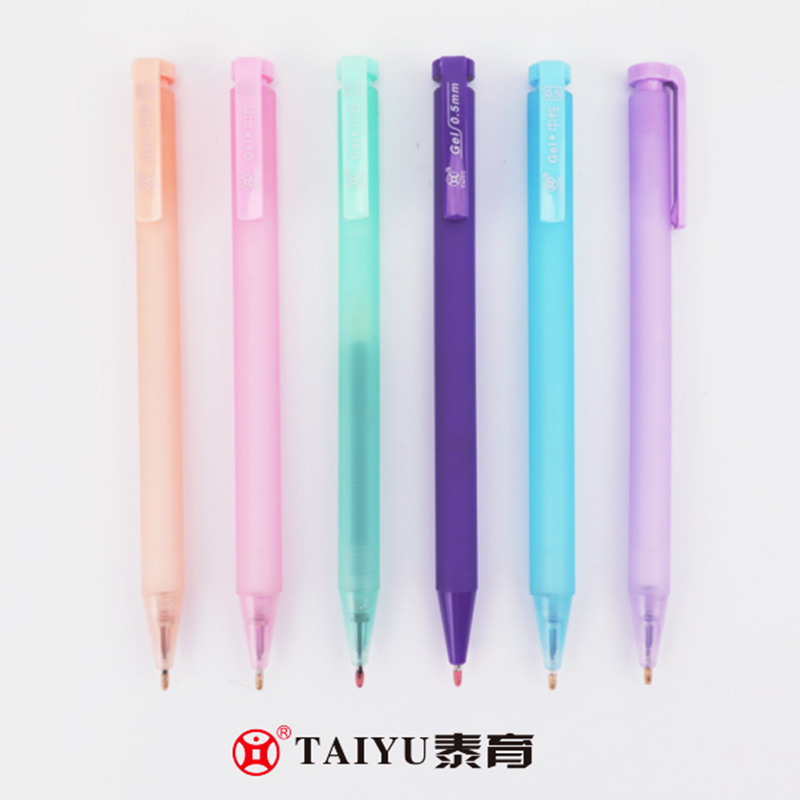
Students Use The Popular New Transparent Matte Designgel Gel Pen 3147A
-
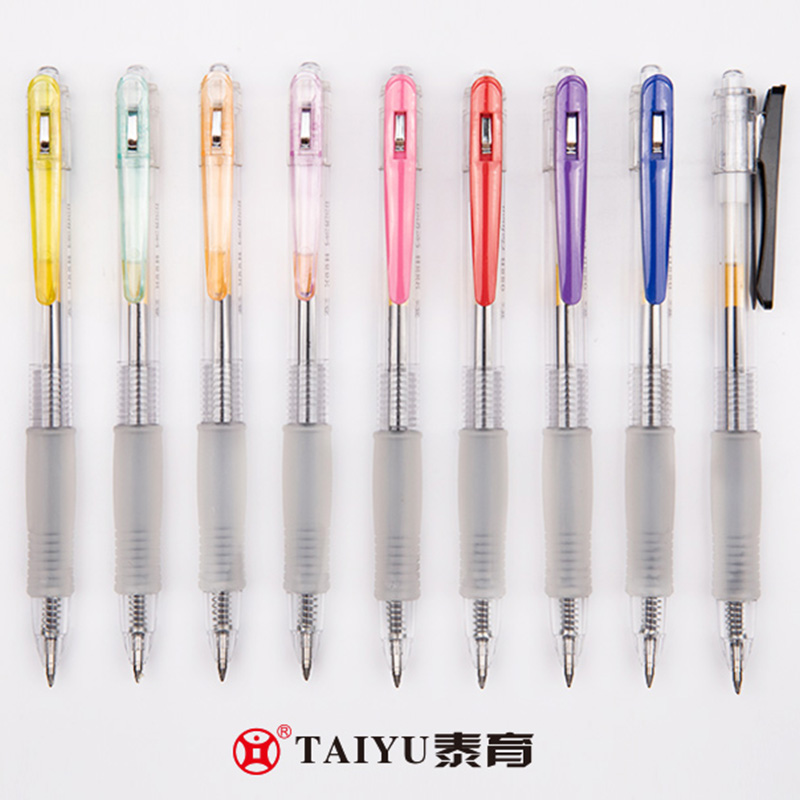
Student Use Pressing Gel Pen With Grip And Pen Holder For Comfortable Writing Gel Pen 988
-
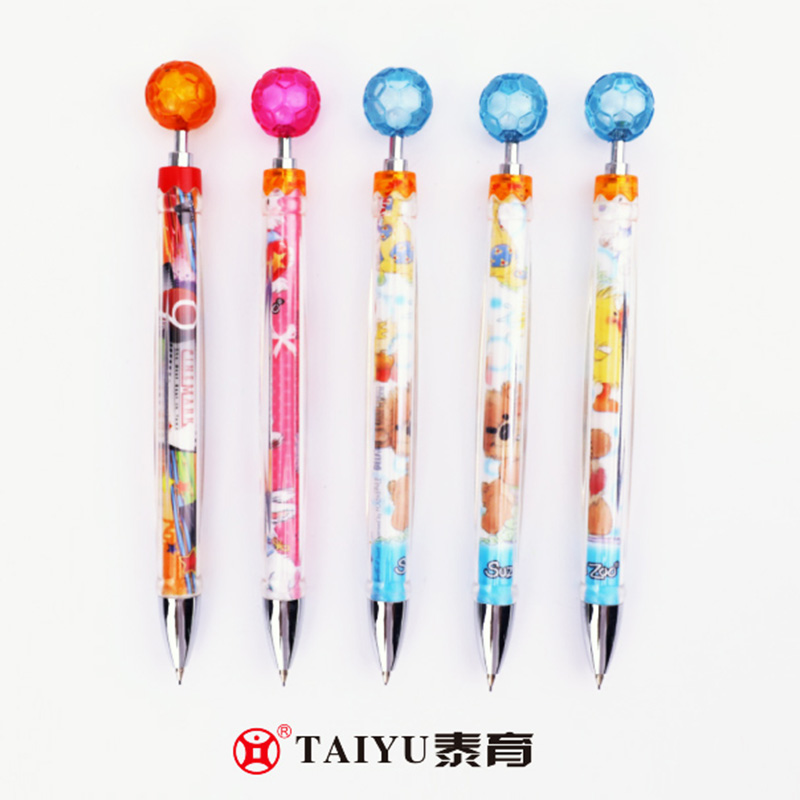
Student Use Mechanical Pencil With Cartoon Design And Colored Acrylic Pressing Head Mechanical Pencil 2140
-
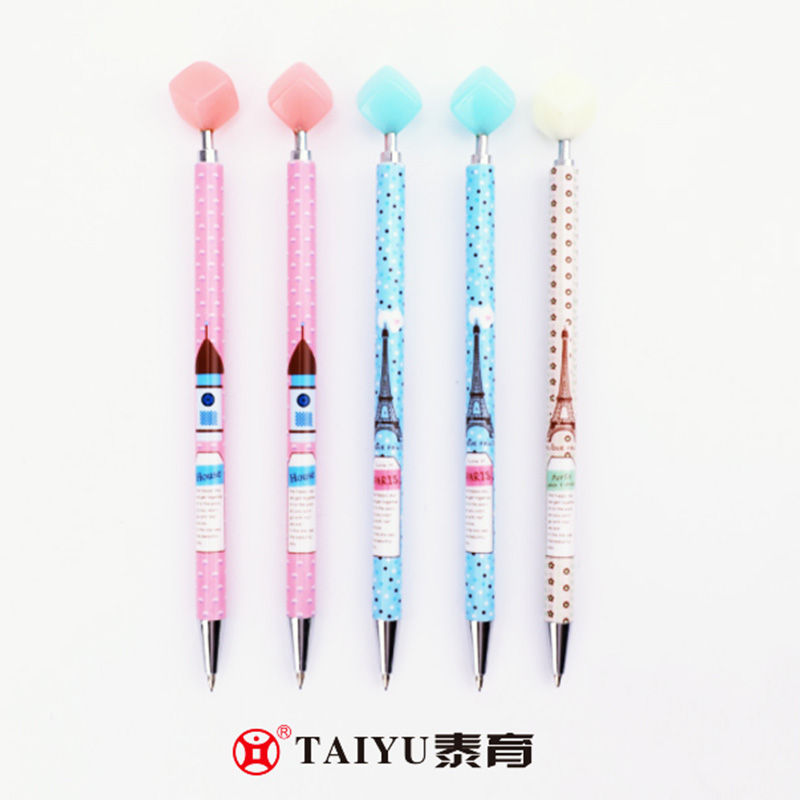
Student Use Mechanical Pencil With Popular And Selling Style Mechanical Pencil 2124
-
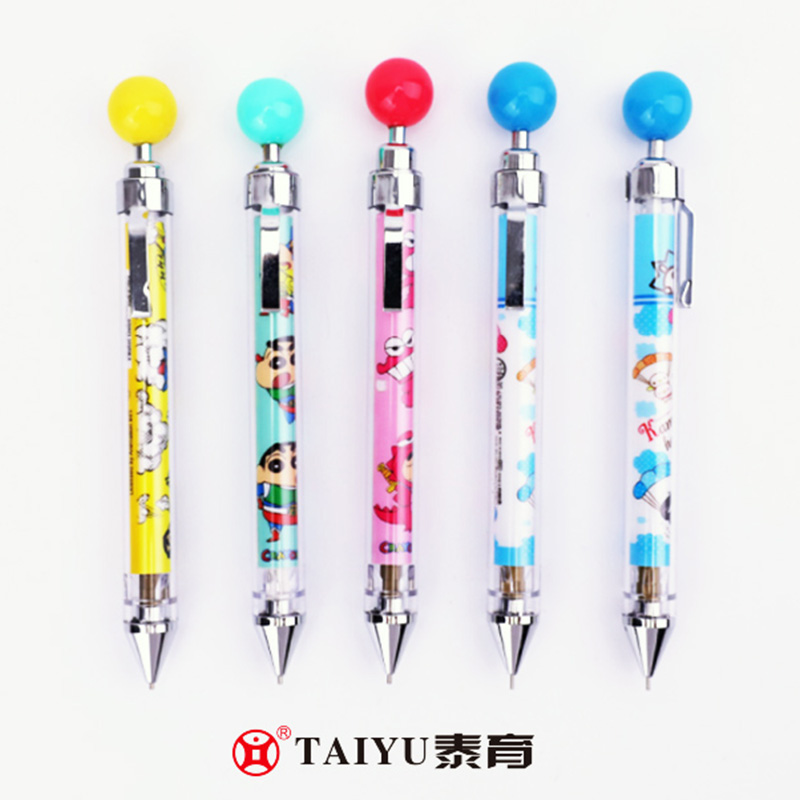
Student Use Mechanical Pencil With Metal Nib And Comfortable Writing Mechanical Pencil 2093
-
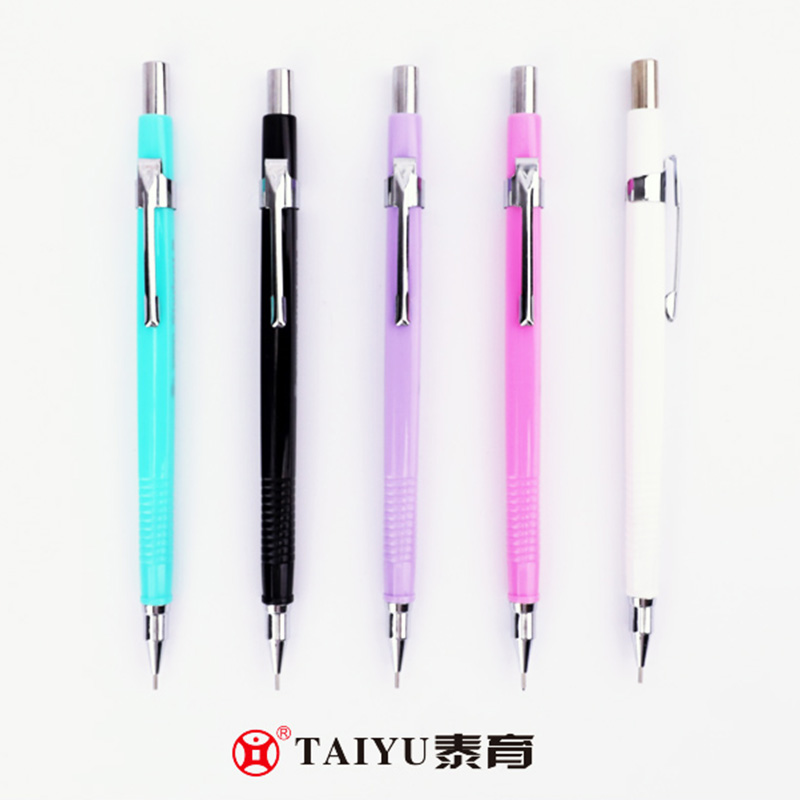
Students Use Mechanical Pencil With Metal Nib Costomized Color Mechanical Pencil 2000D

-
 +86-13056726165 (WeChat / WhatsApp)
-
 [email protected]
-
Hongkong office:RM03,24/F HoKing Comm CTR,2-16 Fayuen St,Mong Kok,HongKong,China
Tel:+852 62195386 Ningbo Factory:Guanhaiwei Industrial West Zone, Cixi, Zhejiang, China Tel:+86-0573-63630076


