


 English
 中文简体
中文简体 Español
Which highlighter color is best for marking up text while reading?
Content
Highlighters are almost an essential stationery item for everyone when studying, preparing for exams, or reading in depth. Faced with the dazzling array of colors in stationery stores, have you ever struggled with which highlighter color best improves memory efficiency? Which color is most harmful to the eyes?
I. Why is the choice of highlighter color so important?
The core function of highlighters is "visual guidance." By using highly saturated colors to make specific text stand out from black text on white paper, it activates the brain's attention mechanisms. However, inappropriate color choices can lead to visual fatigue or even have the opposite effect.
II. Analysis of the advantages and disadvantages of popular highlighter colors
1. Yellow: The recognized "gold standard"
Yellow highlighter is the best-selling color globally.
Advantages: Yellow is in the center of the visible spectrum, to which the human eye is most sensitive. It attracts attention without being glaring, and usually does not leave dark shadows when photocopying or scanning.
Suitable scenarios: Marking large blocks of text, initial reading.
2. Green: Focus and Tranquility
Green is often associated with nature and balance.
Advantages: Green can relieve eye strain and improve psychological comfort while reading.
Suitable Scenarios: Long periods of study, labeling definitions and concepts.
3. Orange and Red: Warning and Core Values
These two colors are warm tones with a strong impact.
Advantages: Quickly stimulates the brain's alertness.
Disadvantages: Overly strong red may obscure black text, reducing readability; prolonged staring can easily cause visual anxiety.
Suitable Scenarios: Exam countdowns, extremely important core formulas, or deadlines.
4. Blue and Purple: Calm but Cautious
Advantages: Gives a sense of composure and calmness.
Disadvantages: Dark blue or purple highlighters are quite dark and can easily obscure the original text; their visibility is low in low light.
Suitable Scenarios: Supplementary explanations, categorizing secondary information.
III. How to Build an Efficient "Highlighter Color Coding System"?
To maximize learning effectiveness, it's recommended to avoid random highlighting and instead assign a specific logical function to each color of highlighter. Here's a scientifically validated color allocation scheme:
- Yellow Highlighter: Used to highlight core ideas and keywords. As the most visually striking color, yellow should be used specifically to outline the "skeleton" of an article. By highlighting core keywords, you can quickly locate information and grasp the central idea of a passage at a glance during review.
- Green Highlighter: Used to highlight definitions and terminology. Green promotes understanding and soothes emotions. Highlighting obscure technical terms or conceptual definitions in green helps build a "knowledge base" in your brain and maintains mental calm and focus during long reading sessions.
- Pink or Orange Highlighter: Used to highlight cases, evidence, and warnings. These highly saturated warm colors are highly alert. They are best suited for marking supporting cases, experimental data, or frequently tested pitfalls emphasized by teachers. This color quickly alerts the brain, ensuring you don't miss crucial details.
- Blue Highlighter: Used to highlight tasks and difficult questions. Blue represents calmness and reflection. During reading, if you encounter difficult points that you can't understand immediately, or areas that require further research, use blue ink to distinguish them. This helps prevent confusion with already mastered knowledge and makes it easier to tackle them later.

IV. What else should you pay attention to when buying highlighters?
Besides color, a high-quality highlighter should also have the following characteristics:
- Even ink flow: Avoids bleed-through.
- Quick drying: Prevents smudging the page with your hands.
- Tilt design: A chisel tip is suitable for large areas of coverage, while a round tip is suitable for outlining.
Yellow remains the most scientific and versatile choice for marking up reading materials, but only by using multiple colors in a logical system can the highlighter truly play its role in knowledge internalization.
LATEST POST
Let’s create something amazing together
contact usFeatured Products
-
Office Use Gel Pen With Rubber And Flexible Clip Costomized Color Gel Pen 988
-
Office Use Gel Pen With Rubber Costomized Color Gel Pen 3192
-
Student Use Gel Pen With Cap Costomized Color Gel Pen 5015
-
Office Use Gel Pen Designs With Grip And Write Smoothly Gel Pen 3166
-
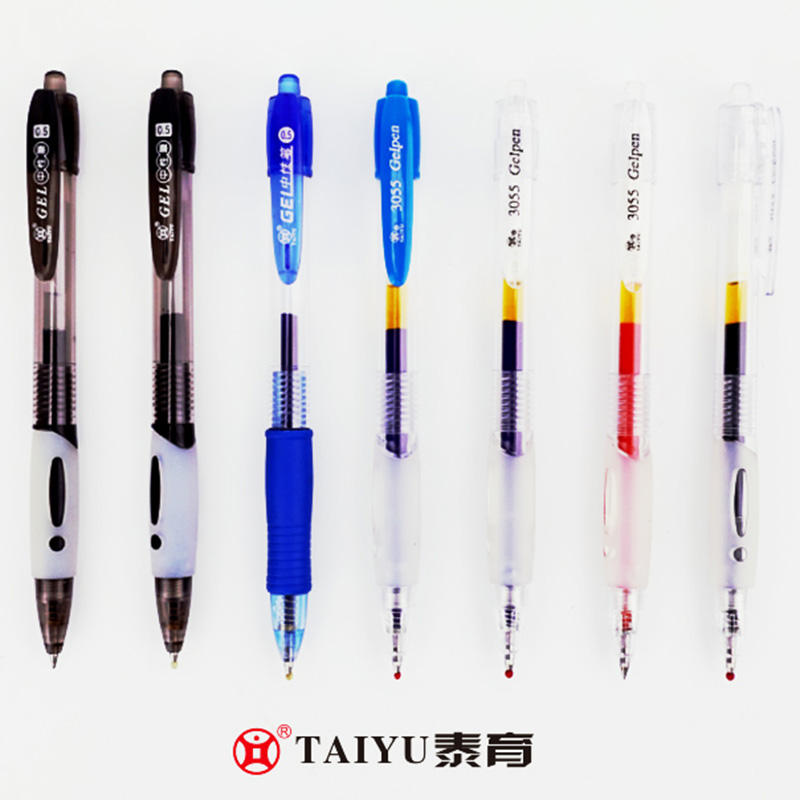
Office Use Pressing Gel Pen Simple Style Costomized Color Gel Pen 3055
-
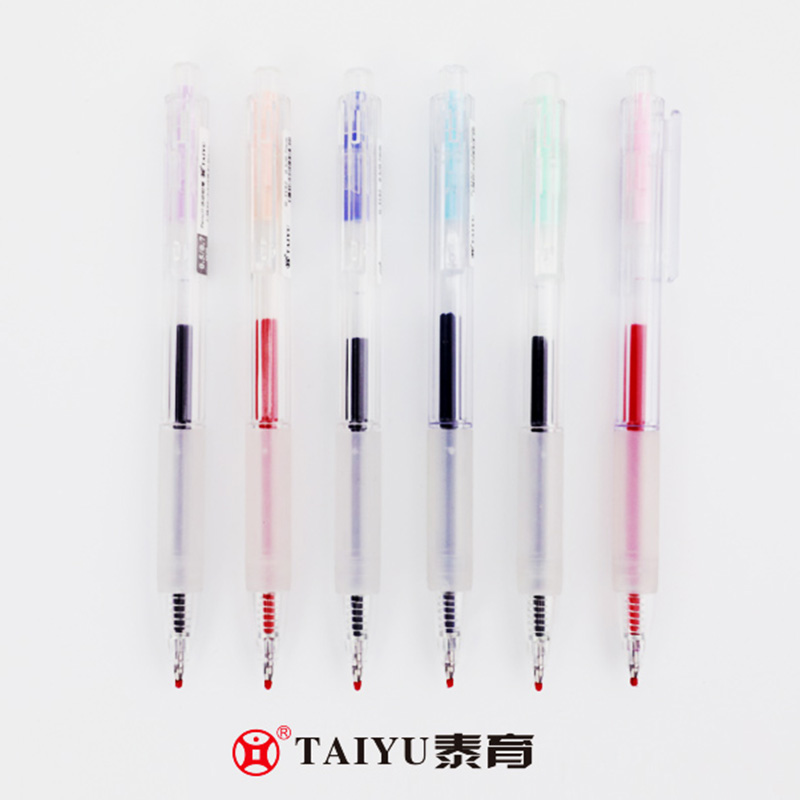
Student Use Gel Pen With Cap With Macaron Color Design Gel Pen 3192
-
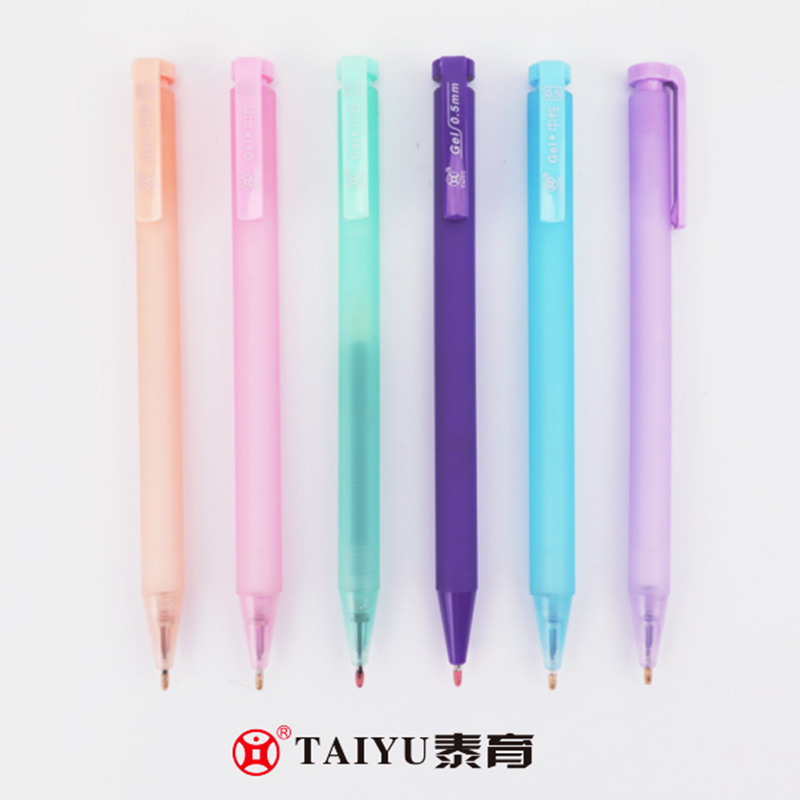
Students Use The Popular New Transparent Matte Designgel Gel Pen 3147A
-
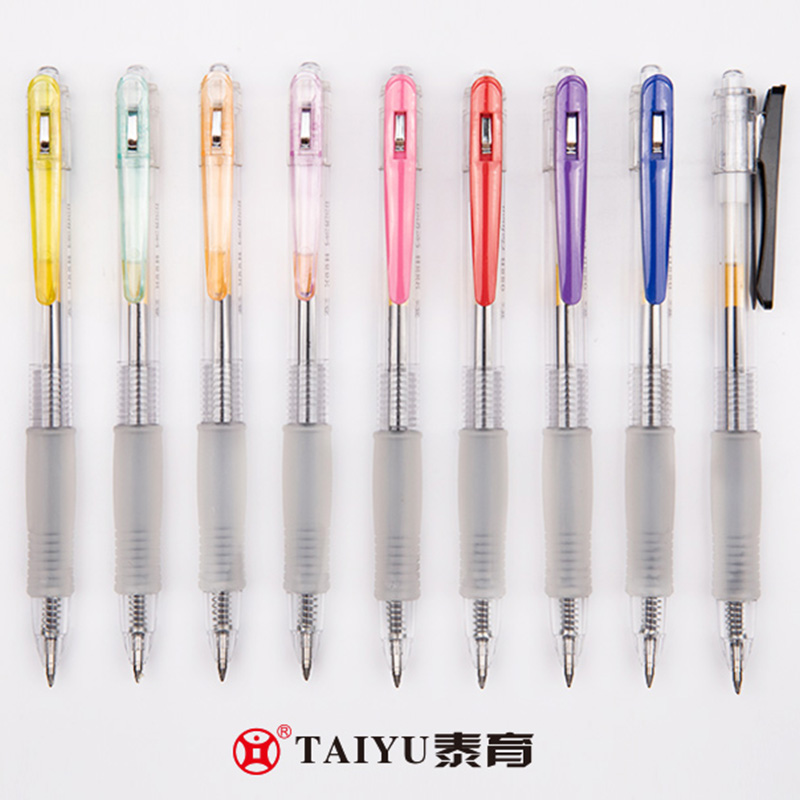
Student Use Pressing Gel Pen With Grip And Pen Holder For Comfortable Writing Gel Pen 988
-
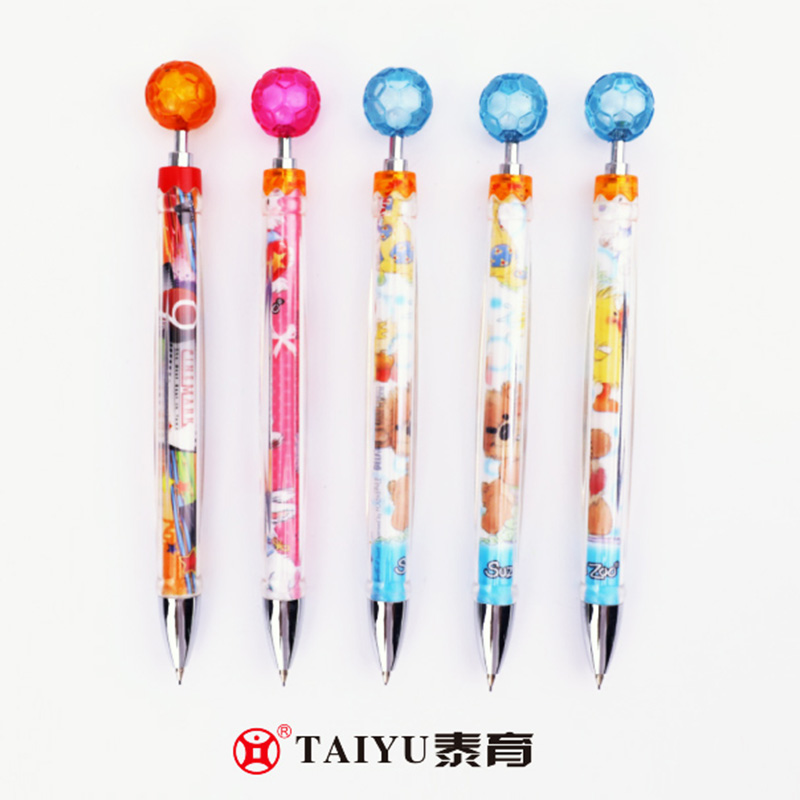
Student Use Mechanical Pencil With Cartoon Design And Colored Acrylic Pressing Head Mechanical Pencil 2140
-
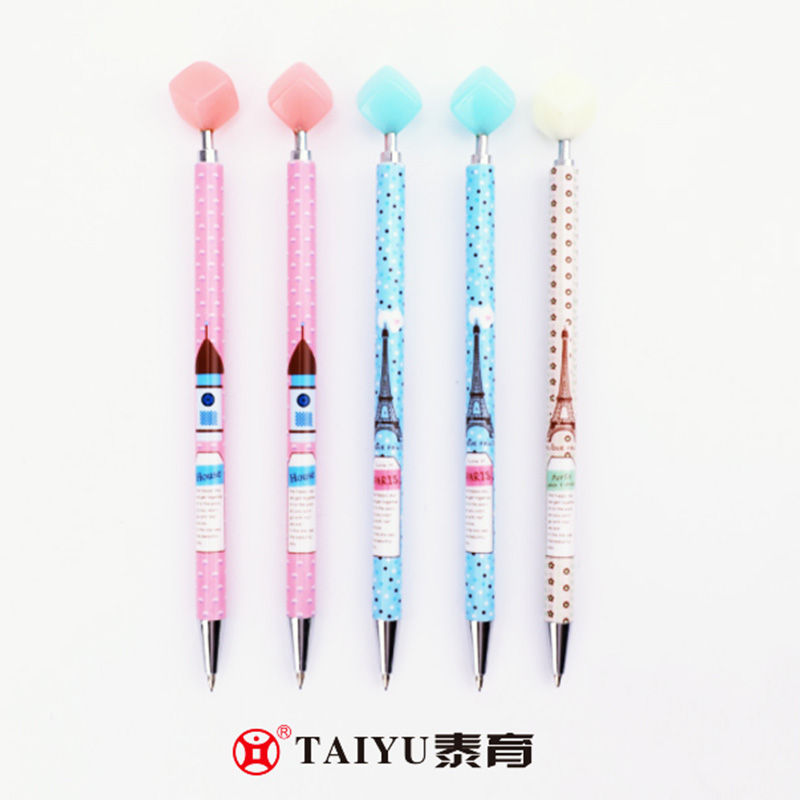
Student Use Mechanical Pencil With Popular And Selling Style Mechanical Pencil 2124
-
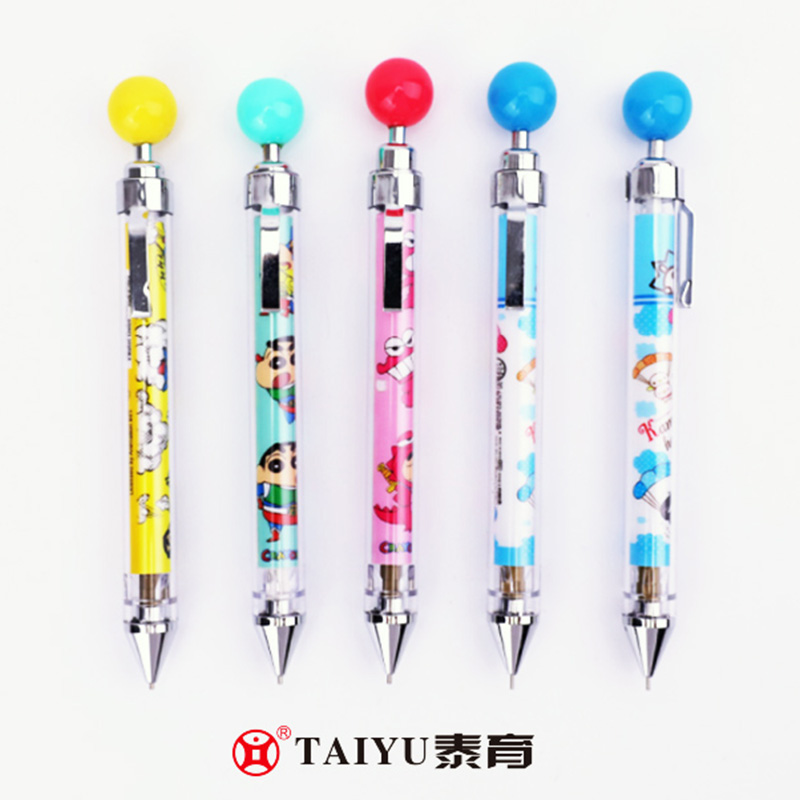
Student Use Mechanical Pencil With Metal Nib And Comfortable Writing Mechanical Pencil 2093
-
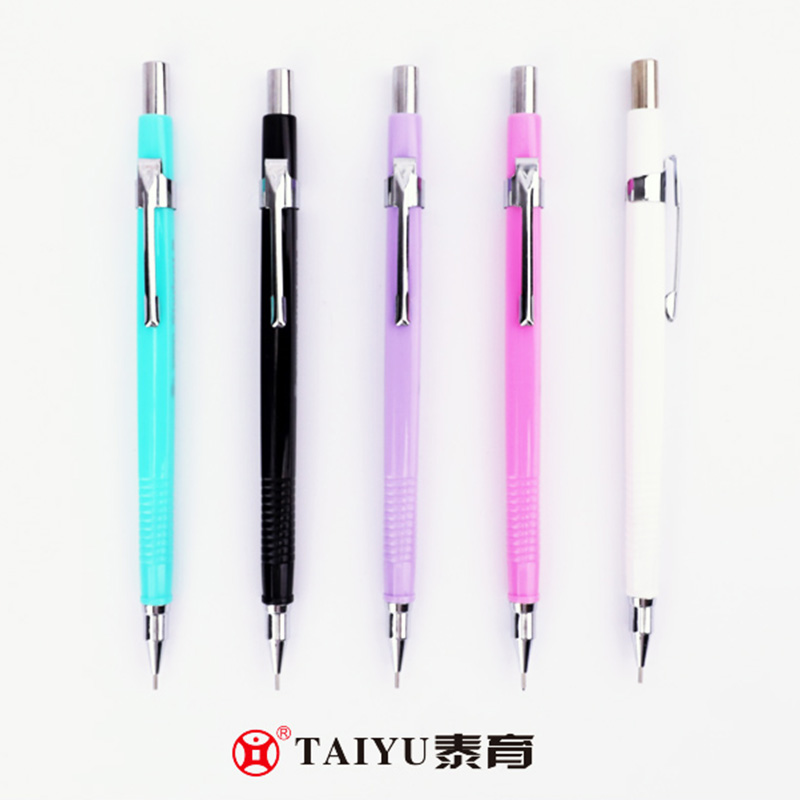
Students Use Mechanical Pencil With Metal Nib Costomized Color Mechanical Pencil 2000D

-
 +86-13056726165 (WeChat / WhatsApp)
-
 [email protected]
-
Hongkong office:RM03,24/F HoKing Comm CTR,2-16 Fayuen St,Mong Kok,HongKong,China
Tel:+852 62195386 Ningbo Factory:Guanhaiwei Industrial West Zone, Cixi, Zhejiang, China Tel:+86-0573-63630076


