


 English
 中文简体
中文简体 Español
How do mechanical pencils work?
Content
The working principle of a mechanical pencil is essentially a sophisticated drive and compensation system. Its core lies in the cooperation between the internal "three-jaw chuck" and the spring: when the top button is pressed, the spring is compressed, causing the chuck to open and move forward, pushing the lead out a certain distance; when the button is released, the chuck retracts under the force of the spring's rebound, and the friction generated by the rubber ring (lead retainer) fixes the lead in place, preventing it from retracting. This cyclical mechanical action provides the convenient function of continuous writing without the need for sharpening.
As an essential tool for modern office work and drawing, the mechanical pencil has evolved from a simple sliding mechanism to a highly complex and precise writing instrument since its inception. To help everyone understand this everyday companion more deeply, we will disassemble its internal structure and explore the working secrets of different types of mechanical pencils.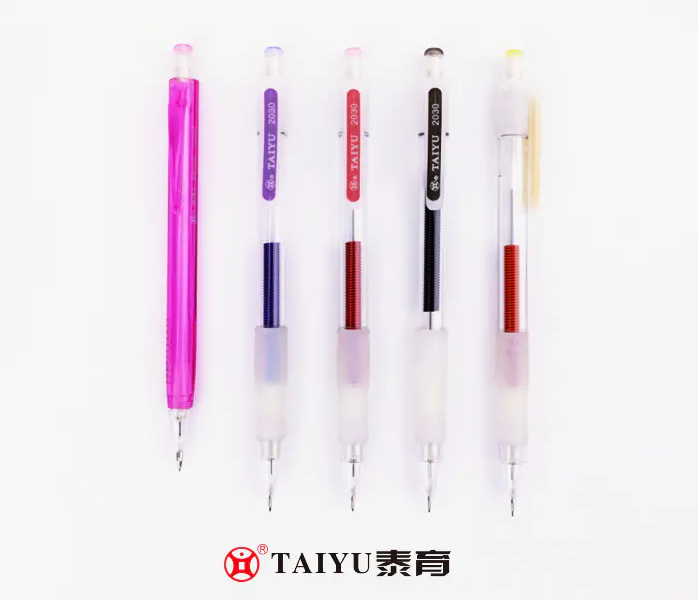
I. Core Components: The "Heart" of the Mechanical Pencil
A high-quality mechanical pencil usually consists of the following key components:
Lead Tank: Located in the center of the pen barrel, used to store multiple spare 0.5mm or 0.7mm leads.
Chuck: Usually made of brass or hard plastic, divided into three jaws, responsible for gripping and advancing the lead.
Spring: Provides the power source for the reciprocating motion and determines the damping feel of the button press.
Lead Sleeve: The metal tube at the very tip of the pen, protecting the delicate lead from breaking during writing.
II. Advanced Technology: More Than Just "Pressing"
With the advancement of pen manufacturing technology, the working methods of mechanical pencils have also evolved into various advanced technologies to meet the writing and drawing needs of different scenarios:
1. Automatic Rotation Technology (Kuru Toga)
Many professionals prefer mechanical pencils with a rotating function. It contains a miniature gear inside, which rotates the lead a small angle each time you put the pen down and lift it up. This ensures that the lead wears evenly, maintaining a conical tip and avoiding the problem of the writing becoming thicker and thicker.
2. Shaker Mechanism
This type of mechanical pencil has a built-in weight inside. Users simply shake the pen body up and down, and the inertia of the weight strikes the internal mechanism, extending the lead. This greatly improves efficiency for students who need to write frequently.
3. Lead Protection System
High-end mechanical pencils often feature a spring cushioning system. When excessive writing pressure is applied, the internal mechanism at the tip absorbs the excess pressure through vertical or diagonal movement, effectively reducing the problem of lead breakage.
III. How to Extend the Lifespan of Your Mechanical Pencil?
Although mechanical pencils are durable, improper maintenance can lead to lead jamming or mechanical failure. As professional stationery advice, please note the following:
Matching Specifications: Always use lead refills that match the specifications marked on the pen body (e.g., 0.5mm; mixing with 0.3mm is strictly prohibited).
Cleaning Broken Lead: If a broken lead is stuck inside the lead guide tube, remove the eraser pin from the pen cap and push the broken lead out from the tip.
Avoid Overfilling: It is ideal to place only 2-3 spare leads in the lead storage tube at a time; too many can cause internal jamming.
From complex gear meshing to basic spring recoil, the design of mechanical pencils showcases the charm of micro-mechanics. Whether for precise sketching in artistic creation or efficient note-taking in daily life, understanding its working principle helps us better utilize this tool.
LATEST POST
Let’s create something amazing together
contact usFeatured Products
-
Office Use Gel Pen With Rubber And Flexible Clip Costomized Color Gel Pen 988
-
Office Use Gel Pen With Rubber Costomized Color Gel Pen 3192
-
Student Use Gel Pen With Cap Costomized Color Gel Pen 5015
-
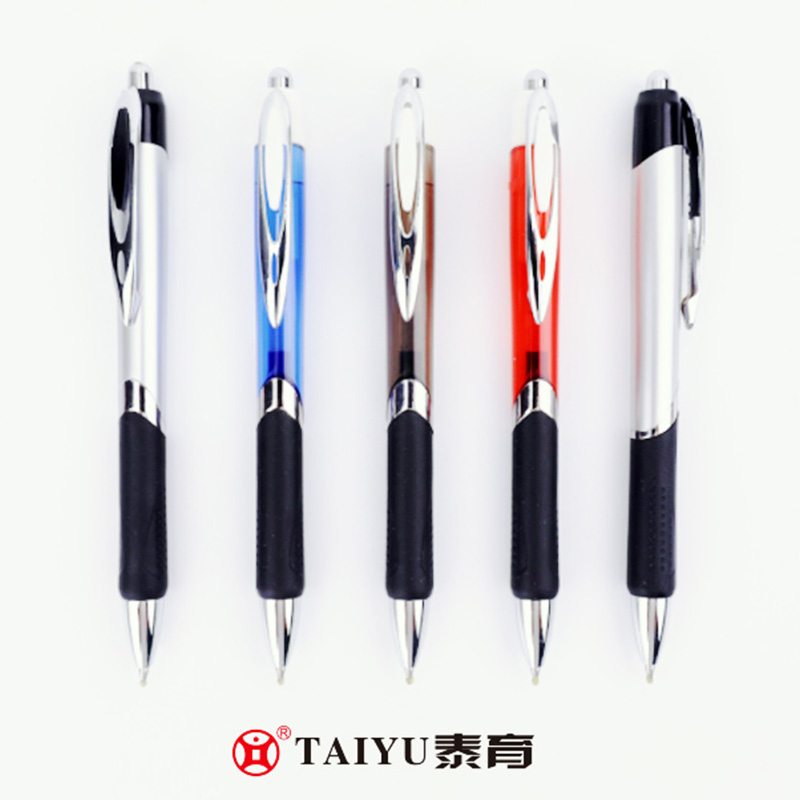
Office Use Gel Pen Designs With Grip And Write Smoothly Gel Pen 3166
-
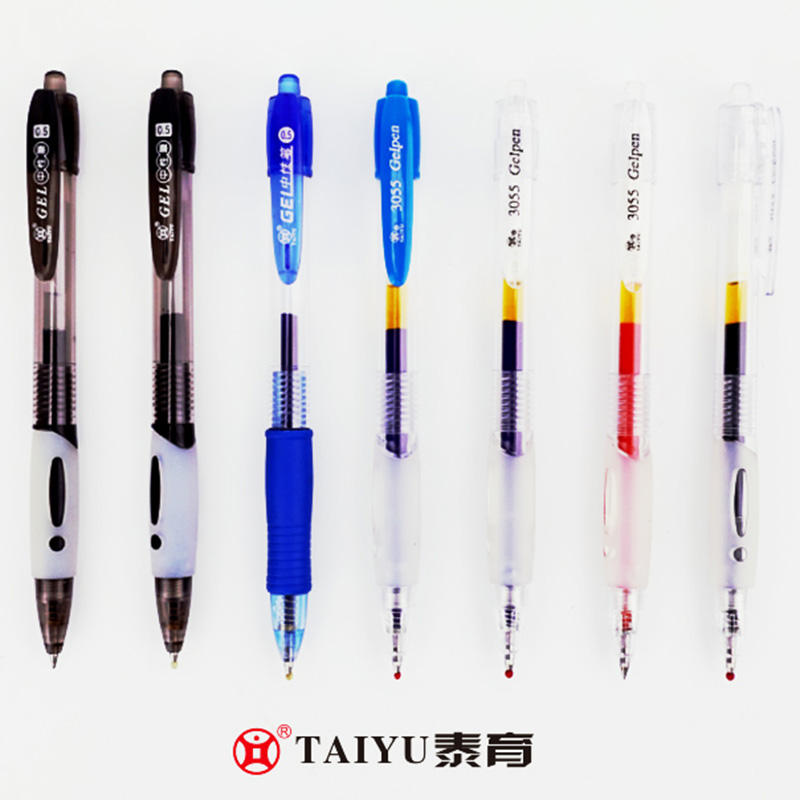
Office Use Pressing Gel Pen Simple Style Costomized Color Gel Pen 3055
-
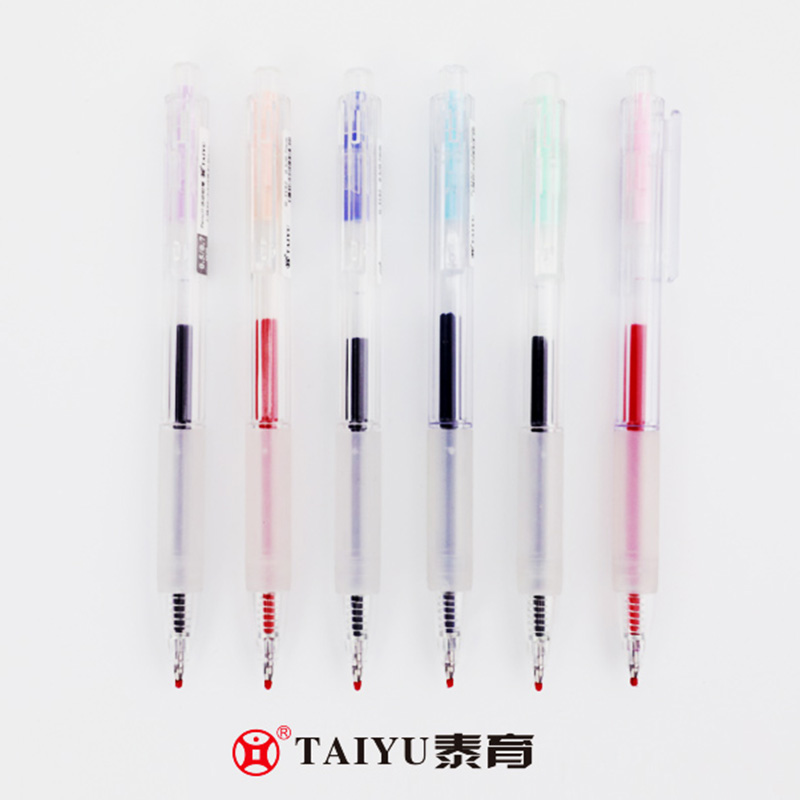
Student Use Gel Pen With Cap With Macaron Color Design Gel Pen 3192
-
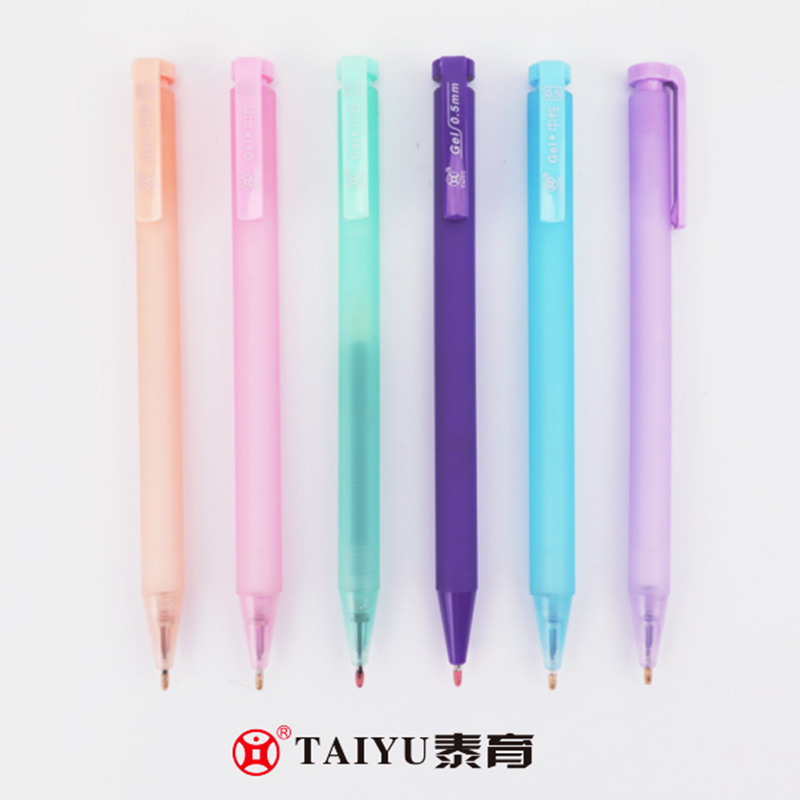
Students Use The Popular New Transparent Matte Designgel Gel Pen 3147A
-
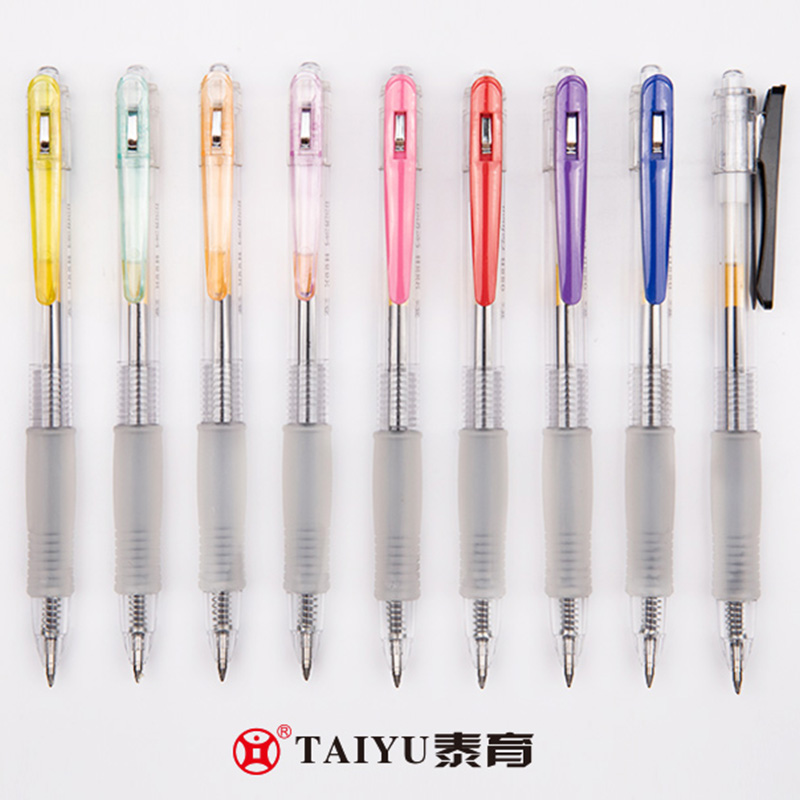
Student Use Pressing Gel Pen With Grip And Pen Holder For Comfortable Writing Gel Pen 988
-
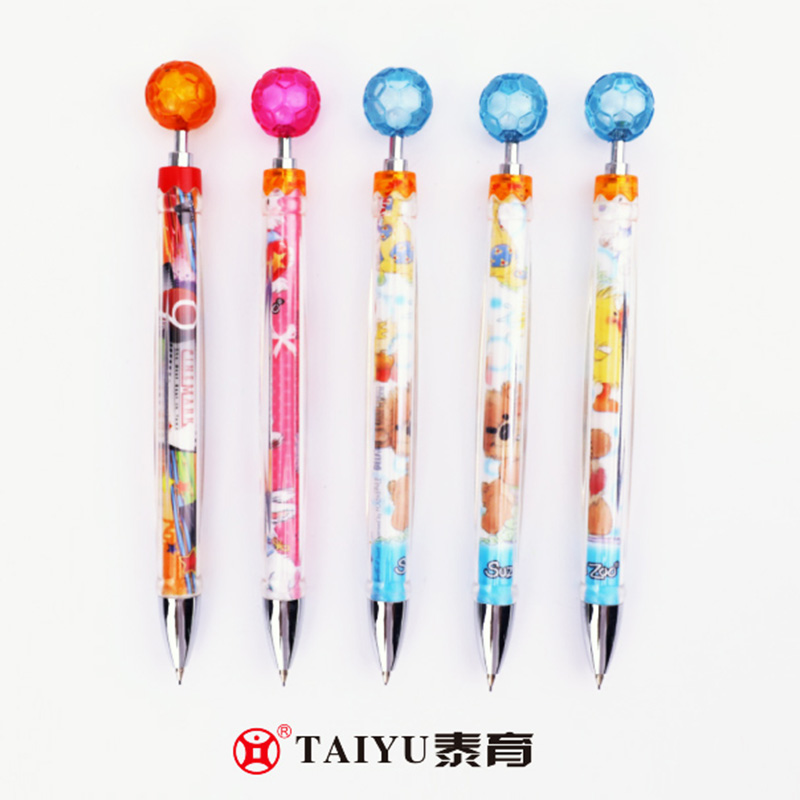
Student Use Mechanical Pencil With Cartoon Design And Colored Acrylic Pressing Head Mechanical Pencil 2140
-
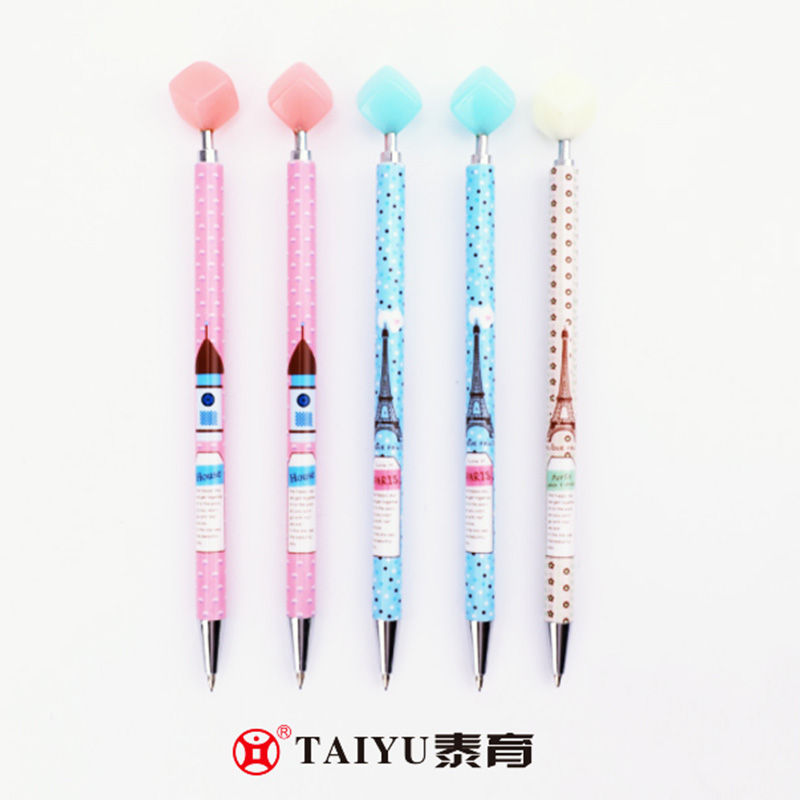
Student Use Mechanical Pencil With Popular And Selling Style Mechanical Pencil 2124
-
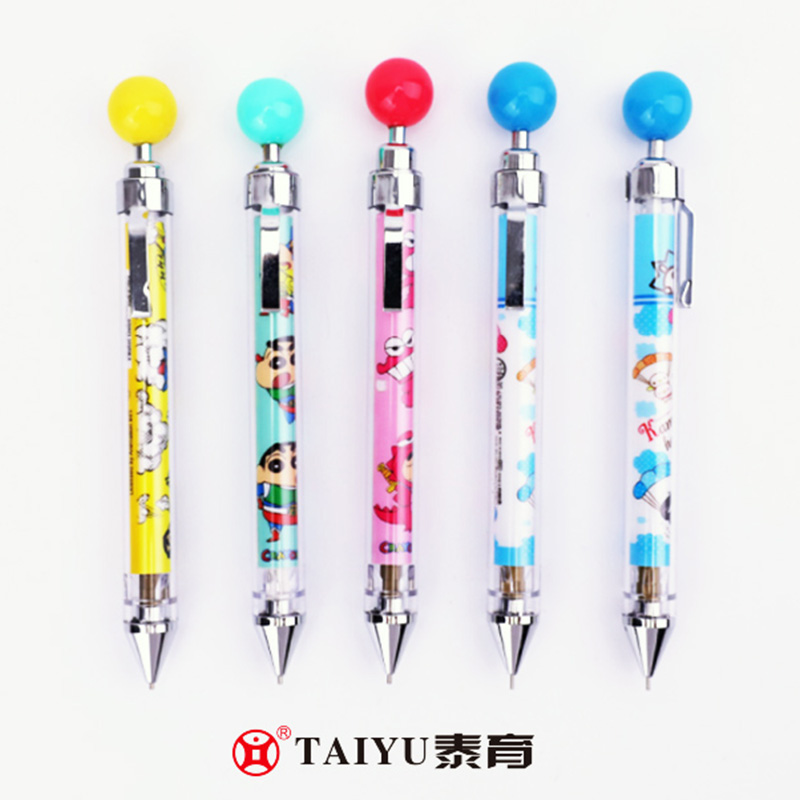
Student Use Mechanical Pencil With Metal Nib And Comfortable Writing Mechanical Pencil 2093
-
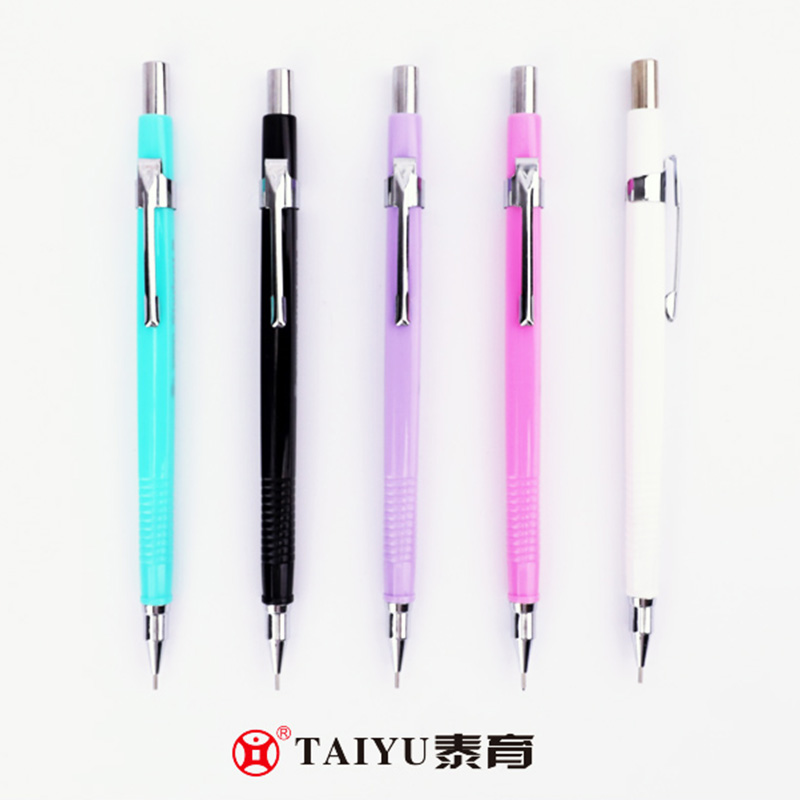
Students Use Mechanical Pencil With Metal Nib Costomized Color Mechanical Pencil 2000D

-
 +86-13056726165 (WeChat / WhatsApp)
-
 [email protected]
-
Hongkong office:RM03,24/F HoKing Comm CTR,2-16 Fayuen St,Mong Kok,HongKong,China
Tel:+852 62195386 Ningbo Factory:Guanhaiwei Industrial West Zone, Cixi, Zhejiang, China Tel:+86-0573-63630076


