


 English
 中文简体
中文简体 Español
Which is better: gel pen, ballpoint pen, or fountain pen?
Content
Among everyday writing tools, many people wonder: which is better, a gel pen, a ballpoint pen, or a fountain pen? From a comprehensive writing experience perspective, Gel pens, with their smooth writing, stable ink flow, and wide range of applications, have become one of the most commonly used writing tools for students and office workers. However, different types of pens have their own characteristics, and whether one is "better" depends on individual needs.
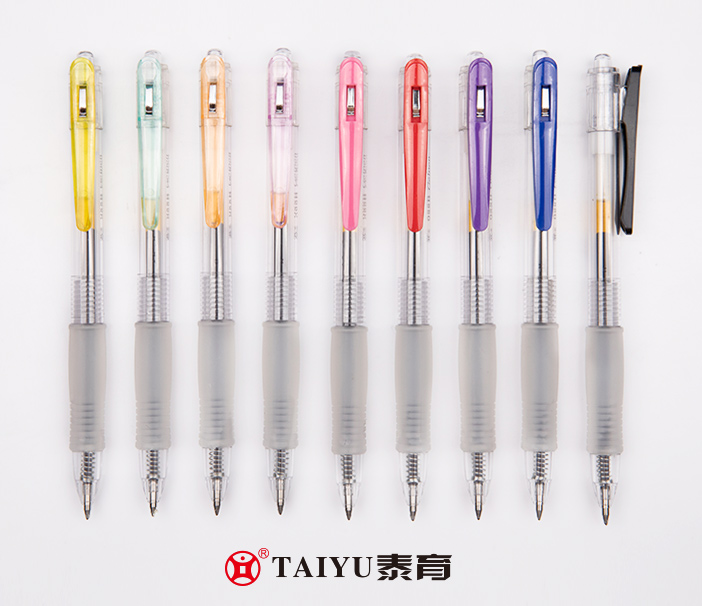
I. Characteristics and Advantages of Gel Pens
Gel pens use neutral ink, combining the smoothness of water-based pens with the durability of oil-based pens. They provide even ink flow and are less prone to skipping. Common gel pen tip sizes include 0.38, 0.5, and 0.7mm, meeting various needs for exams, daily notes, and office writing.
Compared to other writing tools, gel pens have the following advantages:
Smooth writing: Gel ink has good fluidity, resulting in clear and continuous lines.
Wide range of applications: Suitable for students, office work, and exams.
Clear and durable writing: Not prone to fading, suitable for long-term preservation.
High cost-effectiveness: Easy to replace refills, resulting in low overall usage costs.
Therefore, from a practical perspective, gel pens perform particularly well in high-frequency daily writing.
II. Which is better: Gel pen or ballpoint pen?
Ballpoint pens primarily use oil-based ink, which is water-resistant and smudge-proof, but they have greater writing resistance and are prone to skipping. Gel pens are significantly superior to ballpoint pens in terms of smoothness and writing feel, especially for prolonged writing.
In summary:
For extensive writing and a smooth writing experience → Gel pens are better.
For high demands on water resistance and smudge resistance → Ballpoint pens are more suitable.
Current market trends also show that gel pens have gradually replaced traditional ballpoint pens as the mainstream writing tool.
III. Which is better: Gel pen or fountain pen?
Fountain pens offer a strong writing texture and beautiful handwriting, suitable for calligraphy practice or those who appreciate a more formal writing experience. However, they have higher maintenance costs and require specific paper and usage habits. In comparison, gel pens offer distinct advantages in terms of convenience:
No cleaning or maintenance required
Ready to use immediately, with strong stability
Better adaptability to different types of paper
For students and office workers, gel pens are clearly superior to fountain pens in terms of efficiency and stability.
IV. How to choose a gel pen for different groups of people?
Students: 0.5mm gel pens are recommended for clear writing, suitable for exams and homework.
Office workers: Smooth-writing gel pens are recommended for comfortable writing over long periods.
Calligraphy enthusiasts: Gel pens can be used in conjunction with fountain pens, but gel pens are still preferred for everyday writing.
Considering writing smoothness, stability, cost-effectiveness, and applicable scenarios, gel pens have a comprehensive advantage compared to ballpoint pens and fountain pens. They meet the needs of frequent writing while also providing a good writing experience, making them one of the "best and most practical" writing tools on the market today.
LATEST POST
Let’s create something amazing together
contact usFeatured Products
-
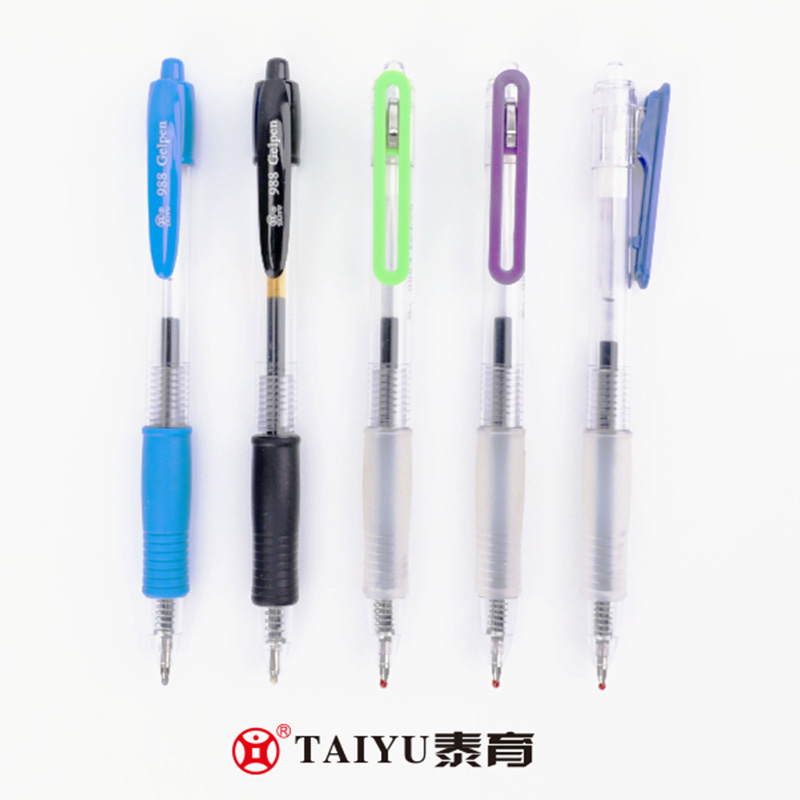
Office Use Gel Pen With Rubber And Flexible Clip Costomized Color Gel Pen 988
-
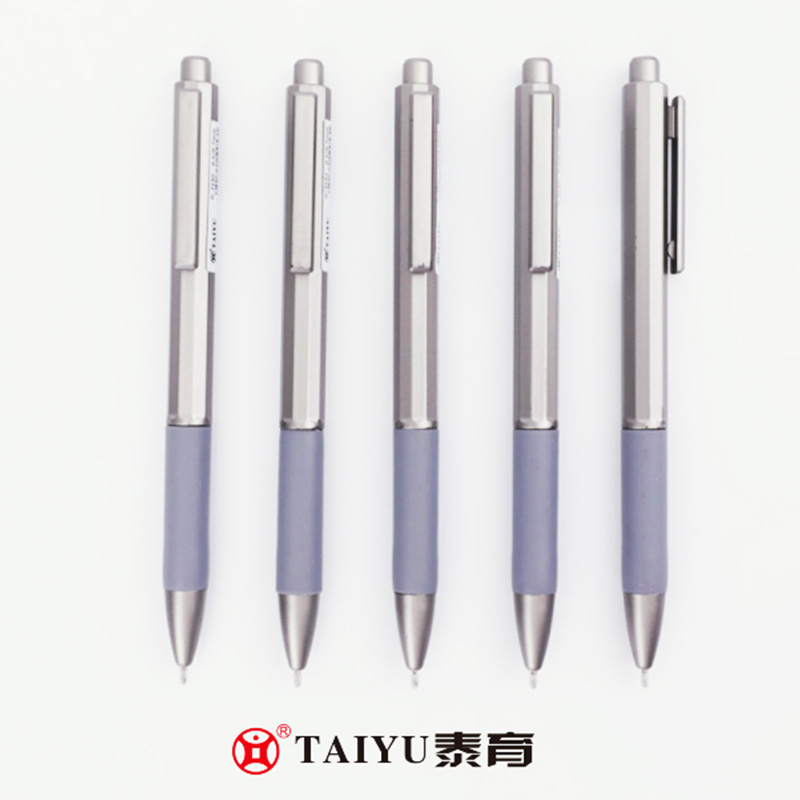
Office Use Gel Pen With Rubber Costomized Color Gel Pen 3192
-
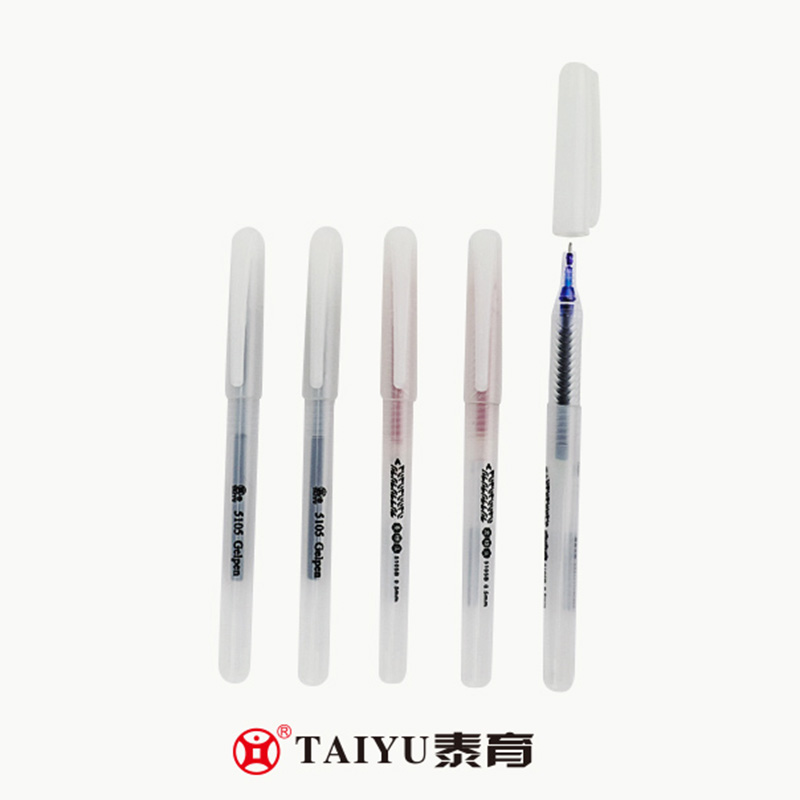
Student Use Gel Pen With Cap Costomized Color Gel Pen 5015
-
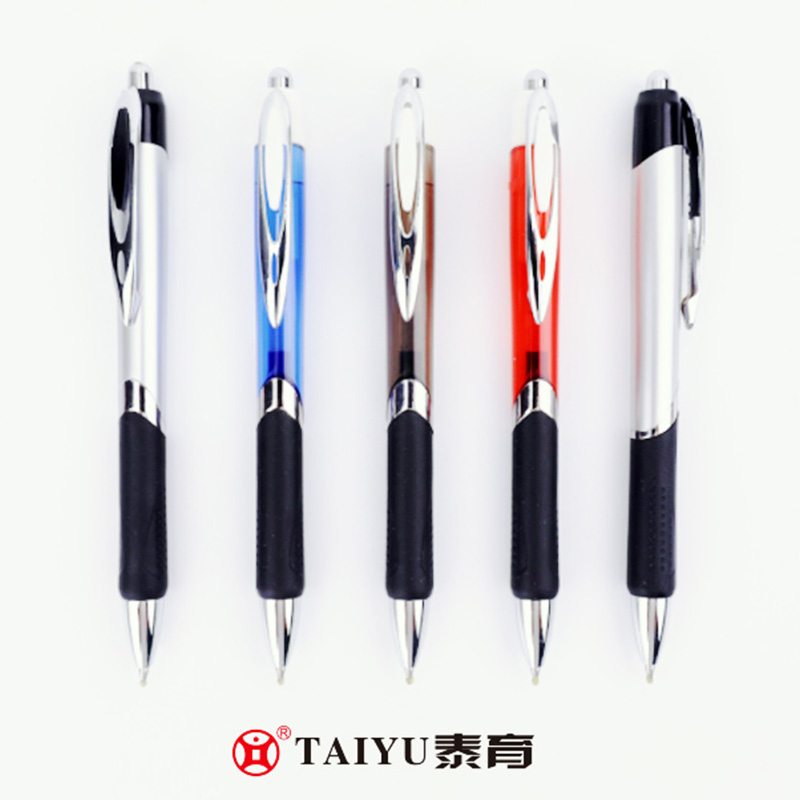
Office Use Gel Pen Designs With Grip And Write Smoothly Gel Pen 3166
-
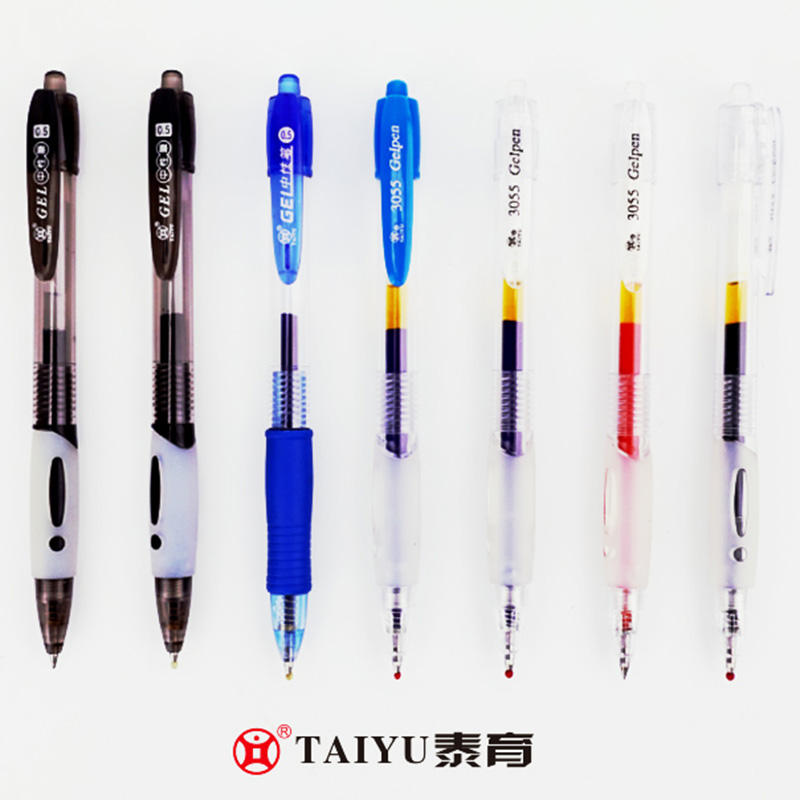
Office Use Pressing Gel Pen Simple Style Costomized Color Gel Pen 3055
-
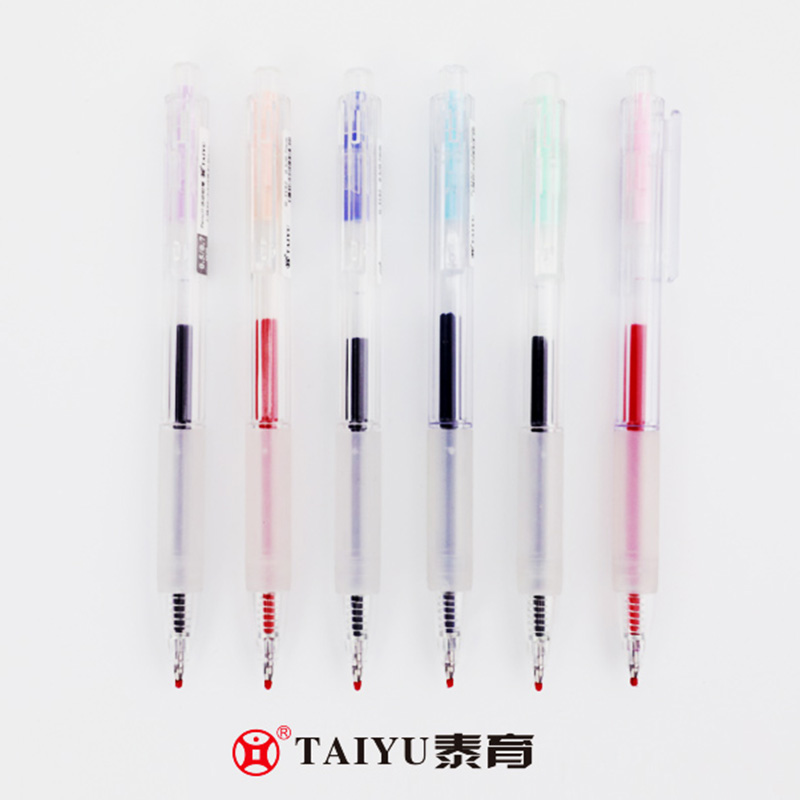
Student Use Gel Pen With Cap With Macaron Color Design Gel Pen 3192
-
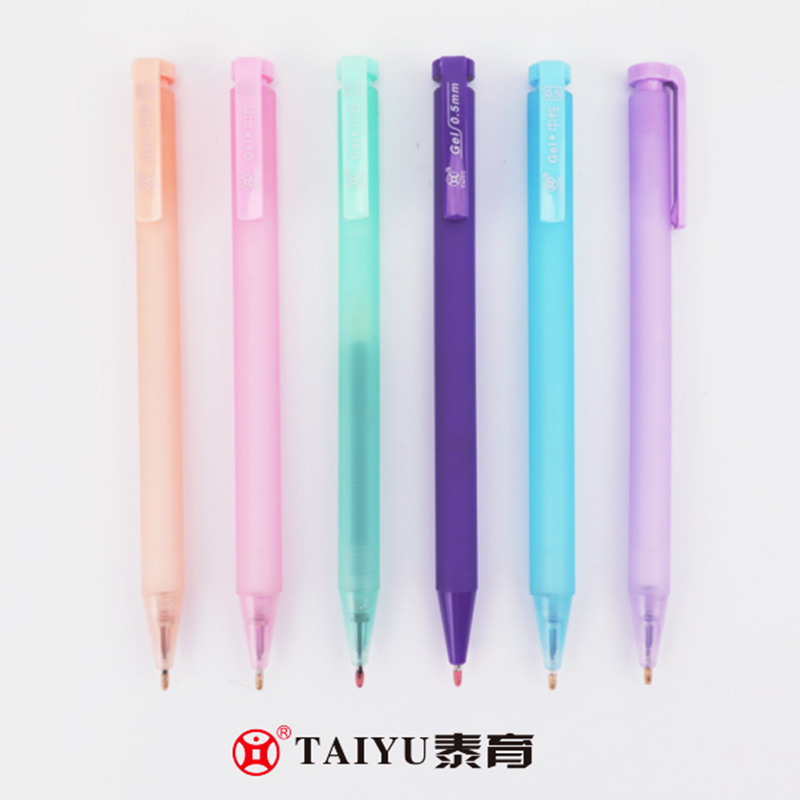
Students Use The Popular New Transparent Matte Designgel Gel Pen 3147A
-
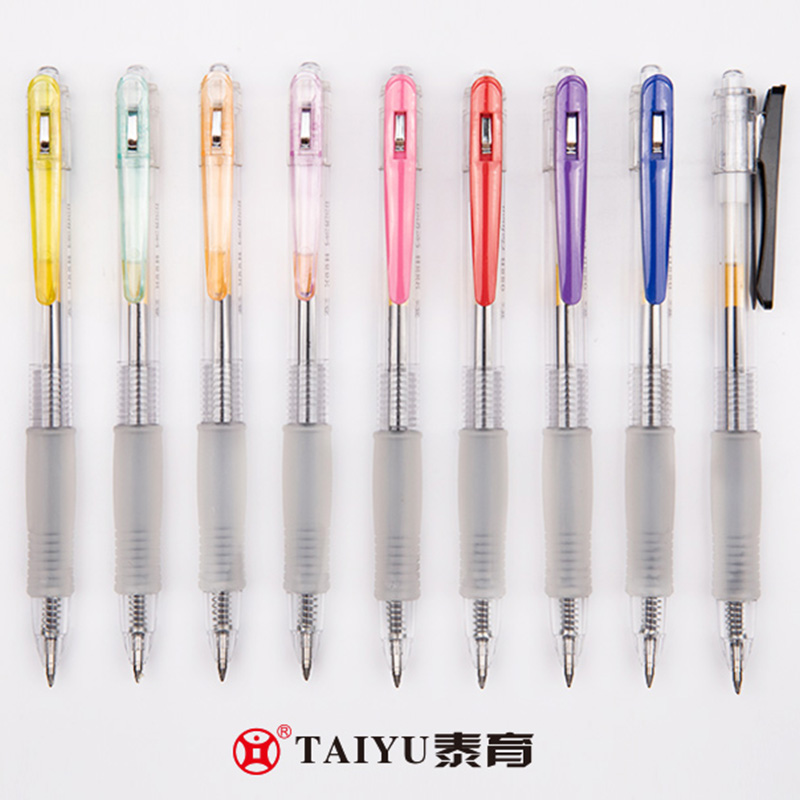
Student Use Pressing Gel Pen With Grip And Pen Holder For Comfortable Writing Gel Pen 988
-
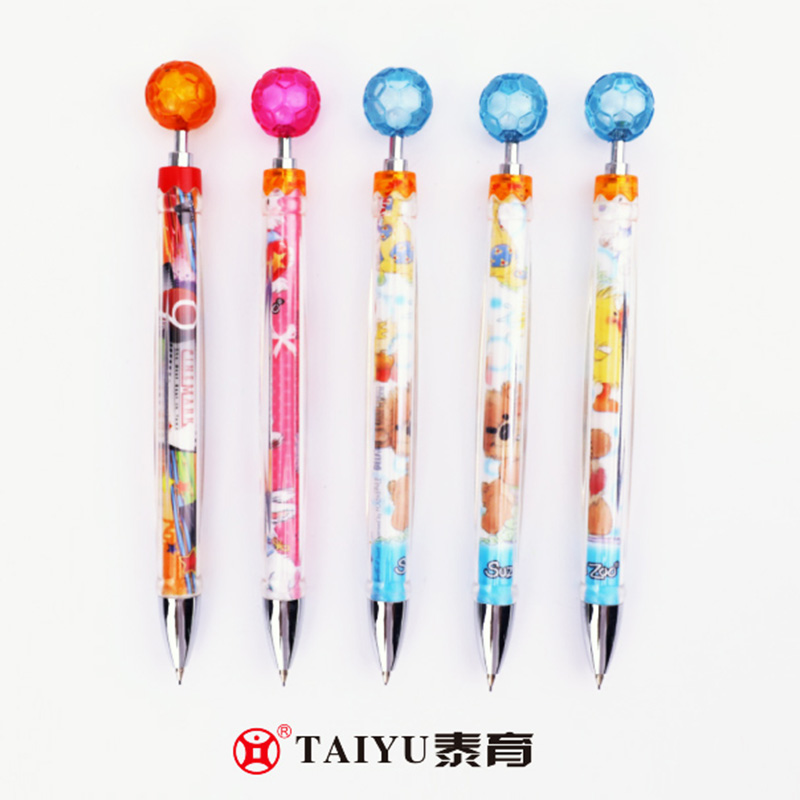
Student Use Mechanical Pencil With Cartoon Design And Colored Acrylic Pressing Head Mechanical Pencil 2140
-
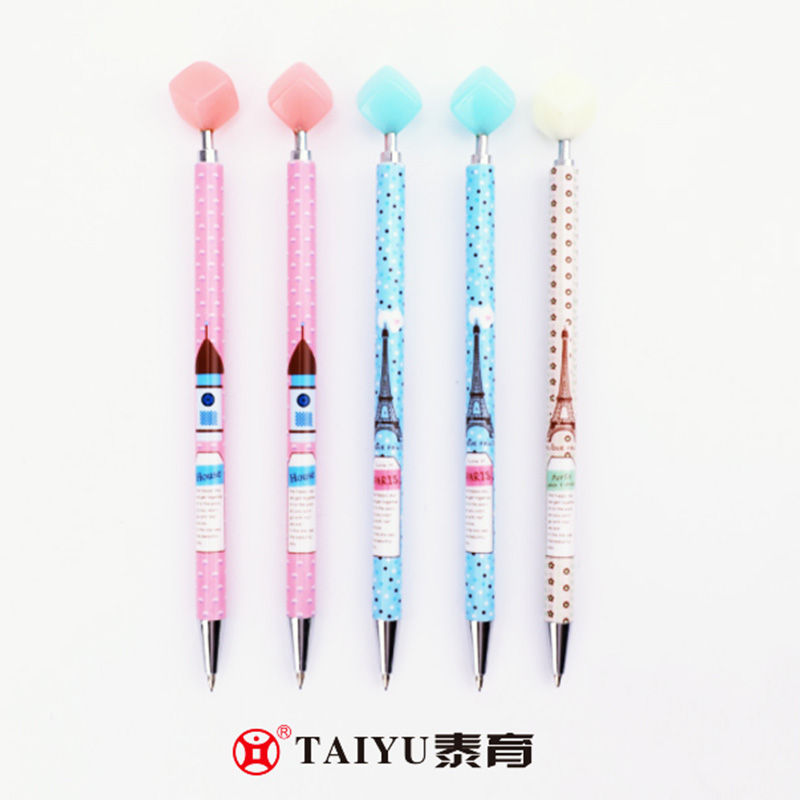
Student Use Mechanical Pencil With Popular And Selling Style Mechanical Pencil 2124
-
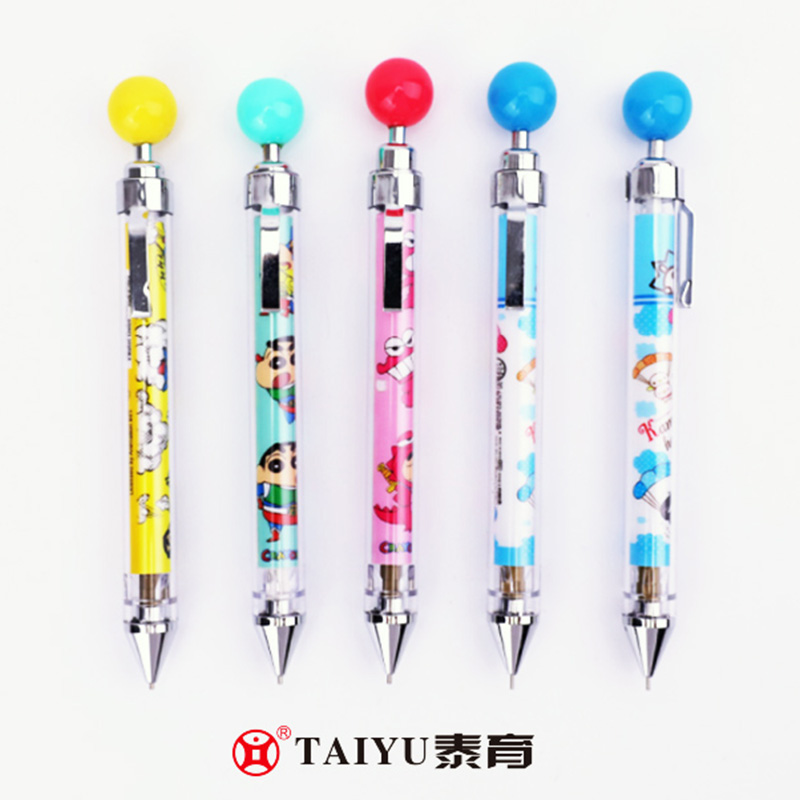
Student Use Mechanical Pencil With Metal Nib And Comfortable Writing Mechanical Pencil 2093
-
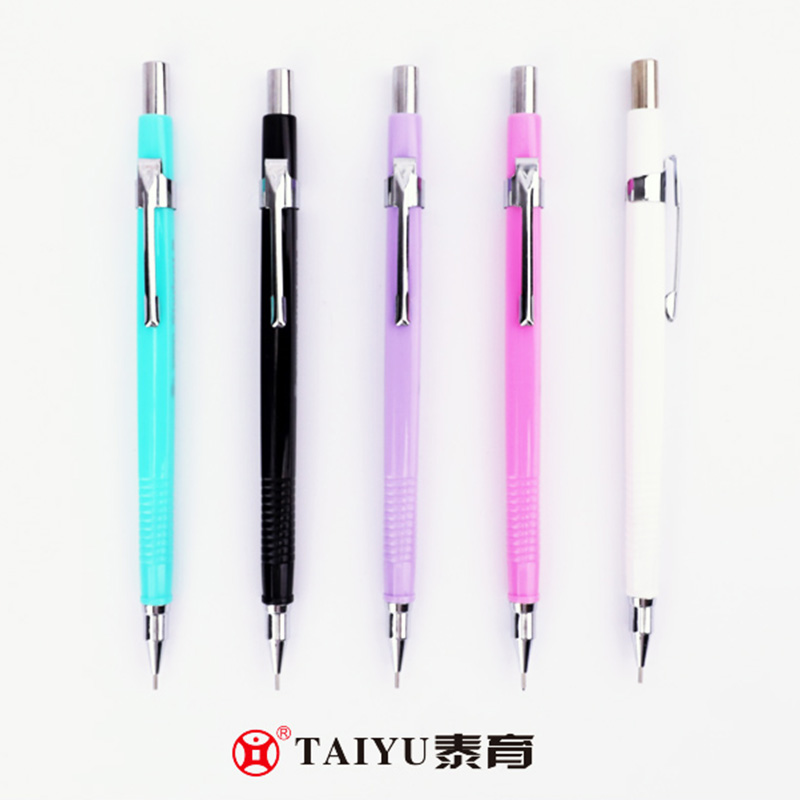
Students Use Mechanical Pencil With Metal Nib Costomized Color Mechanical Pencil 2000D

-
 +86-13056726165 (WeChat / WhatsApp)
-
 [email protected]
-
Hongkong office:RM03,24/F HoKing Comm CTR,2-16 Fayuen St,Mong Kok,HongKong,China
Tel:+852 62195386 Ningbo Factory:Guanhaiwei Industrial West Zone, Cixi, Zhejiang, China Tel:+86-0573-63630076


