


 English
 中文简体
中文简体 Español
Fountain Pen vs Marker Pen: When to Use Each
Content
Fountain pens are best suited for precise writing, formal signatures, and extended writing sessions; marker pens excel at highlighting, creative design, quick labeling, and visual presentation. These two tools are not competitors — each has its own strengths. Understanding their core differences helps you pick the right tool at the right moment, significantly boosting your writing efficiency and expressive quality.
Core Differences: Ink, Nib, and Writing Experience
Fountain pens use liquid ink delivered through a metal nib, producing delicate lines with a tangible variation in line weight under pressure. Marker pens use felt or fiber tips with quick-drying ink, delivering consistent, bold strokes with strong coverage.
| Feature | Fountain Pen | Marker Pen |
|---|---|---|
| Tip Material | Metal (iridium, steel) | Felt / fiber tip |
| Ink Type | Liquid dye / pigment ink | Alcohol- or water-based quick-dry ink |
| Line Width | 0.3mm–1.5mm (fine, adjustable) | 0.5mm–broad tip 10mm+ |
| Drying Speed | Slower (5–30 seconds) | Very fast (1–3 seconds) |
| Paper Requirements | Higher — specialized paper preferred | Versatile — works on most paper types |
| Longevity | Can last decades with care | Typically replaced when ink runs out |
When to Choose a Fountain Pen
Fountain pens offer clear advantages in the following scenarios, especially for users who value writing quality and long-term value:
Formal Signatures and Document Signing
Fountain pen ink penetrates paper fibers, making signatures difficult to replicate or reproduce via scanning. In formal settings such as legal documents and contract signings, fountain pens carry greater credibility and distinctiveness. Many corporate executives and law firms still prefer fountain pens for signing important documents.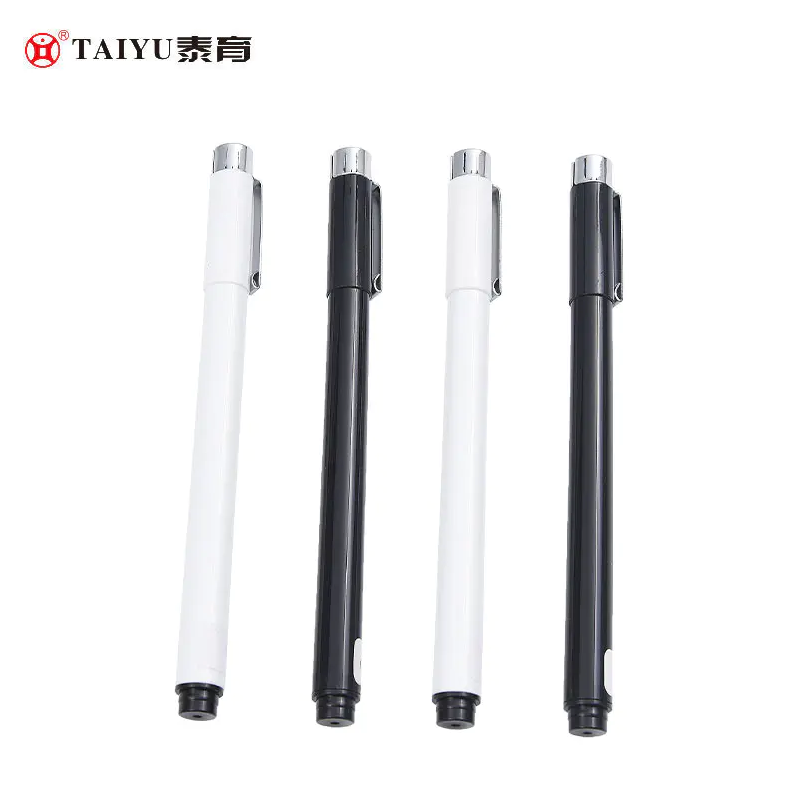
Extended Writing Sessions and Reduced Hand Fatigue
Fountain pens require minimal pressure — ink flows naturally through gravity and capillary action. Research suggests that during prolonged writing, hand muscle tension with a fountain pen is roughly 30% lower than with a ballpoint pen, significantly reducing fatigue. This makes fountain pens ideal for journalists, writers, and students who write by hand for extended periods.
Calligraphy Practice and Handwriting Art
Flex-nib fountain pens produce thick-to-thin line variation based on applied pressure, making them the essential tool for learning Western calligraphy styles such as Copperplate and Italic. For anyone looking to improve the aesthetic quality of their handwriting, the fountain pen is irreplaceable.
Journaling, Note-Taking, and Personal Writing
Writing with a fountain pen is a sensory, deliberate experience that encourages focus and deep thinking. Numerous psychology studies indicate that handwritten journaling promotes emotional processing and memory consolidation more effectively than typing — and the smooth flow of a fountain pen further enhances that mindful experience.
When to Choose a Marker Pen
Marker pens have a clear edge in speed, coverage, and visual impact. In the following situations, markers far outperform fountain pens:
Whiteboard Presentations and Teaching
In classrooms, meeting rooms, and training sessions, markers paired with a whiteboard are the most efficient visual communication tool. A broad-tip marker covers 5–10mm per stroke, with text clearly legible from 5 meters away — something a fountain pen simply cannot achieve.
Creative Design and Illustration Coloring
Alcohol-based markers are widely used by professional illustrators and concept designers for their ability to blend, layer, and create gradients. In fields like industrial design, architectural sketching, and animation storyboarding, markers are the standard professional tool. Compared to fountain pen and watercolor techniques, markers dry faster and are more efficient for filling large color areas.
Quick Labeling and Logistics Marking
Warehousing, shipping, and parcel labeling require fast writing on various surfaces — cardboard, plastic, metal. Oil-based markers offer excellent adhesion, and can write on non-paper surfaces while remaining waterproof and abrasion-resistant — a capability entirely beyond what fountain pens can offer.
Crafts and DIY Projects
For decorating greeting cards, fabric, or wooden crafts, markers are the go-to choice for hobbyists thanks to their rich color saturation, consistent strokes, and compatibility with a wide range of materials. Fine-tip markers can also achieve intricate patterns, making them great for personalized customization.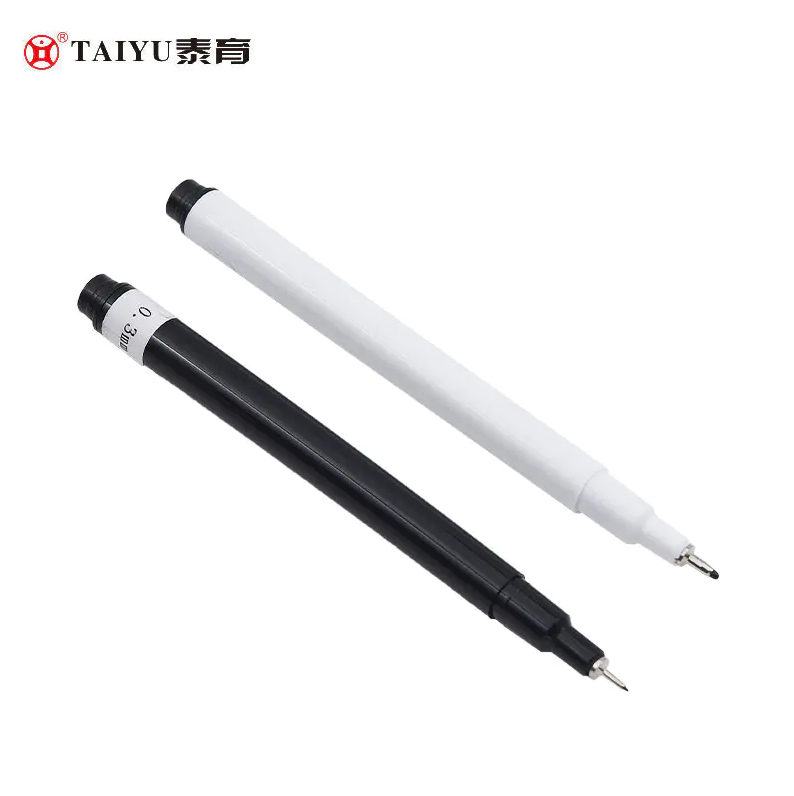
Quick Reference: Choose the Right Tool by Use Case
| Use Case | Recommended Tool | Reason |
|---|---|---|
| Contracts / Legal document signing | Fountain Pen | Ink penetrates fibers; hard to forge |
| Journaling / Notebook writing | Fountain Pen | Smooth flow, reduces hand fatigue |
| Calligraphy practice | Fountain Pen | Pressure-sensitive line variation |
| Meeting whiteboard presentations | Marker Pen | Bold strokes, readable at a distance |
| Illustration and coloring | Marker Pen | Blendable, fast-drying, vibrant color |
| Parcel / logistics labeling | Marker Pen | Oil-based, waterproof, multi-surface |
| Handmade cards / DIY decoration | Marker Pen | Rich colors, works on many materials |
| Long lecture / classroom notes | Fountain Pen | Low pressure, suited for sustained writing |
Key Limitations of Fountain Pens
Fountain pens are not a universal solution. Avoid using them in the following situations:
- Wet or outdoor environments: Most fountain pen inks are water-based and prone to smearing when exposed to moisture, making them unsuitable for damp conditions.
- Non-paper surfaces: Fountain pens cannot write on plastic, metal, fabric, or other non-paper materials — marker pens have virtually no such restriction.
- Large lettering needs: Fountain pen nibs are generally fine-tipped, making it difficult to write large characters quickly. For whiteboard use, a broad-tip marker is far more effective.
- Left-handed writers: Fountain pen ink dries slowly, and left-handed writers risk smudging as their hand drags across fresh ink. Fast-drying inks or adjusted grip techniques are necessary.
- Casual quick notes: For jotting down a phone number or a brief reminder, a fountain pen's refined experience is unnecessary — a marker or ballpoint pen is far more convenient.
Key Limitations of Marker Pens
Marker pens also have notable drawbacks that should not be overlooked:
- Limited precision for fine writing: Most marker tips are too broad for small, dense text. Writing in detail on A5 or smaller paper is clearly impractical with standard markers.
- Ink bleed-through: Alcohol-based markers easily bleed through paper. A protective sheet underneath is often required to avoid damaging the surface or pages below.
- Non-refillable in most models: Standard markers are discarded once the ink runs out, generating considerably more waste over time compared to refillable fountain pens — a meaningful environmental disadvantage.
- Uniform stroke feel: Marker tips are fixed and cannot produce the pressure-based thick-to-thin variation that gives handwriting its artistic character, making them unsuitable for calligraphy or expressive writing.
- Odor concerns: Alcohol-based markers are highly volatile. Extended use in enclosed spaces produces noticeable fumes — adequate ventilation is essential.
Using Both Together: The Optimal Writing Combination
For users who handle a variety of writing tasks, combining a fountain pen with marker pens is the most practical strategy — rather than choosing one over the other.
Take students as an example. A typical combination might look like this: use a fountain pen for the main body of lecture notes (smooth, low-effort), use a broad-tip highlighter marker to emphasize key passages, and use a fine-tip marker on whiteboards or draft paper for quick diagrams. Each tool plays its role, maximizing overall efficiency.
For designers, the concept sketching phase can rely on fine-tip markers to rapidly capture ideas, while detailed annotations and written descriptions call for a switch back to the fountain pen — balancing speed with precision.
No tool is inherently better — only more or less suited to the task at hand. Define your use case first, then select the tool that matches it. That is the most rational approach to choosing between a fountain pen and a marker pen.
LATEST POST
Let’s create something amazing together
contact usFeatured Products
-
Office Use Gel Pen With Rubber And Flexible Clip Costomized Color Gel Pen 988
-
Office Use Gel Pen With Rubber Costomized Color Gel Pen 3192
-
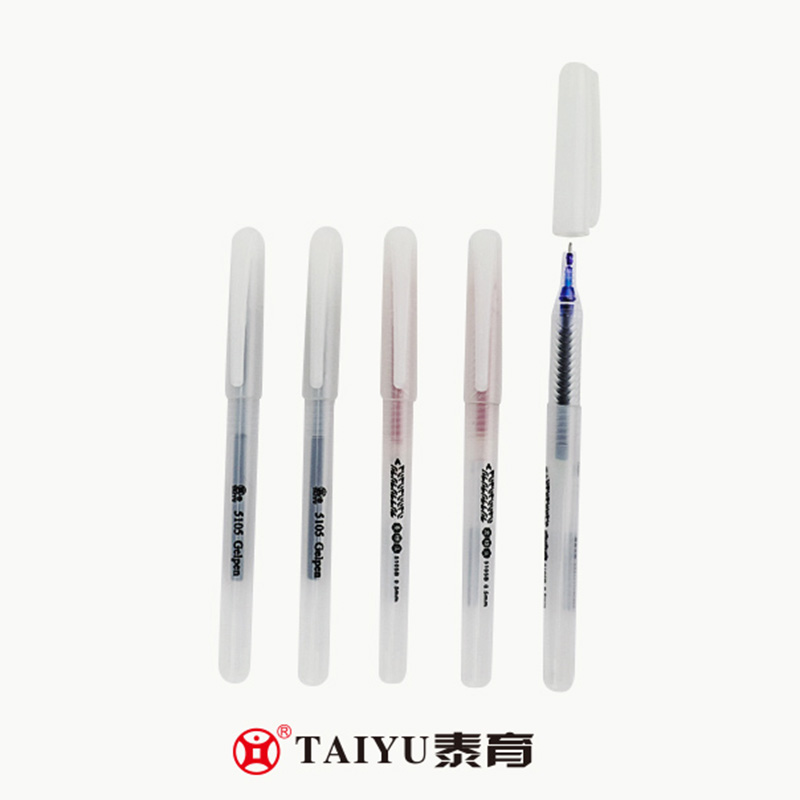
Student Use Gel Pen With Cap Costomized Color Gel Pen 5015
-
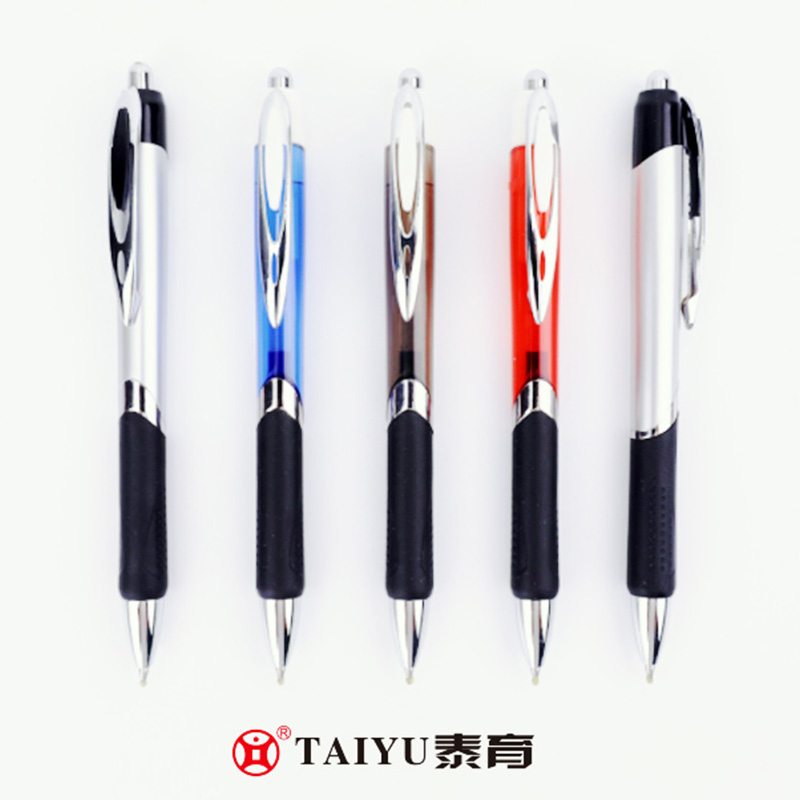
Office Use Gel Pen Designs With Grip And Write Smoothly Gel Pen 3166
-
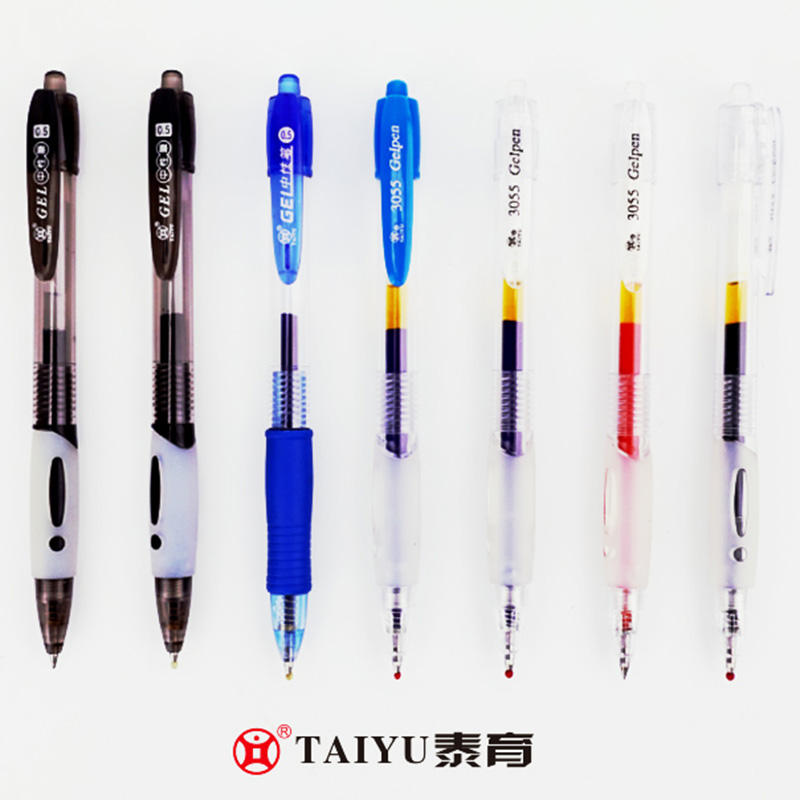
Office Use Pressing Gel Pen Simple Style Costomized Color Gel Pen 3055
-
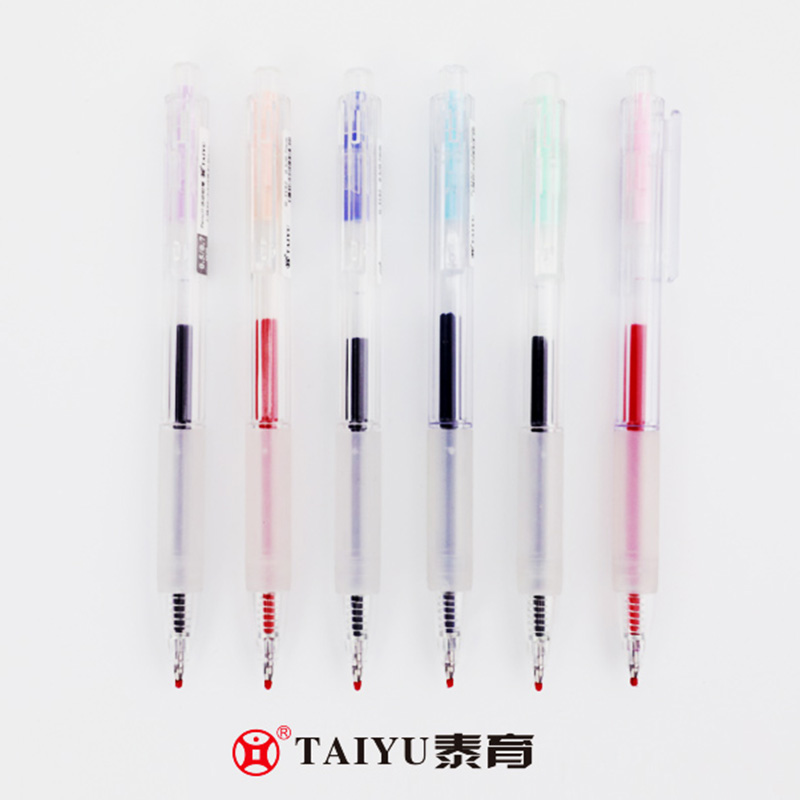
Student Use Gel Pen With Cap With Macaron Color Design Gel Pen 3192
-
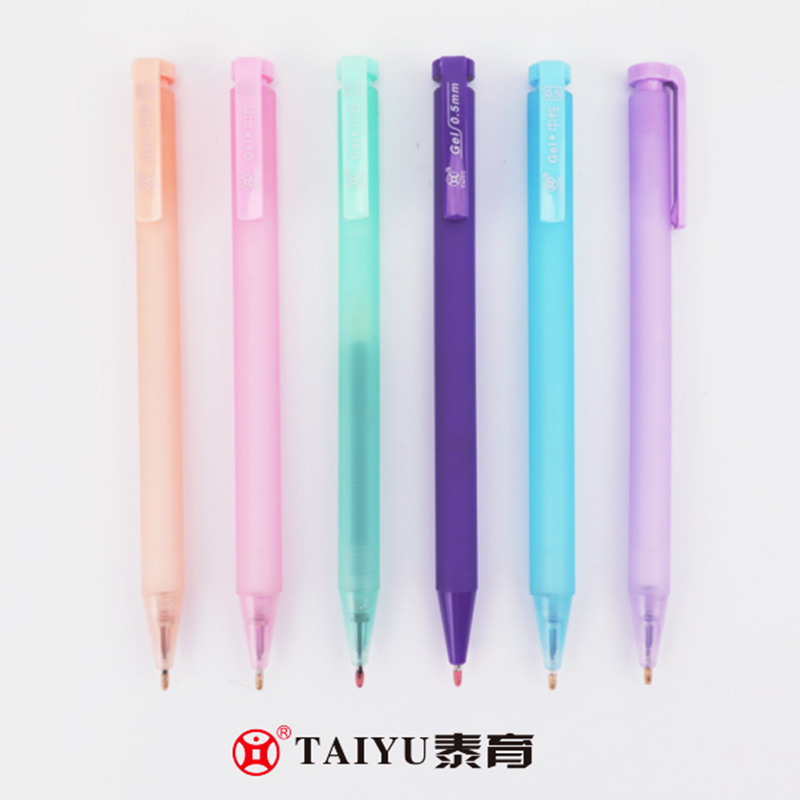
Students Use The Popular New Transparent Matte Designgel Gel Pen 3147A
-
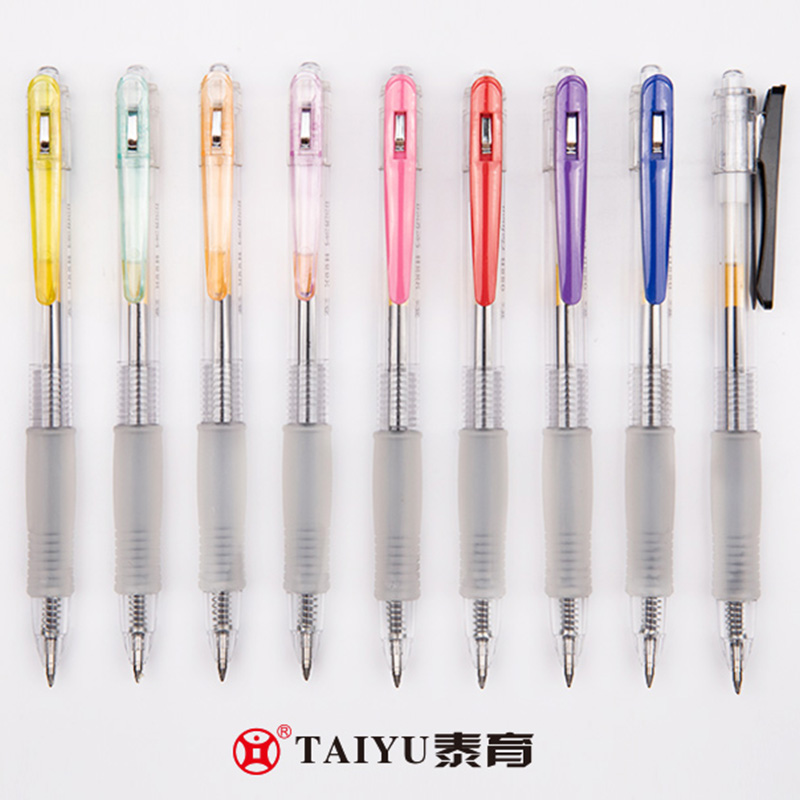
Student Use Pressing Gel Pen With Grip And Pen Holder For Comfortable Writing Gel Pen 988
-
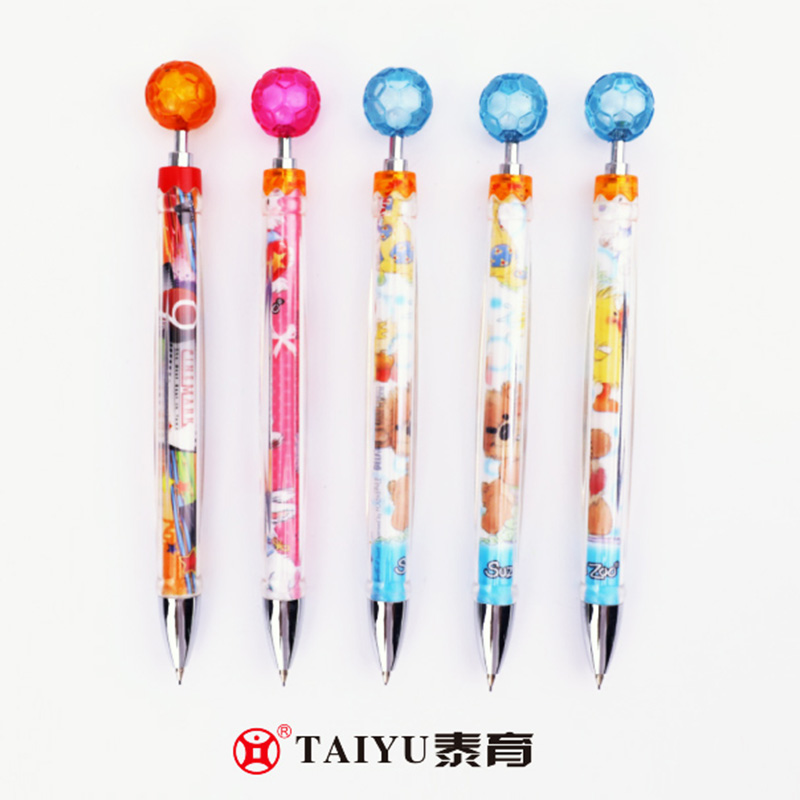
Student Use Mechanical Pencil With Cartoon Design And Colored Acrylic Pressing Head Mechanical Pencil 2140
-
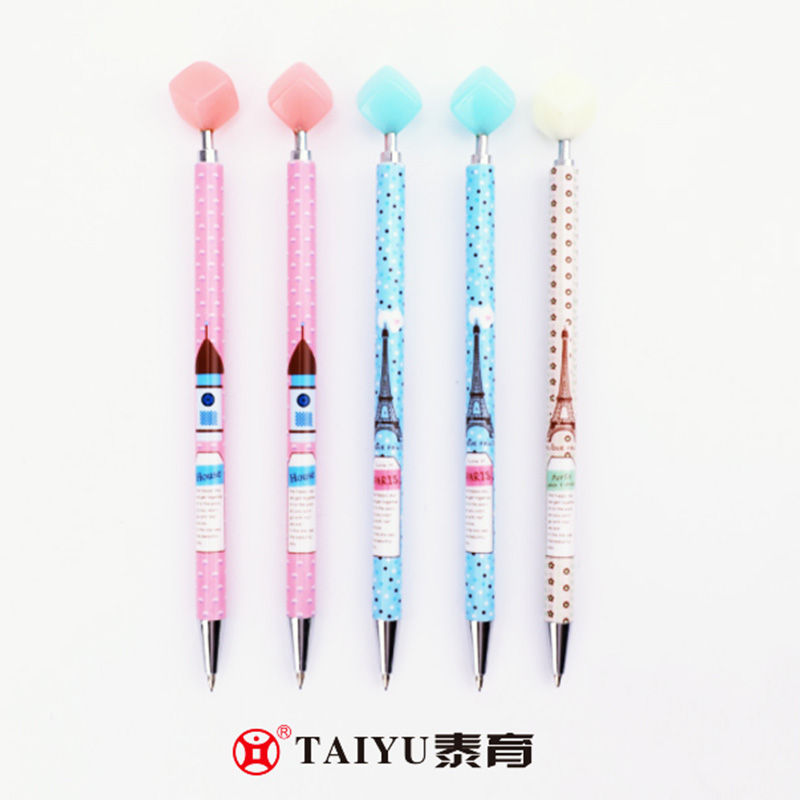
Student Use Mechanical Pencil With Popular And Selling Style Mechanical Pencil 2124
-
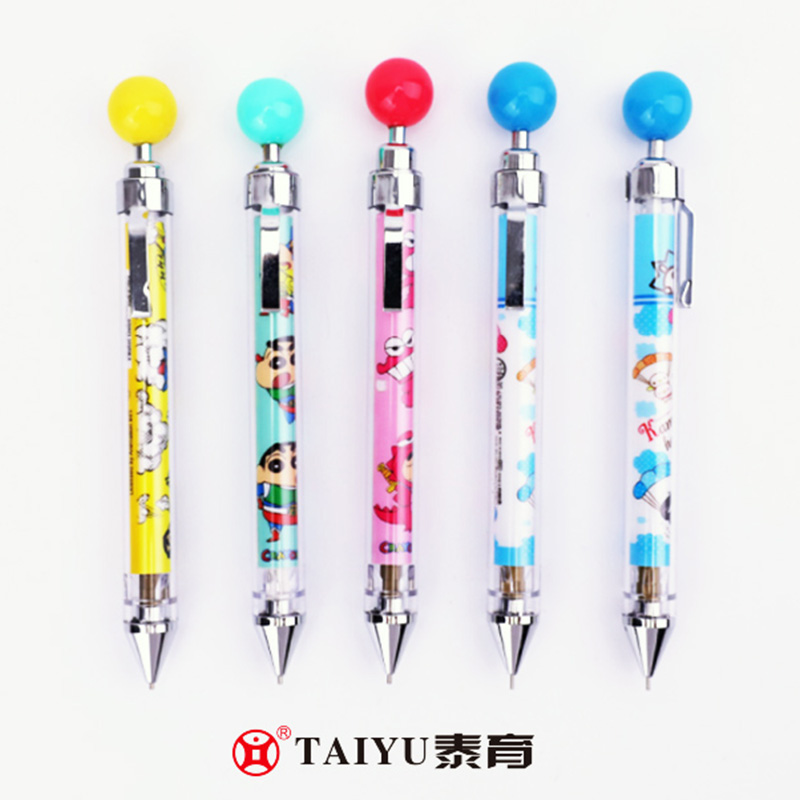
Student Use Mechanical Pencil With Metal Nib And Comfortable Writing Mechanical Pencil 2093
-
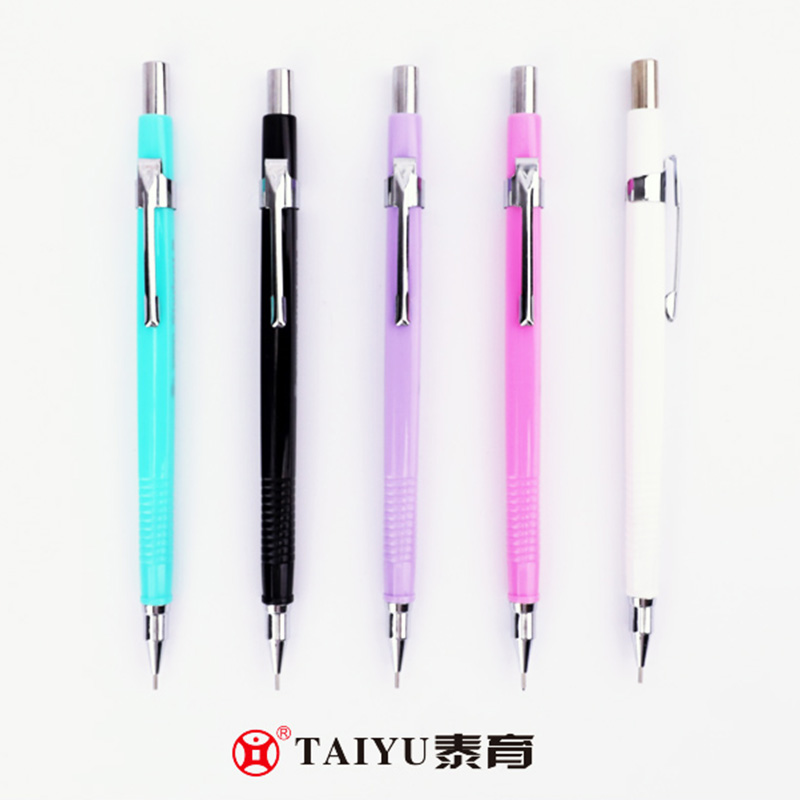
Students Use Mechanical Pencil With Metal Nib Costomized Color Mechanical Pencil 2000D

-
 +86-13056726165 (WeChat / WhatsApp)
-
 [email protected]
-
Hongkong office:RM03,24/F HoKing Comm CTR,2-16 Fayuen St,Mong Kok,HongKong,China
Tel:+852 62195386 Ningbo Factory:Guanhaiwei Industrial West Zone, Cixi, Zhejiang, China Tel:+86-0573-63630076


