


 English
 中文简体
中文简体 Español
How to choose desk storage for small office?
Content
- 1 The Short Answer: Prioritize Vertical Space and Multi-Function Pieces
- 2 Assess What You Actually Need to Store
- 3 Understand the Main Types of Desk Storage
- 4 How to Evaluate Size and Fit
- 5 Open vs. Closed Storage: Which Is Better for a Small Office?
- 6 Don't Overlook Cable and Tech Storage
- 7 Material and Build Quality Matter More Than Aesthetics
- 8 A Step-by-Step Checklist Before You Buy
The Short Answer: Prioritize Vertical Space and Multi-Function Pieces
When choosing desk storage for a small office, the single most important principle is to go vertical, not horizontal. Most small offices waste the wall space above the desk while overcrowding the desktop surface. The right storage system keeps your desktop at least 70% clear, uses wall-mounted or hutch-style units to take advantage of vertical space, and combines multiple storage functions — filing, supplies, cables — into as few pieces as possible.
Before buying anything, measure your desk surface, the floor space around it, and the wall height above it. A unit that looks compact online can dominate a small room in person. Start with those three measurements, then match storage to your actual workflow.
Assess What You Actually Need to Store
Not all clutter is the same. Before selecting a storage type, spend five minutes categorizing what ends up on your desk. Most small office workers deal with three categories:
- Active items — things you touch daily: pens, notepads, a stapler, charging cables
- Reference items — documents or files you consult weekly but don't use every hour
- Archive items — contracts, invoices, or records you rarely touch but must keep
Active items belong on or immediately beside the desk surface. Reference items work well in a desktop organizer or shallow drawer. Archive items should live in a filing cabinet or under-desk storage — not on your worksurface at all. Mixing all three categories in one place is the primary reason small office desks become chaotic.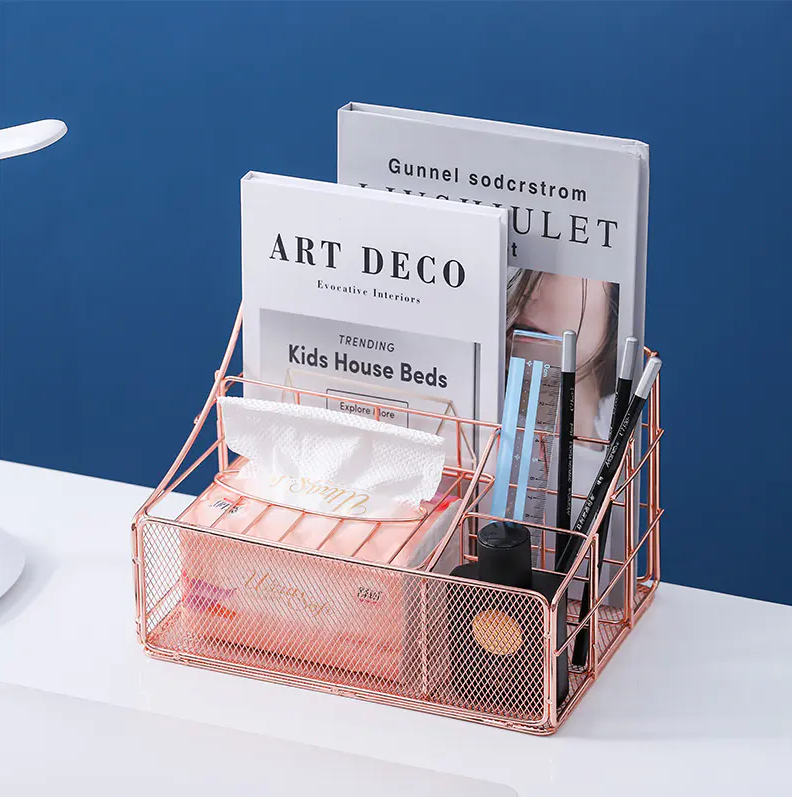
Understand the Main Types of Desk Storage
Each storage type suits a different need and footprint. The table below compares the most common options for small offices:
| Storage Type | Best For | Space Impact | Ideal Placement |
|---|---|---|---|
| Desktop Organizer | Pens, mail, small supplies | Low | Desk corner |
| Desk Hutch | Mixed storage, vertical space | Medium | On top of desk, rear |
| Wall-Mounted Shelves | Books, binders, décor | Zero floor/desk use | Above desk |
| Under-Desk Drawers | Files, stationery, tech | Low (hidden) | Below desk surface |
| Mobile Pedestal / Rolling Cart | Flexible filing needs | Low (movable) | Beside or under desk |
| Filing Cabinet | Documents, legal files | Medium–High | Corner or beside desk |
For most small offices, a combination of a desktop organizer, one wall-mounted shelf, and a mobile pedestal covers the majority of storage needs without consuming floor space.
How to Evaluate Size and Fit
Size mismatches are the most common and expensive mistake when buying desk storage. Follow this simple evaluation process:
Measure Before You Browse
Write down the width, depth, and height of your desk. Then identify the "dead zones" — spaces that are currently unused, such as the area above eye level, the underside of the desk, and the wall beside the desk. Most small offices have at least 12–20 square feet of usable vertical storage space that goes completely unused.
Keep the Desktop Working Surface Intact
As a practical rule, desk storage placed on the surface should occupy no more than 20–25% of your total desk area. For a standard 120cm × 60cm desk, that means keeping organizers and trays within roughly a 30cm × 30cm corner zone. If storage is taking more space than that, shift it off the desk surface entirely.
Check Ergonomic Clearance
Wall shelves and hutch units placed too low create eye strain and visual clutter. A shelf bottom should sit at least 30cm above the desk surface to leave breathing room and avoid blocking your sightline to the monitor.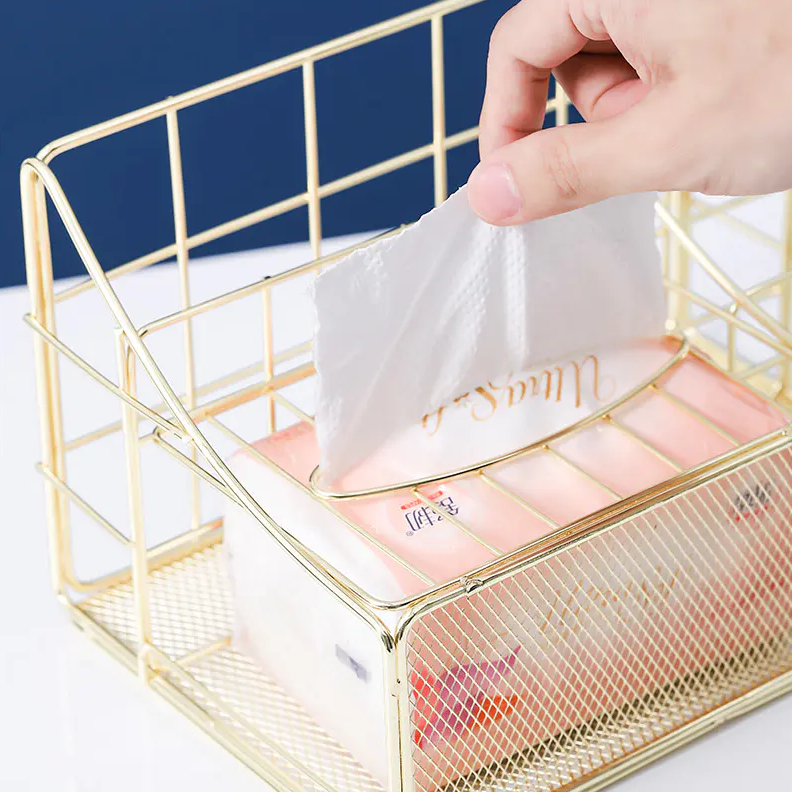
Open vs. Closed Storage: Which Is Better for a Small Office?
This is one of the most debated choices, and the honest answer is: both, in the right proportion.
- Open storage (open shelves, desktop trays, pegboards) keeps frequently used items visible and accessible. It works well when items are tidy and uniform. However, open storage in a small space can feel visually busy if not carefully curated.
- Closed storage (drawers, cabinet doors, boxes with lids) hides clutter instantly and makes a small office feel larger and calmer. It's better for archive files, cables, and miscellaneous items you don't want on display.
A practical guideline: aim for roughly 60% closed storage and 40% open storage in a small office. This keeps daily essentials accessible while preventing visual overload.
Don't Overlook Cable and Tech Storage
In modern small offices, cables are one of the top contributors to desktop clutter. When evaluating desk storage, look for units that include or can be paired with:
- Built-in cable pass-through holes or grommets
- A shallow drawer or tray specifically for chargers, USB hubs, and adapters
- A small cable management box that can sit under the desk or mount to the back panel
Loose cables can visually double the perceived clutter on a desk, even when everything else is organized. Solving cable management as part of your storage plan — not as an afterthought — has an outsized impact on how tidy the workspace looks and feels.
Material and Build Quality Matter More Than Aesthetics
In a small office, every piece of furniture is always in view, so materials do affect the feel of the space. But beyond looks, build quality determines whether a storage unit stays functional or becomes a source of frustration within months.
Wood and Wood-Based Panels
Solid wood and high-density MDF offer a stable, professional look and hold weight well. They suit offices where a warm, finished appearance matters. Be aware that low-density particleboard can sag under heavy binders or books within 12–18 months.
Metal and Steel
Metal filing cabinets and pedestals are extremely durable and typically support heavier loads than comparable wood units. They work well in functional, minimal-aesthetic offices and are often a better long-term investment for filing-heavy workloads.
Bamboo and Sustainable Materials
Bamboo organizers and shelving have grown popular for home offices. Bamboo is lightweight, moisture-resistant, and harder than many hardwoods, making it a practical choice for desktop organizers and small shelf units.
A Step-by-Step Checklist Before You Buy
Use this checklist to evaluate any desk storage option before purchasing:
- Have you measured the exact space where the unit will go?
- Does it address your primary storage category (active, reference, or archive)?
- Will it keep at least 75% of your desk surface free?
- Does it use vertical space rather than consuming floor or desk area?
- Is there a plan for cable management alongside this unit?
- Is the material rated to hold the actual weight you plan to store?
- Does the open-to-closed storage ratio suit the visual feel you want?
- Can the unit be expanded or reconfigured if your needs change?
If you can answer yes to at least six of these eight points, the storage unit is a sound choice for a small office. If fewer than four apply, it's worth reconsidering before committing.
LATEST POST
Let’s create something amazing together
contact usFeatured Products
-
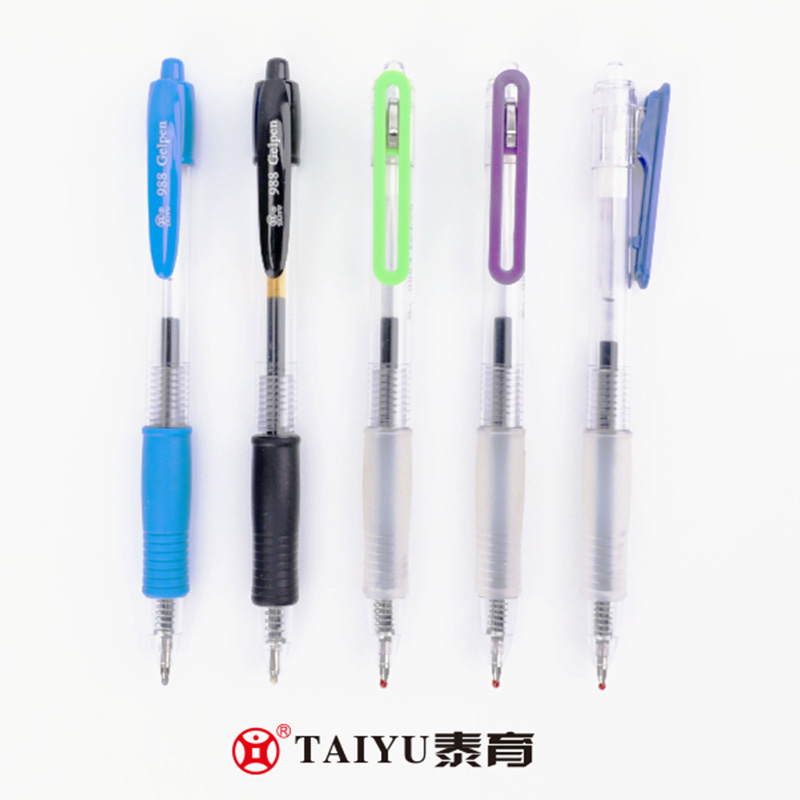
Office Use Gel Pen With Rubber And Flexible Clip Costomized Color Gel Pen 988
-
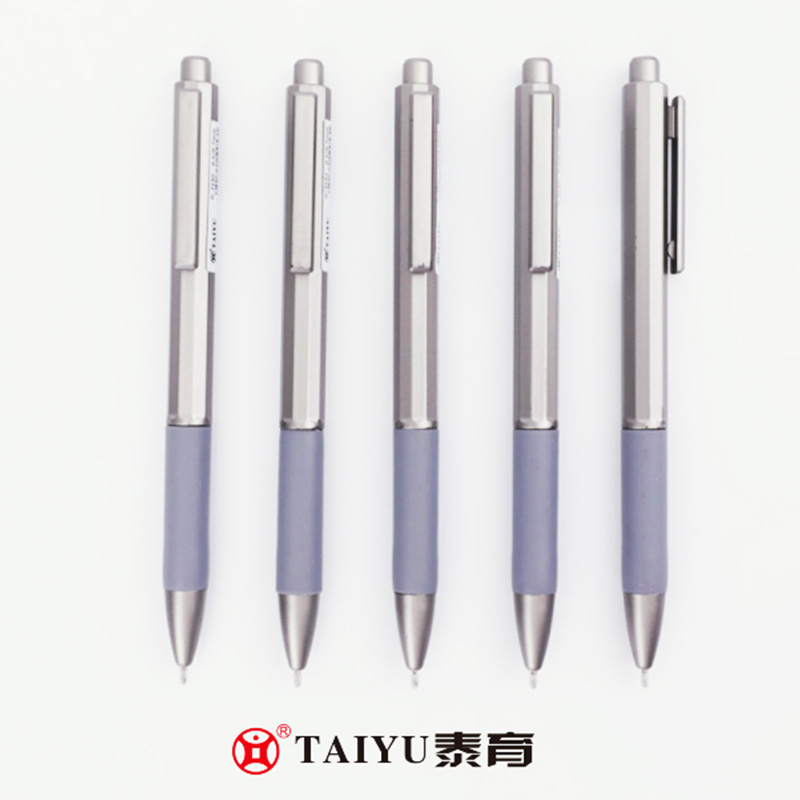
Office Use Gel Pen With Rubber Costomized Color Gel Pen 3192
-
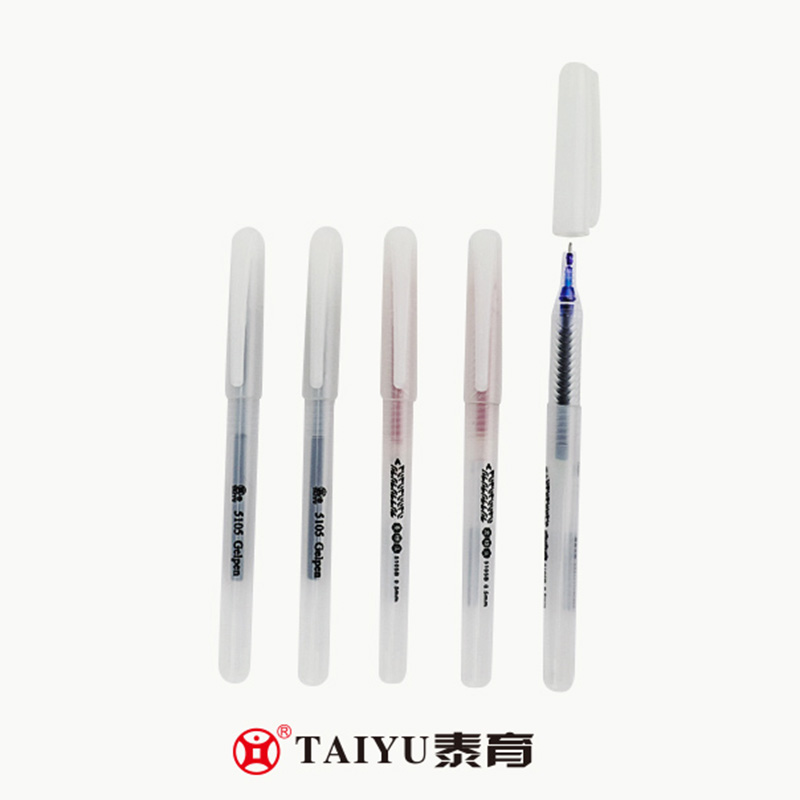
Student Use Gel Pen With Cap Costomized Color Gel Pen 5015
-
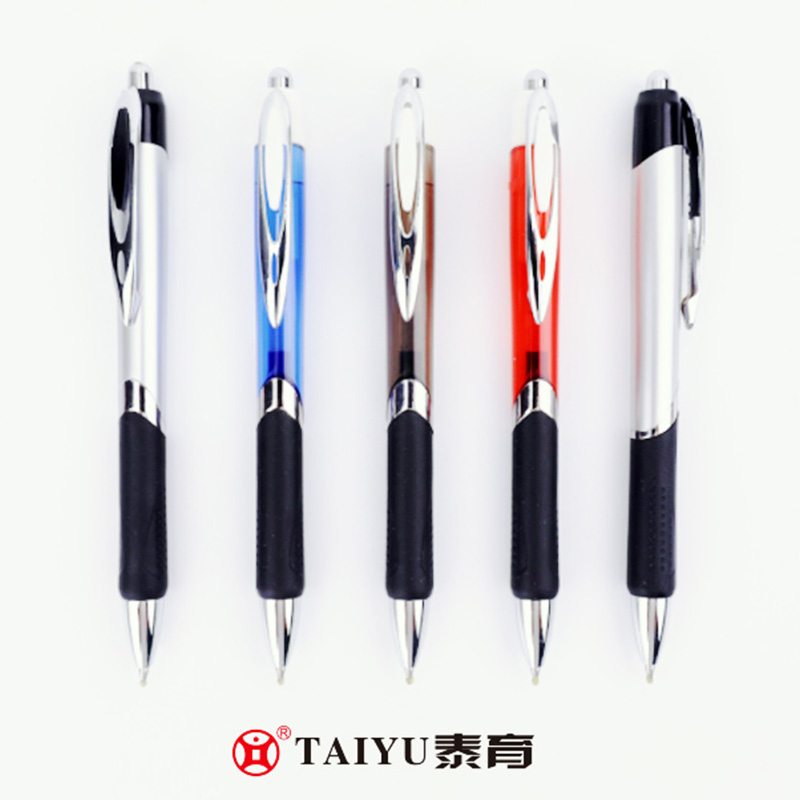
Office Use Gel Pen Designs With Grip And Write Smoothly Gel Pen 3166
-
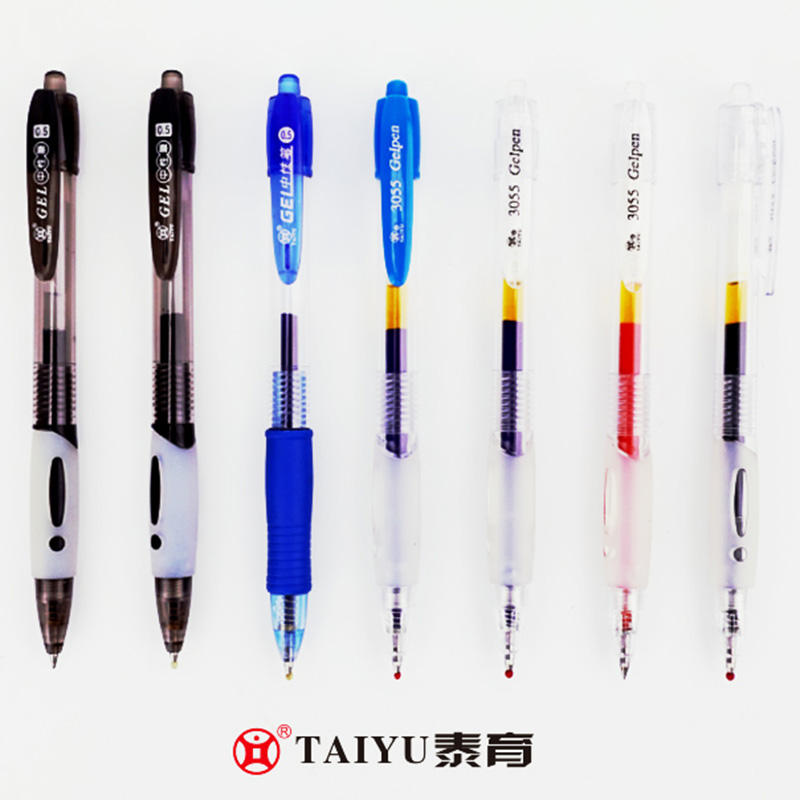
Office Use Pressing Gel Pen Simple Style Costomized Color Gel Pen 3055
-
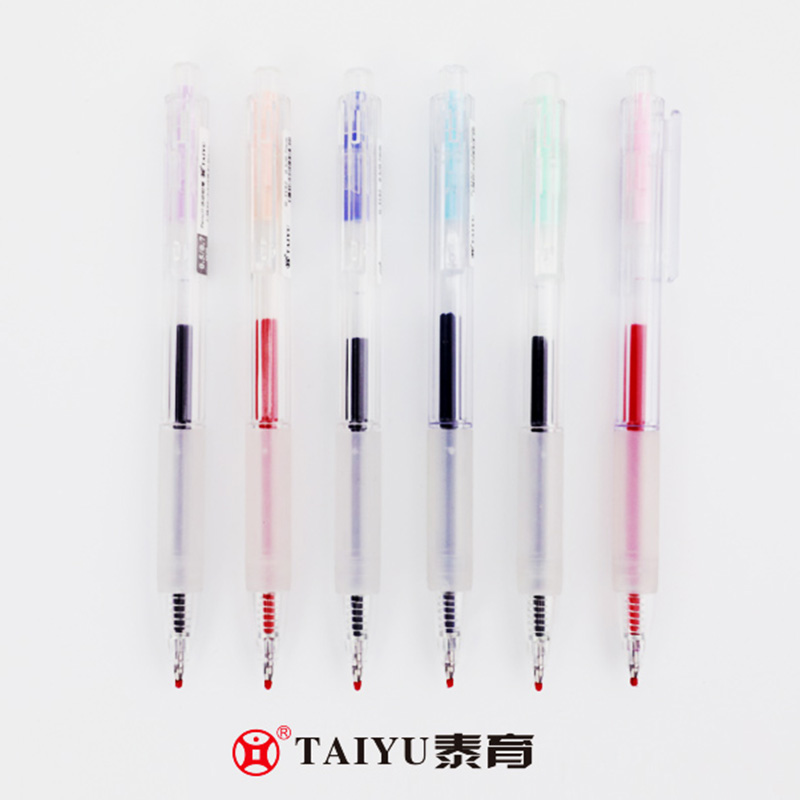
Student Use Gel Pen With Cap With Macaron Color Design Gel Pen 3192
-
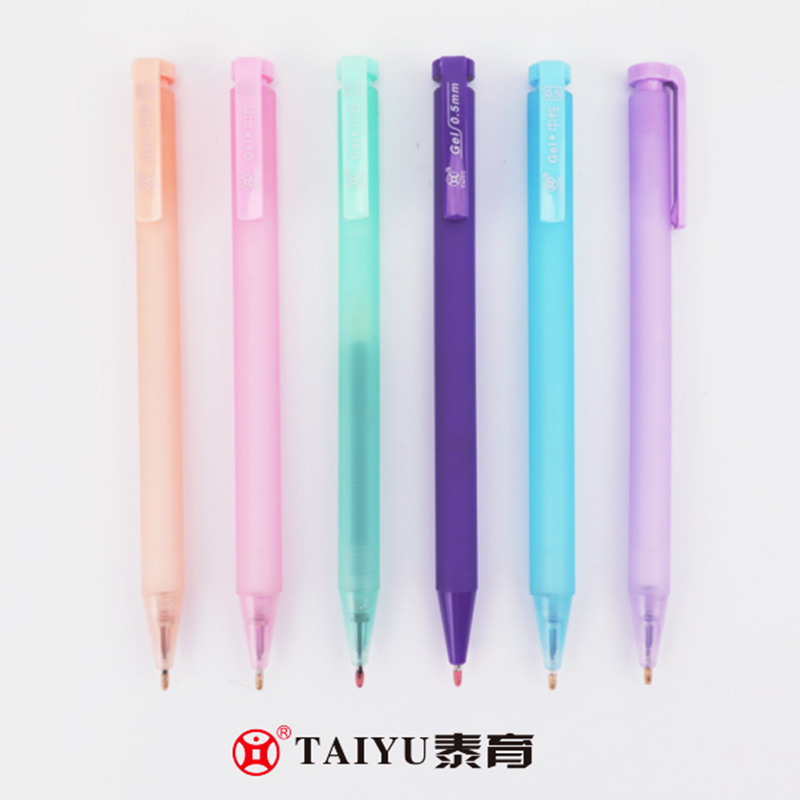
Students Use The Popular New Transparent Matte Designgel Gel Pen 3147A
-
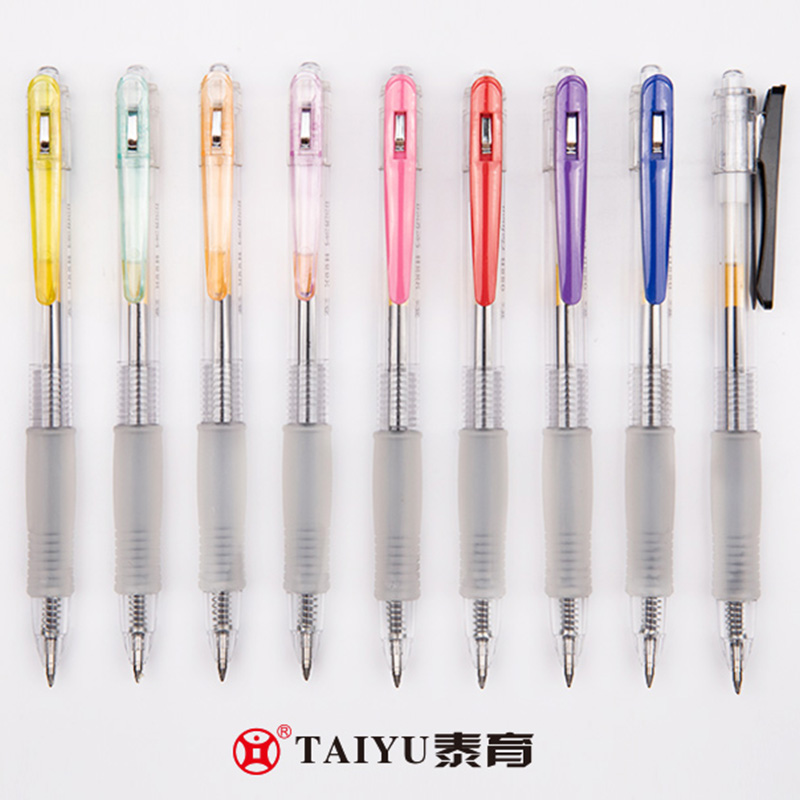
Student Use Pressing Gel Pen With Grip And Pen Holder For Comfortable Writing Gel Pen 988
-
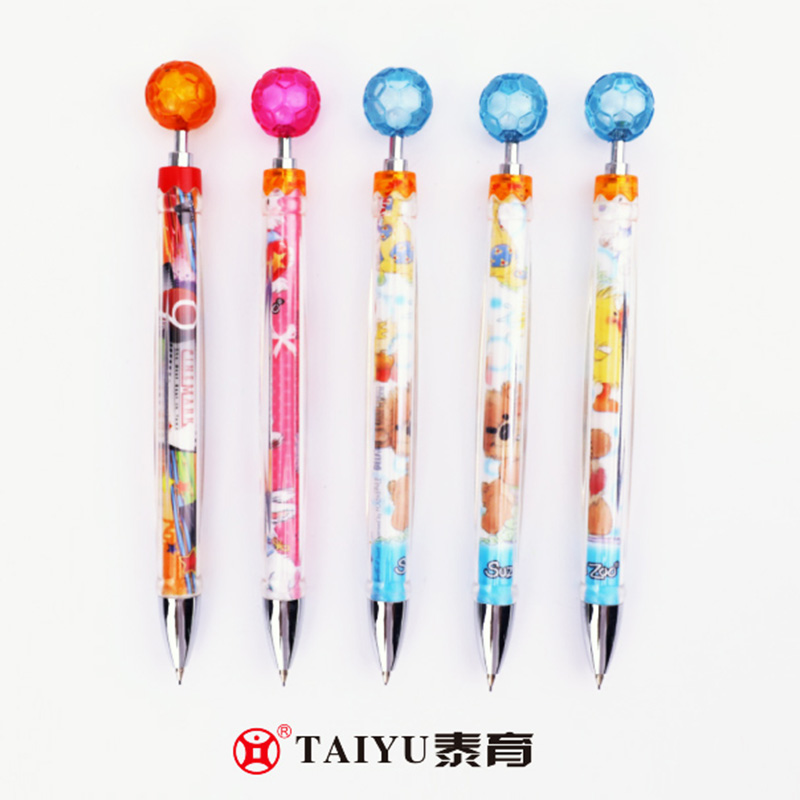
Student Use Mechanical Pencil With Cartoon Design And Colored Acrylic Pressing Head Mechanical Pencil 2140
-
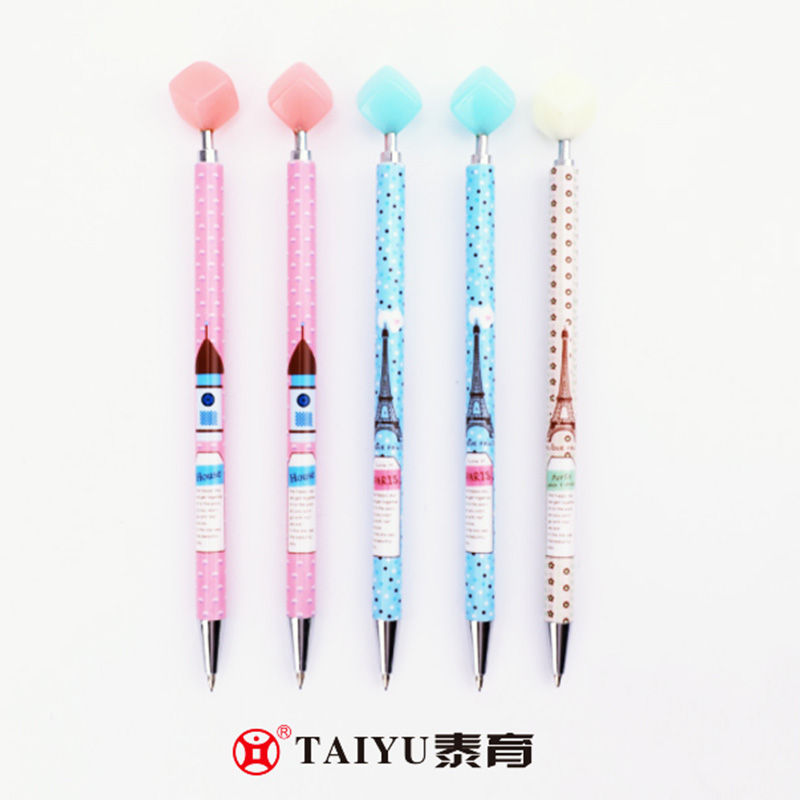
Student Use Mechanical Pencil With Popular And Selling Style Mechanical Pencil 2124
-
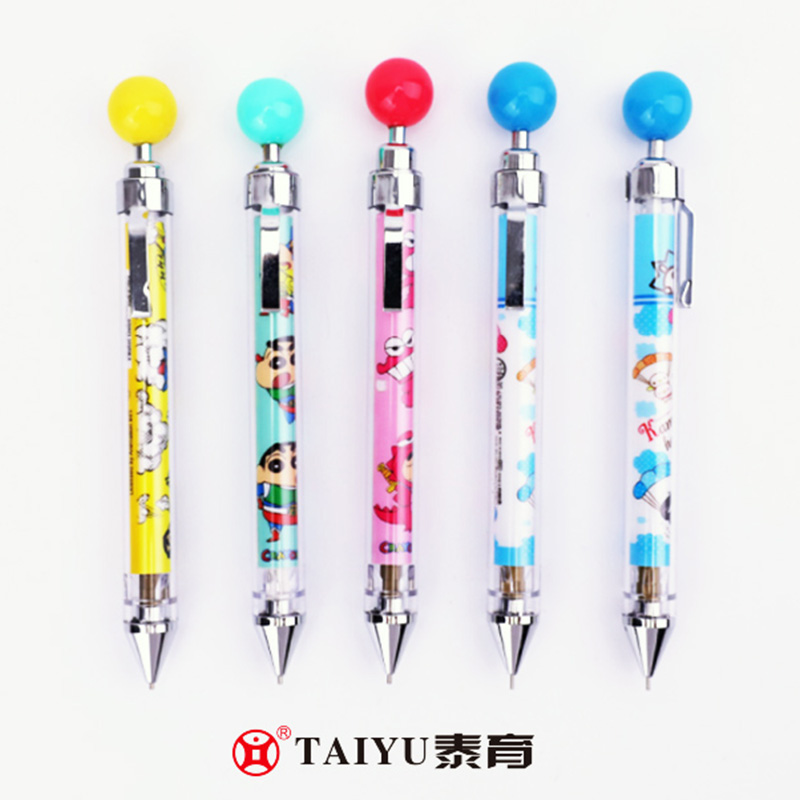
Student Use Mechanical Pencil With Metal Nib And Comfortable Writing Mechanical Pencil 2093
-
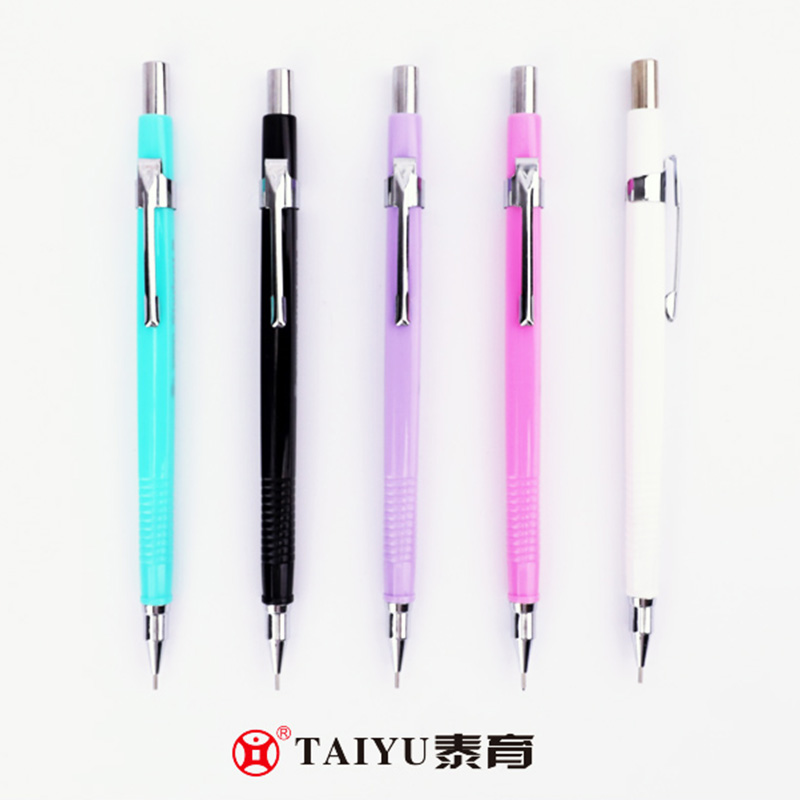
Students Use Mechanical Pencil With Metal Nib Costomized Color Mechanical Pencil 2000D

-
 +86-13056726165 (WeChat / WhatsApp)
-
 [email protected]
-
Hongkong office:RM03,24/F HoKing Comm CTR,2-16 Fayuen St,Mong Kok,HongKong,China
Tel:+852 62195386 Ningbo Factory:Guanhaiwei Industrial West Zone, Cixi, Zhejiang, China Tel:+86-0573-63630076


